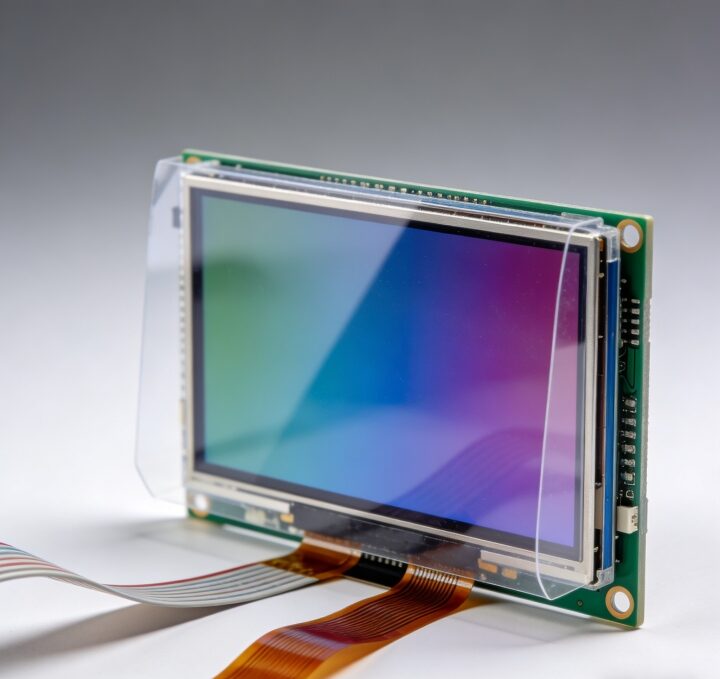


An LCD Module is an integrated display unit that combines a liquid crystal panel with supporting components such as a backlight, driver IC, and often a touch layer. Unlike a bare LCD glass, an LCD Module is engineered to simplify integration into end devices, making it highly popular in consumer electronics, automotive dashboards, industrial equipment, and medical instruments.

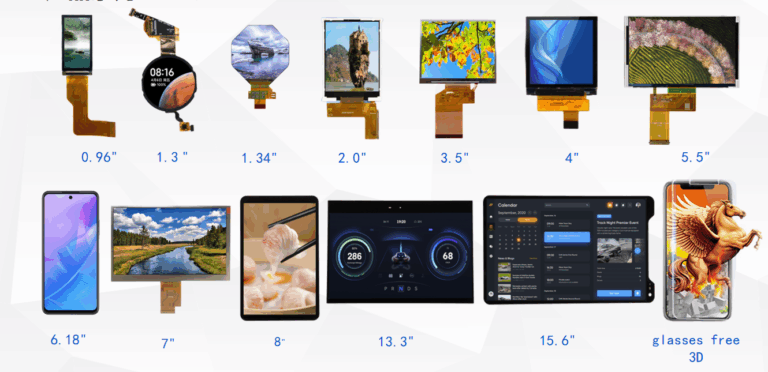
From compact 0.96-inch monochrome displays to large 15.6-inch high-resolution modules, the market offers diverse solutions. Choosing the right LCD Module requires balancing performance, cost, and application-specific requirements.
Key Specifications to Evaluate in an LCD Module
1. Resolution and Pixel Density
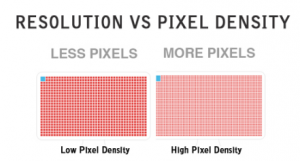
Resolution: Defines the clarity of displayed content. For instance, a 480×800 module is sufficient for handheld devices, while medical monitors often require 1920×1080 or higher.
Pixel Density (PPI): A smartphone module may target 250–400 PPI, ensuring crisp visuals, whereas industrial modules often operate at lower densities to reduce power consumption.
2. Size and Aspect Ratio
Small modules (1–5 inches): Suitable for smartwatches, handheld terminals, and IoT devices.
Medium modules (5–10 inches): Widely used in automotive control panels and smart home devices.
Large modules (10–20 inches): Applied in medical diagnostic screens and industrial HMIs.
Aspect ratios like 16:9, 4:3, or custom cuts influence design ergonomics. Selecting the right format ensures proper integration without image distortion.
3. Brightness and Contrast Ratio
Brightness, measured in nits (cd/m²), is critical for visibility:
Indoor modules: 250–400 nits
Outdoor modules: 800–1500 nits
Sunlight-readable modules: >2000 nits
Contrast ratio, typically 800:1 to 1500:1, enhances readability of complex graphics.
4. Viewing Angle and Technology Type
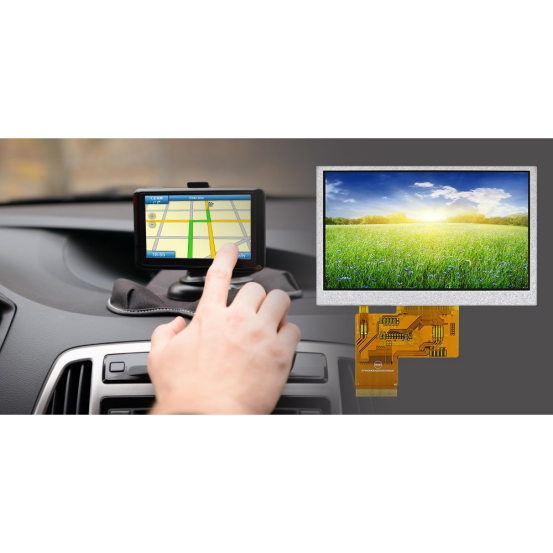
TN LCD Modules: Offer affordability but limited viewing angles (60–70°).
IPS LCD Modules: Provide wide viewing angles up to 178°, crucial for collaborative displays or automotive use.
5. Interface and Connectivity
Modules may support RGB, MIPI DSI, LVDS, or HDMI interfaces. For example, compact IoT devices often rely on MIPI for efficiency, while industrial applications prefer LVDS for stable high-speed transmission.
Environmental and Durability Factors
Operating Temperature Range
For consumer gadgets, 0–50°C is sufficient. Industrial or automotive modules often demand -30°C to +85°C, ensuring stable performance in harsh conditions.
Mechanical Durability
Touch panels with Gorilla Glass enhance resistance against scratches.
Modules with IP65+ ratings protect against dust and water exposure.
Lifetime Considerations
Backlight lifetime is measured in hours. A module with 50,000-hour backlight life ensures durability for long-term industrial usage.
Choosing the Right LCD Module by Application
Consumer Electronics
In the field of consumer electronics, LCD Modules are widely used in smartphones, tablets, and wearable devices, where users expect vivid displays, smooth touch interaction, and compact form factors. A good example is a 6.58-inch module with 1080×2408 resolution, which delivers a balance of sharp image quality and portability. Beyond resolution, these devices also demand slim bezels, energy-efficient backlights to extend battery life, and durable surface treatments that resist scratches during daily use. For wearables in particular, modules must combine high pixel density with excellent outdoor readability, as devices are often exposed to direct sunlight.
Automotive Displays
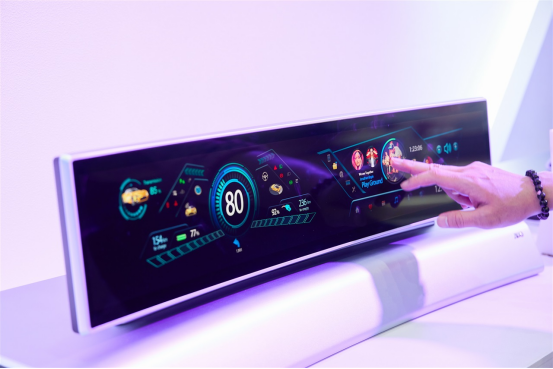
In automotive applications, LCD Modules face a more demanding environment. Instrument clusters need to maintain accurate visibility under rapid temperature changes, often ranging from -30°C to +85°C, and anti-glare coatings are essential to prevent reflections on bright days. Central infotainment systems and control units usually adopt 8–12-inch displays with brightness levels above 1000 nits, ensuring clear readability even under direct sunlight. These modules are also engineered with wide viewing angles so both drivers and passengers can see critical information, and many include touch interfaces optimized for gloved hands. In addition, automotive-grade LCD Modules must pass strict vibration and reliability tests, making durability just as important as visual performance.
Medical Devices
Require high-resolution IPS modules for diagnostic precision. Modules must comply with ISO 13485 standards and often feature touchless operation or glove-friendly touch input.
Industrial Equipment
Rugged LCD Modules with anti-shock design and -30 to +85°C range are essential. Interfaces like LVDS or HDMI allow stable operation in noisy electromagnetic environments.
Future Trends in LCD Modules
Integration with Touch and Sensors
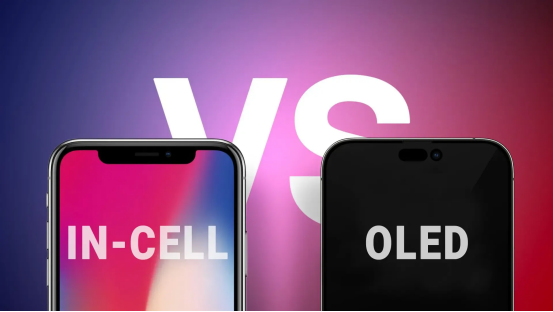
The demand for in-cell touch LCD Modules is rising, reducing thickness and simplifying device assembly.
Low Power Consumption Designs
Manufacturers now develop modules with adaptive brightness control and optimized backlights to cut power usage by 20–30%, critical for portable devices.
Higher Refresh Rates
While 60Hz remains standard, 120Hz LCD Modules are entering gaming and professional applications, improving motion clarity.
Flexible and Transparent LCD Modules
Emerging designs include transparent displays for retail applications and bendable modules for innovative device form factors.

Checklist Before Buying an LCD Module
1.Define target application and environment.
2.Match resolution and size with usability needs.
3.Check brightness and contrast for intended usage.
4.Verify interface compatibility with the mainboard.
5.Evaluate durability factors: temperature, lifespan, and protection level.
6.Consider supplier reliability and certifications (ISO9001, IATF16949, RoHS).
Conclusion
Selecting the right LCD Module is not only about display quality but also long-term reliability, environmental adaptability, and compatibility with your system. By carefully reviewing parameters such as resolution, brightness, interface, and durability, buyers can secure a module that balances performance and cost. As innovations like transparent displays and low-power modules evolve, LCD technology remains a cornerstone of modern electronic design. At Easy Quick, we specialize in providing customized LCD Module solutions, from compact displays for wearables to large-format modules for industrial and automotive applications. With advanced manufacturing facilities, strict quality control, and certifications such as ISO9001 and IATF16949, we are committed to delivering reliable display solutions that help our partners bring innovative products to market faster and with greater confidence.
Contact us today to explore how our LCD Module expertise can support your next project.