
When shopping for smartphones, tablets, smartwatches, or other consumer electronics, the display type often plays a major role in decision-making. TFT LCD and AMOLED are the two most common technologies, each with its own advantages. Choosing between them depends on how the device will be used, the budget, and what you value most—durability, battery life, or visual quality.
Understanding TFT LCD – Features and Applications
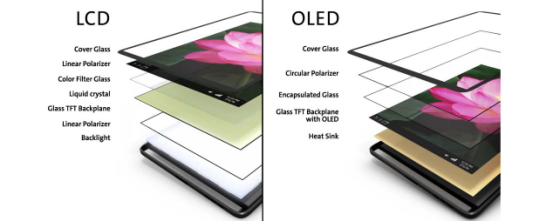
TFT LCD, or Thin-Film Transistor Liquid Crystal Display, works by using liquid crystal molecules controlled by tiny transistors. These molecules adjust the passage of light from a backlight to form images on the screen.
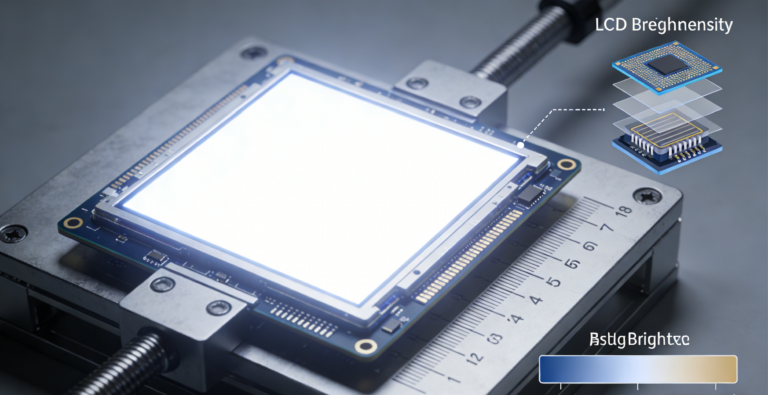
TFT LCD is often more affordable, making it popular in mid-range and budget devices. It’s also durable, with panels that can last over 50,000 hours without significant degradation. High-brightness designs allow peak outputs above 1,000 nits, which makes these screens readable even under direct sunlight—a reason why many handheld industrial devices and smart home panels still use TFT LCD.
The trade-off is that TFT LCDs rely on backlighting, so blacks aren’t truly deep and contrast ratios are around 1,000:1, lower than AMOLED. Viewing angles are also narrower, which can affect color uniformity at the edges.
Exploring AMOLED – Features and Applications
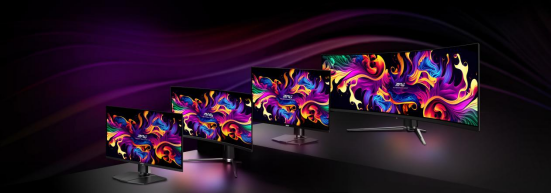
AMOLED, or Active Matrix Organic Light-Emitting Diode, uses organic compounds that emit light when powered. Each pixel can illuminate individually, meaning blacks are truly black and contrast is extremely high—often exceeding 1,000,000:1.
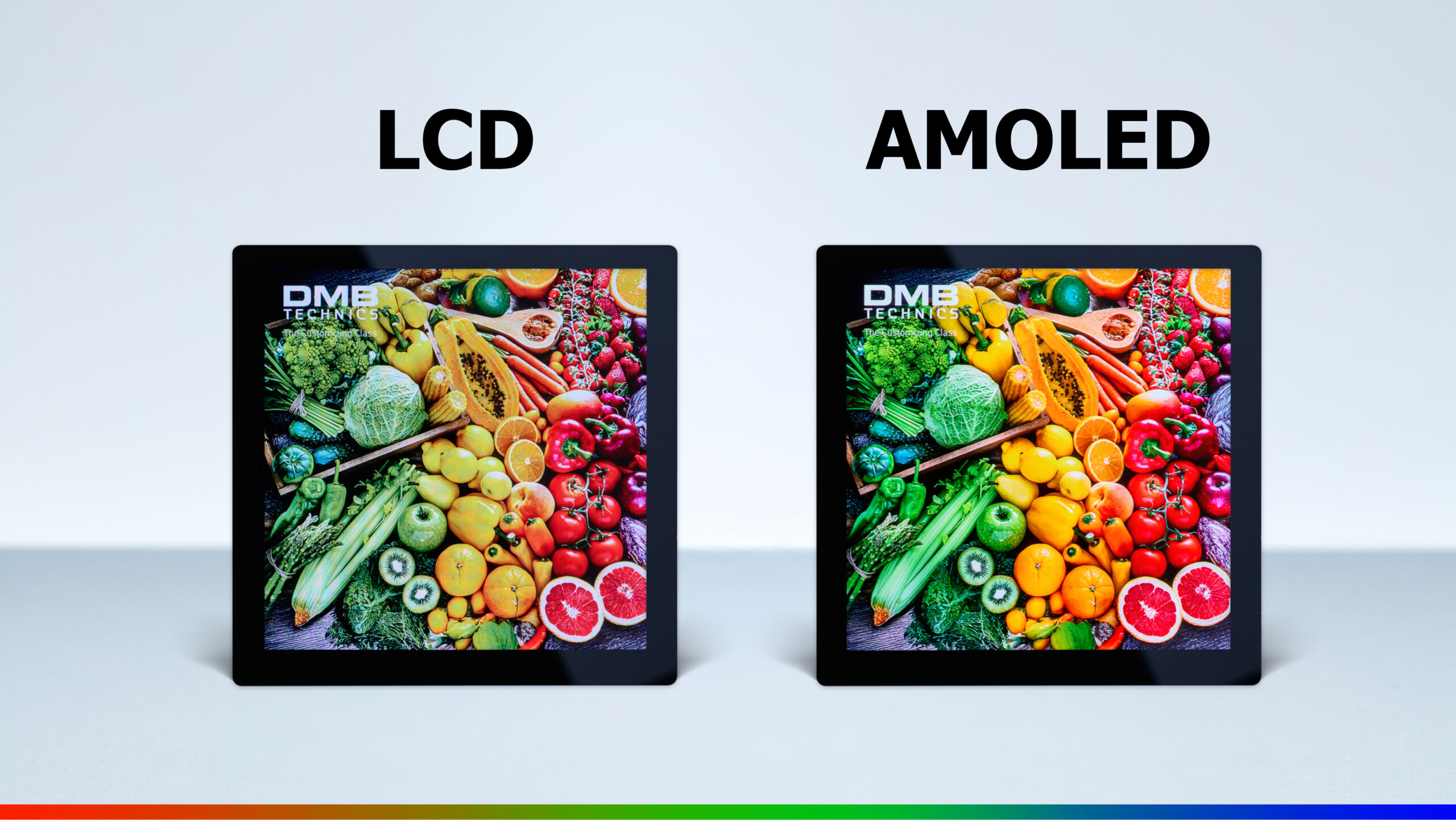
AMOLED offers vibrant colors, sometimes covering over 100% of the DCI-P3 color gamut, which makes videos, games, and photos look especially vivid. Without a backlight, AMOLED screens are thinner and can even be used in foldable devices.
However, AMOLED can experience burn-in if static images are displayed for long periods, and the panels are generally more expensive. Outdoor visibility, while improving, can still be lower than some high-brightness TFT LCDs.
TFT LCD vs. AMOLED – What Consumers Should Know
1. Durability and Lifespan
One of the biggest advantages of TFT LCD is its long lifespan and stability. These panels can operate reliably for many years without significant degradation, making them ideal for applications where durability matters.
AMOLED, on the other hand, tends to face pixel aging over time. With prolonged use, certain pixels may degrade unevenly, leading to issues such as color shift or screen burn-in. This makes AMOLED less suitable for long-term static content.
2. Color and Visual Experience
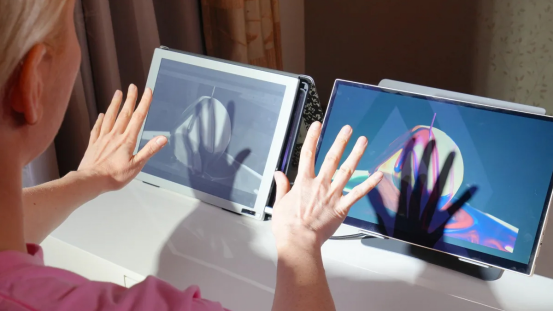
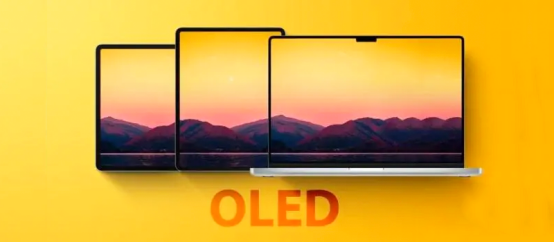
If you’re after vibrant colors, deep blacks, and high contrast, AMOLED clearly leads the way. Its ability to turn off individual pixels allows for striking visuals, which is why it’s popular in smartphones, gaming devices, and high-end design applications.
TFT LCD still offers good color accuracy and stable image performance, but it generally cannot match the wide color gamut and dramatic contrasts of AMOLED.
3. Power Consumption
Power efficiency is a mixed bag:
TFT LCD uses a constant backlight, so its power consumption is steady regardless of content.
AMOLED can save energy on dark-mode interfaces, since black pixels are literally turned off. However, when displaying bright, white-heavy content (like documents or web browsing), it may consume even more power than LCD.
4. Thickness and Design Flexibility
AMOLED panels are thinner and more flexible, which gives product designers more freedom to create sleek, lightweight, or even curved displays.
TFT LCD modules are comparatively thicker, but this makes them robust and durable, suitable for industrial and outdoor environments.
LCD vs AMOLED – Consumer Display Selection Guide
| Product / Scenario | Recommended Display | Key Considerations |
| Smartphones & Tablets | AMOLED for high-end, TFT LCD for budget/mid-range | AMOLED for vibrant colors and deep blacks; LCD for brightness and cost-efficiency |
| Smartwatches & Wearables | AMOLED for fashion/fitness, TFT LCD for outdoor durability | AMOLED for always-on displays; LCD for sunlight readability and longevity |
| Translation Pens & Educational Devices | TFT LCD | Small screens, cost-sensitive, readable and stable over long periods |
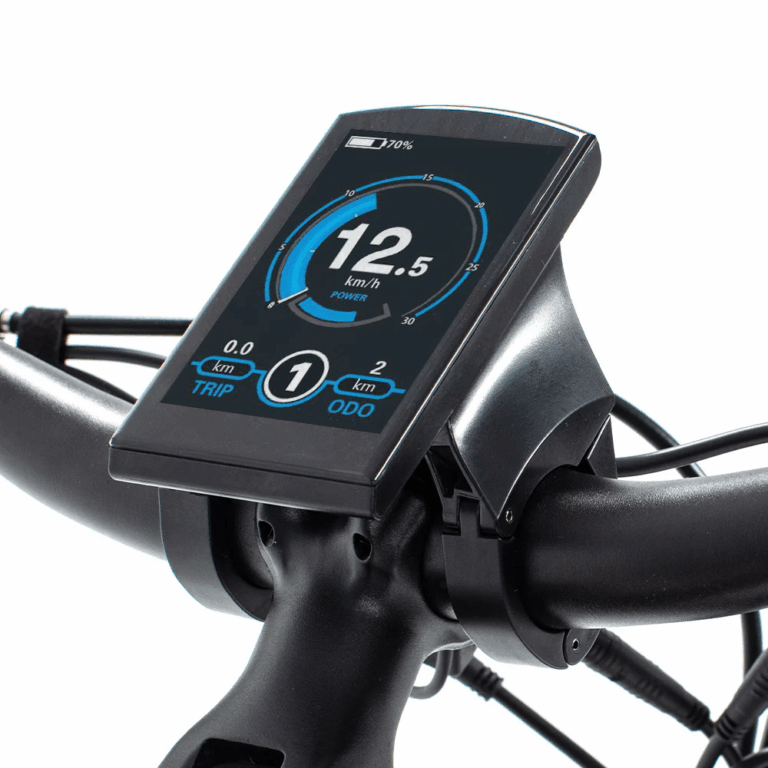
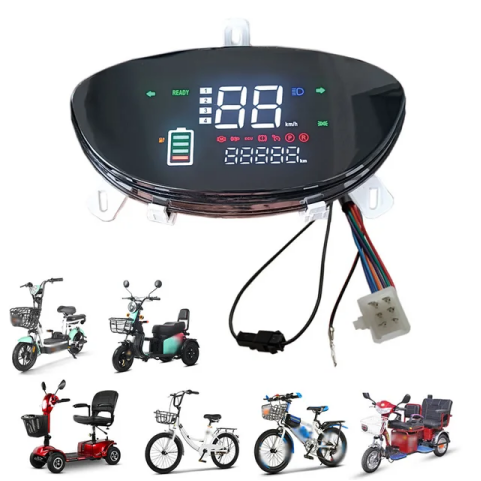
| E-bike / Automotive Instrument Panels | TFT LCD | High brightness for sunlight, reliability, long-term stability |
| Portable Gaming / Entertainment Devices | AMOLED for immersive visuals, TFT LCD for cost-sensitive models | AMOLED for rich color and high refresh rates; LCD for battery life and price balance |
This guide helps consumers weigh the pros and cons of each technology based on specific product use.
How to Choose Between Them?
Budget, usage environment, and visual preference are the main factors. If cost and durability are priorities, TFT LCD is ideal. For immersive media experiences, slim design, and deep blacks, AMOLED is the better choice.
Companies like Shenzhen Easy-Quick provide both TFT LCD and AMOLED modules, ranging from 0.96 to 15.6 inches, with custom touch integration, PCBA options, and software compatibility to optimize performance for specific consumer and industrial applications.
Conclusion
There is no universal answer to whether TFT LCD is better than AMOLED. It depends on your device, usage habits, and priorities. TFT LCD offers cost efficiency, durability, and sunlight readability, while AMOLED shines in color vibrancy and design flexibility. By understanding the differences and consulting guides like this, consumers can make informed choices that best suit their needs. Shenzhen Easy-Quick ensures that whichever display is selected, it meets both technical and user experience requirements.