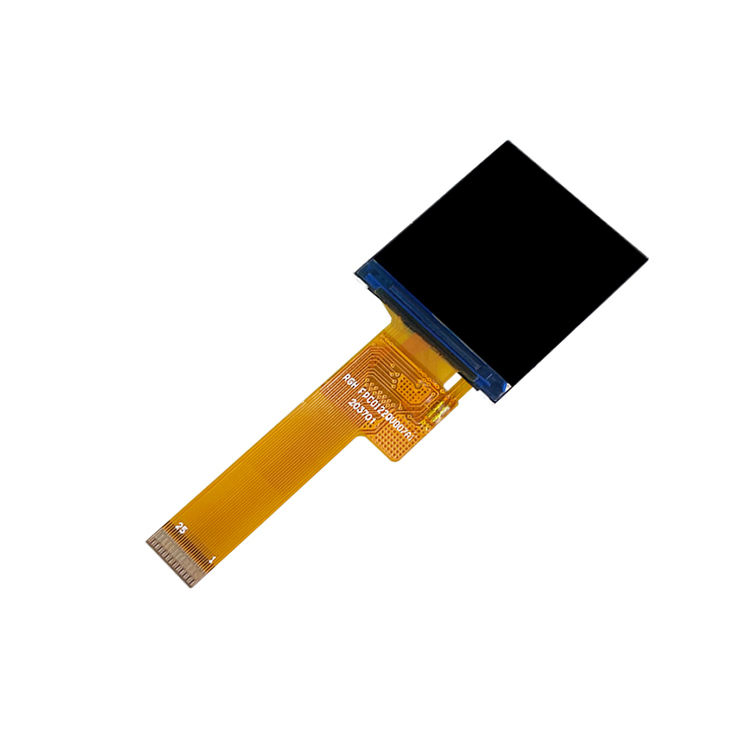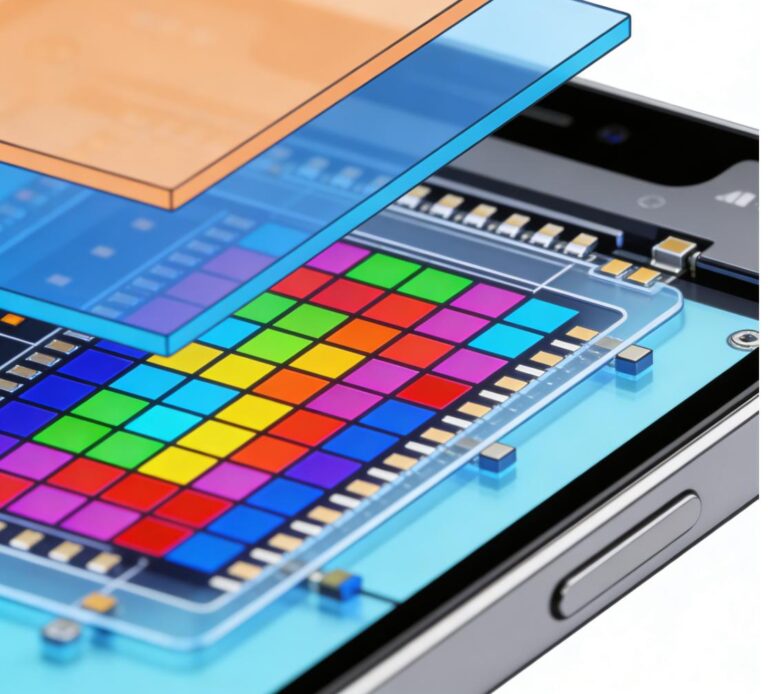

The LCD module is a crucial element of modern electronics, such as smartphones, industrial screens, and automotive systems. Brightness is a key factor that determines how clearly users can view content, particularly in bright environments or outdoor settings. Low brightness of the display in the TFT LCD module can cause eye strain, visibility issues, and make the functionality of the device problematic. Hence, knowledge of techniques to enhance the brightness of the LCD is highly significant.
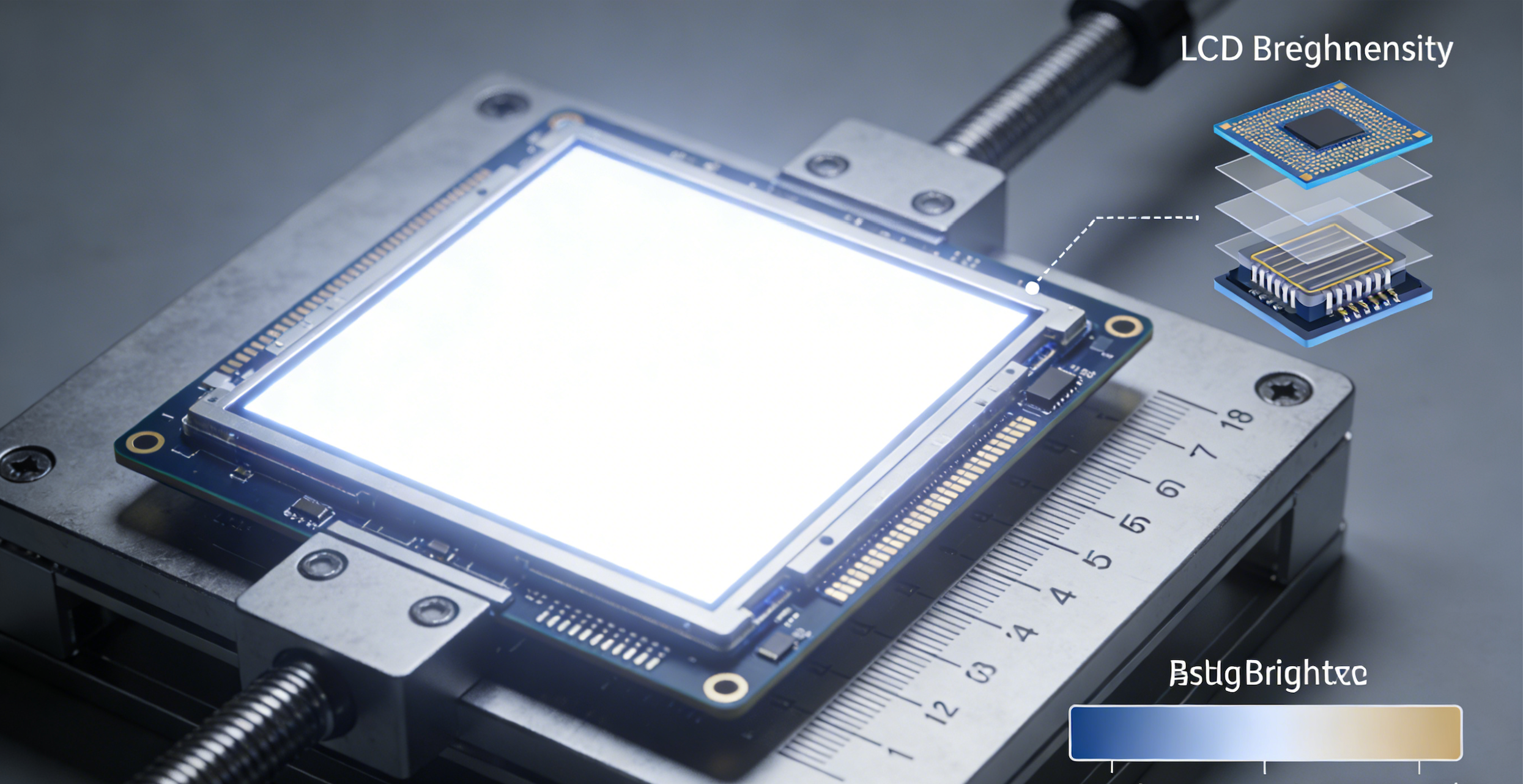
1. Backlight Structure in TFT LCD Module
The backlight system is the main brilliance control element of the TFT LCD module because it illuminates the liquid crystal to make the image visible. Typical backlight structures include:
- Edge- lit backlights: In this technology, LEDs are placed along the edges of the display, and the light is guided through the display by light guides. Indeed, though this technology is energy-effective, achieving the brightest possible illumination might be delicate.
- Direct- lit backlights:LEDs are spread slightly across the reverse of the screen to increase brilliance and uniformity, especially when used in larger panels.
- Original dimming backlights: Original darkening areas are used in ultramodern TFT LCDs to enhance brilliance without necessarily using lesser backlight power.
Knowledge of these configurations is pivotal in making the right choice of backlighting, depending on the design
2. Backlight Optimization—The Core of Increasing LCD Module Brightness
- Can Increasing LED Output Raise Display Brightness?
Each LED in a TFT LCD backlight has a maximum luminance value. It is possible to increase the driving current to enhance the brightness; however, this should be done in a controlled manner to avoid heating problems in LEDs, which can affect their lifetimes. It is essential to optimize the driving current for LEDs to improve their brightness and ensure LCD module stability.
- How Do LED Quantity and Arrangement Affect Brightness?
Brightness can be enhanced either by increasing the number of LEDs or by arranging the LEDs differently in the panel. Ineffective and unbalanced arrangement of LEDs may result in a black spot, corner dimming, or a poor display image.
- Why Is Backlight Driver Capability Critical?
The backlight driver controls the voltage and current levels supplied to the LEDs. Good quality drivers ensure brightness with no flickering. Better quality drivers allow more precise brightness adjustment, making the TFT LCD module function at optimal brightness levels.
- Can Optical Design Improve Brightness Without Additional LEDs?
Yes. The perceived brightness can be improved by optimizing the optical system of the backlight, such as light guide plates, diffuser films, and prism films. These are responsible for light distribution within the liquid crystal layer.
3. Thermal Design for High-Brightness Backlights
Higher brightness in LEDs translates to a significant amount of heat generation. Such heat can impact the stability of a TFT LCD module. Proper heat dissipation techniques are required in this case. The use of heat sinks, thermal materials, and ventilation systems helps in sustaining the efficiency of LEDs as well as in preventing a reduction in brightness.
4. Backlight Optimization: Frequently Asked Questions
- Increasing Brightness, will it damage the TFT LCD Module?
Yes. High current or heat may damage the LED or the liquid crystal layer. The operation within the specifications is required.
- Is Uniform Brightness Possible Across Large Displays?
Homogeneous brightness can be attained through techniques like proper LED placement, optical films, or local dimming. There can be dimming along the edge-lit displays compared to the center regions.
- How Can Software Adjustments Help Brightness?
For contemporary TFT-LCD panels, brightness can be adjusted through software methods involving backlight brightness, gamma, or pixel drive, which can increase brightness levels without necessarily increasing the brightness of LEDs.
5. Additional Supportive Factors that influenced LCD Brightness in TFT LCD Module
- LCD Panel Transmittance
The light- transmitting effectiveness of the liquid demitasse subcaste directly impacts brilliance. Panels with advanced transmittance allow further light from the backlight to pass through, perfecting overall luminance. Thin liquid demitasse layers and high- quality polarizers are critical factors.
- Touch Panel and Cover Glass Structure
Fresh layers similar as touch detectors or defensive glass can absorb light, reducing perceived brilliance. Choosing high- transmittance accoutrements andanti-reflective coatings minimizes brilliance loss.
- System-Level and Software Optimization
Software and firmware optimizations can control backlight dimming, enhance gamma response, and improve contrast. Adaptive brightness features adjust LED intensity based on ambient lighting, ensuring visibility while conserving power.
6. Applications of High-Brightness LCD Modules
High- brilliance LCD Modules are extensively used in outdoor displays and signage Where sun readability is essential.
- Automotive dashboards are icing clear visibility under bright conditions.
- Artificial outfit Where drivers need dependable and clear displays in varying lighting.
- Medical observers are furnishing precise image clarity under different lighting conditions.
Optimized brilliance ensures both functional trustworthiness and stoner comfort in demanding surroundings.
7. Why Choose Easy Quick Easy for Your LCD Module?
Choosing the right mate is pivotal when optimizing the brilliance and performance of your TFT LCD Module. Easy Quick is further than an LCD supplier, a manufacturer, and a result provider, immolation integrated touch and intelligent display results. Our strengths include:
- Core Technologies and Products – Provides dependable TFT LCDmodules with excellent luminance, uniformity, and effectiveness.
- Outstanding Manufacturing Capabilities – Guarantees harmonious, high- quality product at scale.
By choosing Easy Quick, you gain not only high- quality LCD Modules but also complete results that enhance your product value and insure optimal display performance.
Conclusion
Adding the brilliance of a TFT LCD Module requires a combination of tackle and software results, including backlight optimization, LED arrangement, thermal operation, and optical advancements. Supporting factors similar to panel transmittance, touch layers, and software control further contribute to the effective luminance of the display. By precisely considering these factors, masterminds can achieve high-brilliance, energy-effective, and dependable LCD modules suitable for a wide range of operations. Partnering with Easy Quick ensures that your TFT LCD Module achieves optimal brightness and performance through integrated backlight, LED, and display solutions.