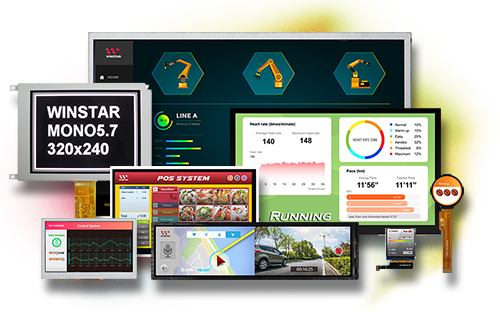

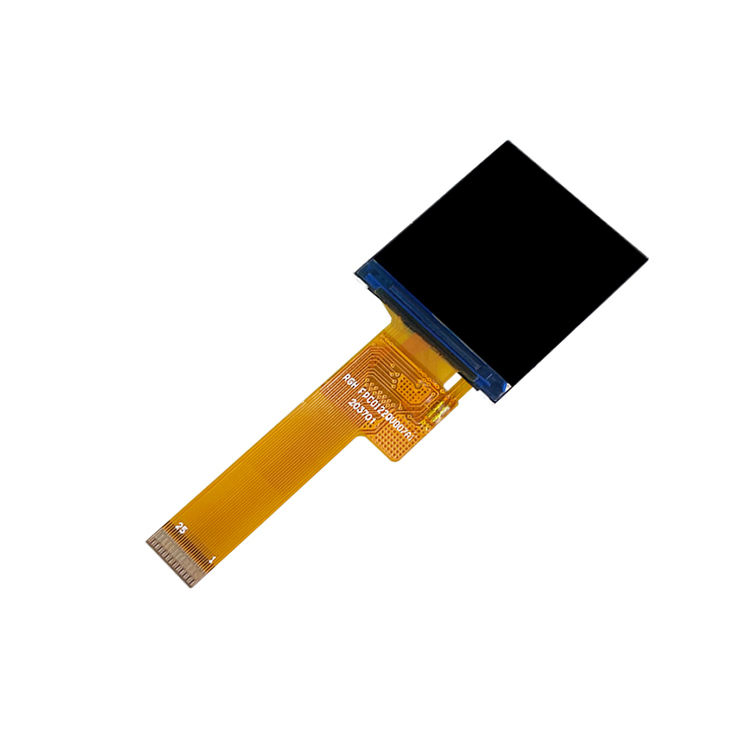
If you’ve ever switched on a smart device and been greeted by a clear, colorful display — chances are, you were looking at an LCM module. From fitness trackers to automotive dashboards and industrial panels, Liquid Crystal Display Modules (LCMs) quietly power the screens we rely on every day.
But what exactly is an LCM, and why is it so essential in modern electronics?
1. What Exactly is a Liquid Crystal Display Module (LCM)?
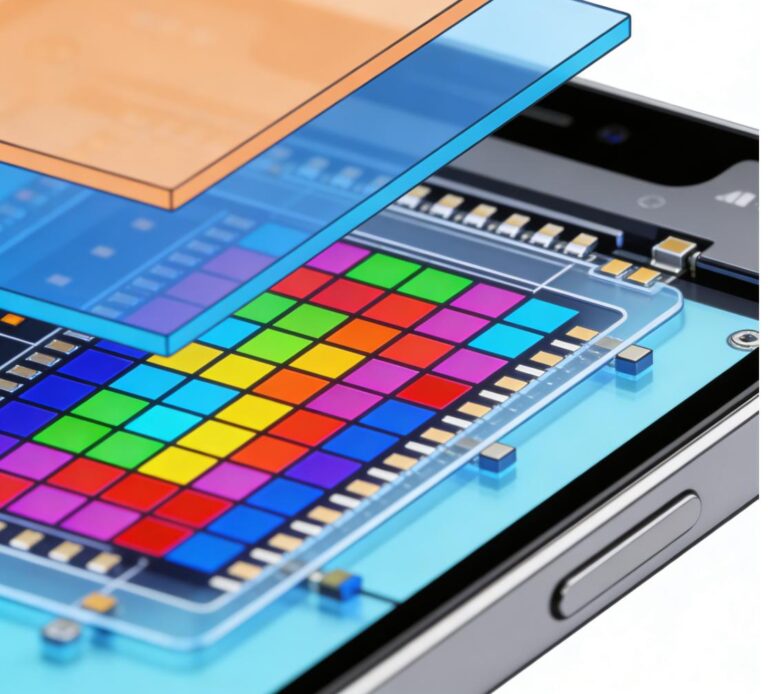
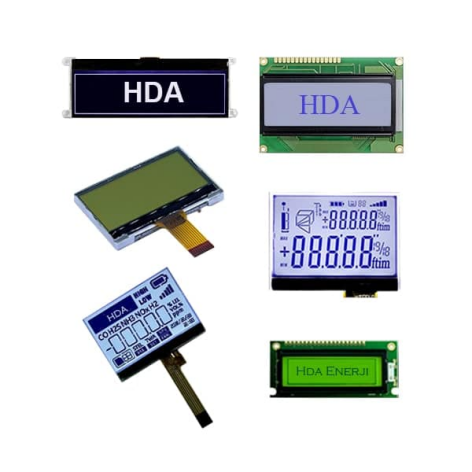
An LCM module is more than just a display — it’s a complete visual solution that integrates multiple components into one reliable unit:
LCD panel – where the images are formed.
Driver IC – the electronic “brain” that controls each pixel.
Backlight – typically a white LED system for brightness and visibility.
Circuit board and connectors – ensuring smooth communication with your device.
For manufacturers, using an LCM means shorter development cycles and stable, consistent performance — no need to redesign from scratch.
2. How Does an LCM Work?
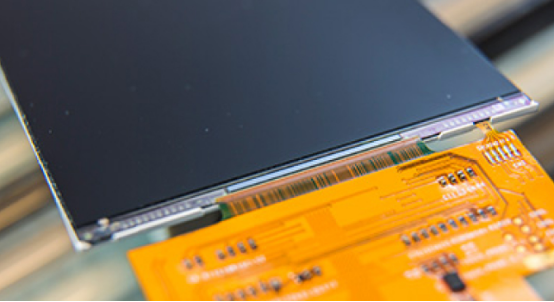
The core of an LCM is the liquid crystal layer, a material that changes how it interacts with light when voltage is applied.
1.The backlight emits white light.
2.Light passes through polarizing filters and liquid crystal molecules.
3.Pixel voltages determine brightness and color through RGB filters.
Modern TFT-LCD modules can achieve refresh speeds under 10 milliseconds and contrast ratios as high as 1500:1, delivering sharp, fast, and lifelike images.
3. Main Types of Liquid Crystal Display Modules
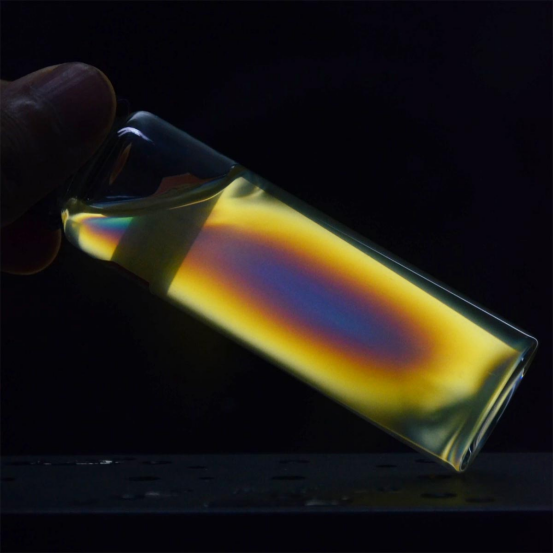
Character LCM
For displaying simple text like meters and instruments (e.g. 16×2, 20×4).
Graphic LCM
For basic images and icons (e.g. 128×64 pixels).
TFT LCM
For full-color, high-resolution visuals — common in smart home panels, EV dashboards, and tablets.
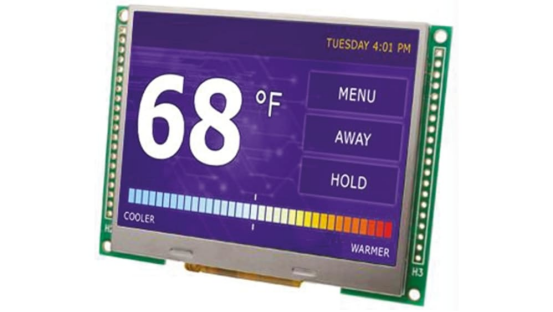
Touch LCM
Integrated with capacitive or resistive touch for smooth, intuitive control.
4. Applications of Liquid Crystal Display Module
LCMs are the visual core of countless devices:
Consumer Electronics
Used in smartphones, smartwatches, and wearables — low power consumption (2.5–3W) ensures longer battery life.
Automotive Displays
High-brightness TFT LCMs (up to 1000 nits) guarantee visibility even under sunlight.
Industrial & Medical Equipment
Durable modules withstand temperatures from −30°C to +85°C, ideal for automation and medical devices.
IoT and Smart Home
Compact LCMs (2.4–7 inches) bring intuitive control to smart thermostats, home panels, and security systems.
5. Choosing the Right LCM: What to Look For
Key specifications include:
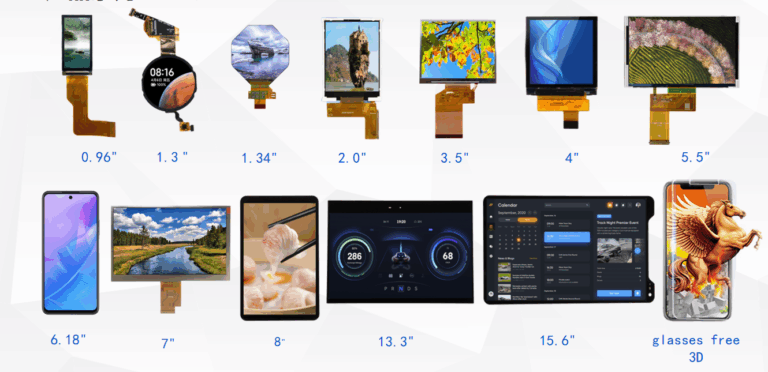
Display size: 0.96–15.6 inches
Resolution: 240×240 to 1920×1080
Brightness: 250–1500 cd/m²
Viewing angle: up to 178° (IPS technology)
Interface: MCU, RGB, MIPI, or LVDS
Operating temperature: −20°C to +70°C (standard)
These metrics ensure the display fits both your design goals and end-user environment.
6. The Future of LCM Technology
As devices become smarter, thinner, and more energy-efficient, LCMs are evolving:
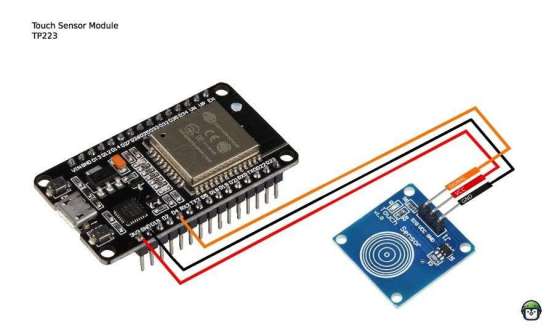
Integration of touch and sensors for seamless control
Higher resolution and improved contrast
Flexible and ultra-thin form factors
The market for Liquid Crystal Display Modules is projected to exceed USD 60 billion by 2028, driven by demand in electric vehicles, IoT, and medical devices.
7. Conclusion: Bringing Every Vision to Life
Behind every great device experience is a great display — and that display is often an LCM module. It connects people with technology through clarity, precision, and design.
If you’re developing smart devices, automotive systems, or industrial equipment, choosing the right Liquid Crystal Display Module can define how users interact with your brand.
At Easy Quick, we design and manufacture a wide range of high-quality LCM solutions — from IPS modules for smart terminals to TFT panels for home control systems — helping global partners deliver better visual experiences.
👉 Let’s discuss your next display project today — together, we can bring your ideas to life.