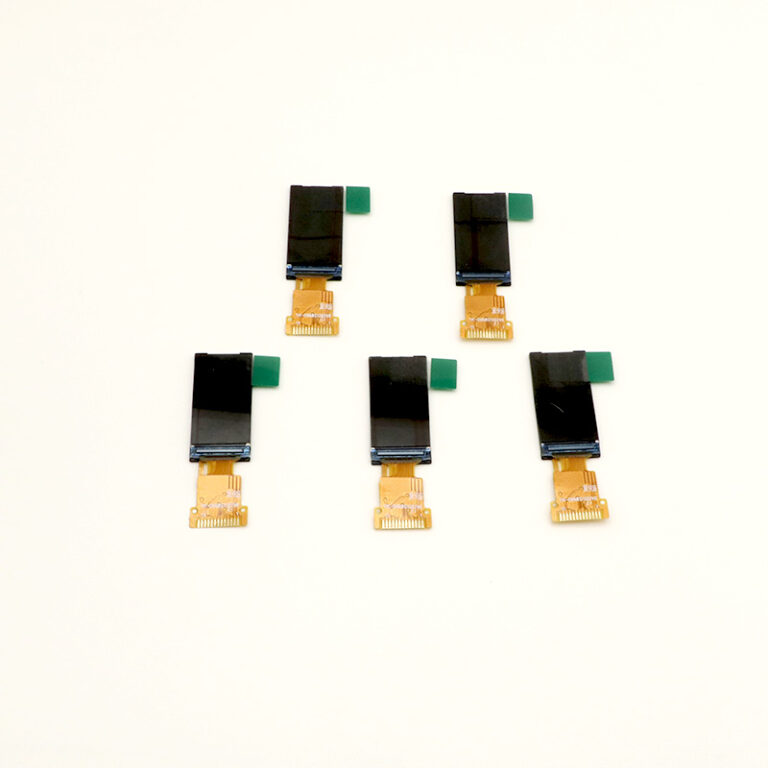


In today’s digital world, the LCD panel is a fundamental component in countless devices, from smartphones and laptops to TVs and industrial equipment. Whether you’re a tech enthusiast, a business professional, or a casual user, understanding the different types of LCD panels, their advantages, and how to choose the best one can significantly enhance your viewing experience. In this guide, we’ll explore the key features of LCD screens, compare different models, and recommend the best options for various applications.

What Is an LCD Panel Screen?
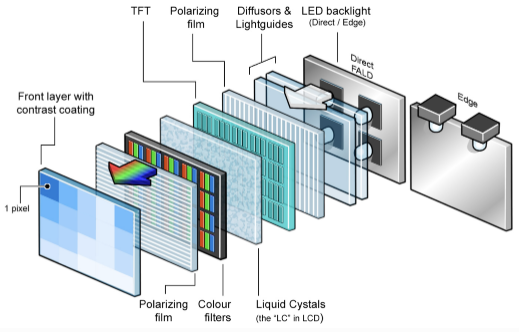
An LCD (Liquid Crystal Display) panel screen is a flat-panel display technology that uses liquid crystals to produce images. Unlike older CRT (Cathode Ray Tube) monitors, LCD screens are thinner, lighter, and more energy-efficient. They work by manipulating light through liquid crystals, which either block or allow light to pass through, creating sharp and vibrant visuals.

LCD panels are widely used in:
- Smartphones and tablets
- Computer monitors and laptops
- Televisions
- Digital signage and kiosks
- Medical and industrial equipment
Types of LCD Panel Screens and Their Advantages
Not all LCD panels are the same. Depending on their technology, they offer different levels of color accuracy, response time, and viewing angles. Here are the most common types:
TN (Twisted Nematic) Panels
Pros: Fast response time (good for gaming), affordable
Cons: Poor viewing angles, lower color accuracy
IPS (In-Plane Switching) Panels
Pros: Excellent color reproduction, wide viewing angles (ideal for designers and video editors)
Cons: Comparatively higher cost and marginally slower response speed than TN panels.
VA (Vertical Alignment) Panels
Pros: High contrast ratio (deep blacks), good for movies and media consumption
Cons: Slower response time, color shifts at extreme angles

OLED (Organic Light-Emitting Diode) vs. LCD
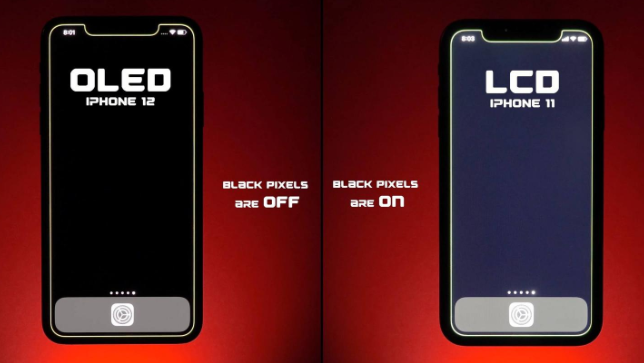
Although OLED displays deliver exceptional contrast ratios and deep blacks, their price point is typically higher than conventional LCD panels. For budget-conscious consumers, LCD continues to provide an affordable and practical solution.
How to Choose the Right LCD Panel Screen?
When selecting an LCD panel screen, consider these factors:
✅ Purpose – Gaming, office work, or creative tasks?
✅ Resolution – Full HD, 4K, or 8K?
✅ Refresh Rate – 60Hz for general use, 144Hz+ for gaming
✅ Panel Type – TN for speed, IPS for colors, VA for contrast
✅ Connectivity – HDMI, DisplayPort, USB-C
By carefully evaluating these factors, you can ensure that the LCD panel you choose is not only compatible with your device but also delivers the performance and user experience you expect. For example, gamers may prioritize higher refresh rates for smoother visuals, while designers and creative professionals often seek IPS panels with accurate colors and higher resolutions for detailed work. Businesses deploying LCD screens in industrial or commercial settings, on the other hand, need to consider durability, power efficiency, and long-term reliability.
At EasyQuick LCD, we specialize in providing a wide range of display solutions that meet the unique requirements of different industries. From compact panels for smart devices to larger, high-resolution screens for professional equipment, our products are designed with both performance and customization in mind. With years of expertise in display technology and strong partnerships with leading manufacturers, we are committed to helping our clients find the perfect balance between quality, cost, and functionality. Whether you are upgrading your existing devices, developing a new product, or exploring custom display solutions, our team is here to provide guidance and support every step of the way.
Future of LCD Panel Screens: What’s Next?
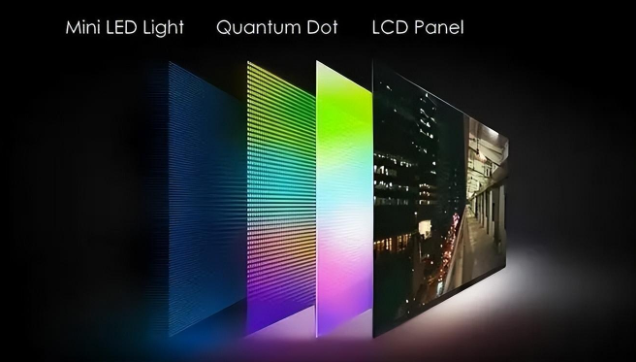
Despite the rise of OLED and Mini-LED, LCD panel screens continue to evolve. Innovations like:
Quantum Dot LCDs for better color
Mini-LED backlighting for improved contrast
Higher refresh rates for smoother motion
ensure that LCD technology remains relevant for years to come.
Final Thoughts
Whether you need a high-performance gaming monitor, a color-accurate display for work, or an affordable screen for daily use, there’s an LCD panel screen that fits your needs. By understanding the differences between panel types and key specifications, you can make an informed decision and enjoy the best visual experience possible.
Have questions about choosing the right LCD screen? Drop a comment below or visit Easy Quick LCD for more insights!