

With the advancement of technology in industrial automation, smart terminals, healthcare equipment, and outdoor electronic appliances, display modules have been integrated into human-machine interface systems. With a variety of display sizes available, the 6 inch lcd display has proven to be a preferred choice among many other display sizes due to its optimum screen size, small form factor, and high integration capability.
Choosing the right display module requires more than simply considering the screen size. There are a number of considerations that should be considered before settling on a particular display. These factors include display performance, environmental requirements, power consumption, and compatibility with existing systems. The following is a guide on how to select a 6 inch lcd display.
What Key Factors Should You Consider When Choosing a 6 Inch LCD Display?
Resolution and Image Quality
The resolution factor must be taken into account since it determines the efficiency of the display. High resolution produces clear images, and thus there will be high-quality graphics and texts that are displayed, especially in the case of complex graphics.
The following are some commonly used resolution specifications for 6 inch lcd display modules:
| Resolution | Typical Applications |
| 800×480 | Basic industrial control systems and HMI devices |
| 1024×600 | Smart devices and embedded terminals |
| 576×1152 | Portable devices and special-format displays |
| 1280×720 | Applications requiring higher image quality |
For projects that require detailed information presentation, choosing a display with an appropriate resolution can significantly improve readability and overall user experience.
Brightness and Viewing Angle
The brightness will dictate the ability of the screen to stay visible under varying lighting environments. Indoor equipment will use about 300 to 500 nits, while for outdoor use, there will be a need for 800 nits or above for the screen to stay visible.
Another thing that will have to be considered is the viewing angle. IPS LCD technology enables wide viewing angles of over 160°, allowing users to view content clearly from different directions.
When selecting a 6 inch lcd display, evaluating brightness and viewing angle helps ensure reliable operation in various environments.
How to Select a Display Based on Application Requirements?
Different industries have different expectations for display performance. Understanding the application environment is essential when choosing the right LCD solution.
Industrial Equipment Applications
Displays used in industrial systems need to support continuous operation while withstanding demanding conditions. Performance stability, structural strength, and environmental tolerance are critical factors.
Industrial applications commonly require:
- 24/7 continuous operating capability;
- Wide operating temperature ranges, such as -20°C to 70°C;
- Strong resistance to vibration and interference;
- Stable communication interfaces.
As an example, factory automation devices, inspection systems, and control stations may incorporate a 6 inch lcd display in order to deliver effective data visualization capabilities and ensure efficient operations even in harsh conditions.
Outdoor Device Applications
Outdoor electronic devices face more challenging conditions, including strong sunlight, temperature fluctuations, dust, and vibration. Therefore, outdoor display solutions need higher brightness, stronger durability, and better environmental adaptability.
Important features for outdoor applications include:
- High brightness performance;
- Wide temperature operation;
- Rugged structural design;
- Low power consumption.
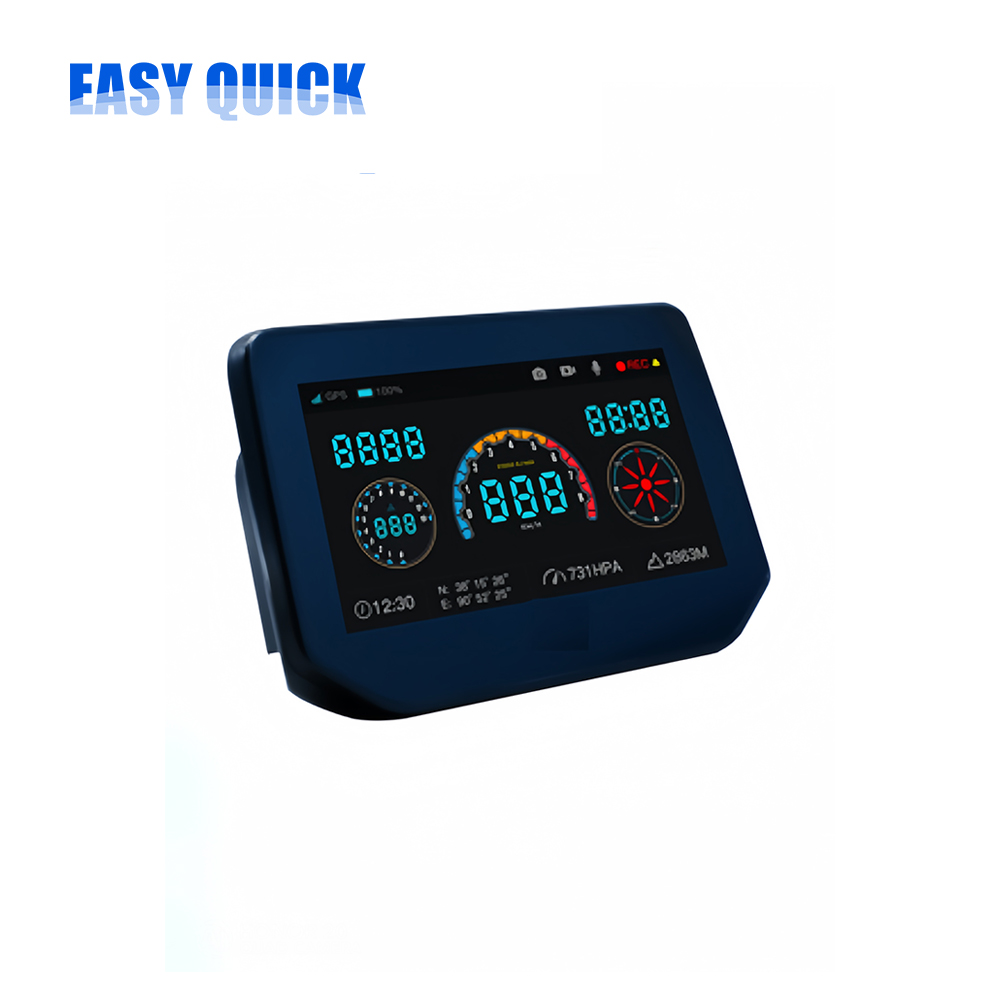
As an example, there are some display modules with 6 inches that can be used in outdoor devices. These display panels combine a 576 × 1152 resolution with a rugged construction, making them suitable for demanding applications.
How to Choose the Right Touchscreen Technology?
Touch functionality has become increasingly common in modern electronic devices. Depending on the application requirements, different touchscreen technologies may be selected.
Resistive Touchscreen
Resistive touch panels are widely used for their reliable performance, simple operation, and cost-efficient design.
They are commonly used in:
- Industrial control panels;
- Measurement instruments;
- Equipment operating interfaces.
They provide stable touch performance even when operators wear gloves or work in harsh operating conditions.
Capacitive Touchscreen
Capacitive touch technology delivers a more responsive user experience while enabling multi-touch functionality. They are widely used in:
- Smart terminals;
- Interactive devices;
- Commercial display systems.
When choosing a touch-enabled 6 inch lcd display, factors such as operating environment, user interaction requirements, and budget should all be considered.
Why Is Interface Compatibility Important?
Interface design between the display module and main control system influences the efficiency of development and the performance of the final product. Prior to choosing an LCD module, compatibility issues should be verified against the current hardware and software system.
Common display interfaces include:
| Interface Type | Features |
| RGB | Good compatibility with traditional embedded systems |
| MIPI DSI | High-speed transmission for smart devices |
| LVDS | Strong anti-interference performance for industrial applications |
| HDMI | Simple integration for multimedia equipment |
Choosing the correct interface can reduce development complexity and prevent additional modification costs during the later stages of a project.
What Should You Consider When Customizing an LCD Display?
When standard displays cannot fully match specific project requirements, customized LCD solutions provide greater design flexibility and improved system compatibility.
Common customization options include:
- Display size adjustment;
- Interface modification;
- Touchscreen integration;
- Brightness enhancement;
- Temperature range optimization;
- Structural customization.
A professional display supplier can provide support from initial product evaluation to mass production, helping customers develop a display solution that matches their equipment requirements.
Key Factors to Consider When Selecting an LCD Display Supplier
While product specifications are crucial, supplier capabilities also have their own share of significance in determining the success of a project. A capable supplier needs to offer quality displays along with technical support.
Key factors to evaluate include:
- Stable manufacturing capability;
- Sample testing support;
- Strict quality inspection procedures;
- Long-term supply capability.
Working with an experienced supplier can help ensure that the selected 6 inch lcd display meets performance requirements while improving product reliability and market competitiveness.
Conclusion
The selection of an appropriate LCD display depends on aspects like resolution, luminance, interface, touch screen, and application settings. An appropriate LCD display for 6 inches can make your product better in terms of performance and reliability.
For industrial equipment, outdoor terminals, and smart devices, EASY QUICK offers reliable LCD display solutions with support for product selection, customization, and application optimization. Feel free to contact us for professional assistance in choosing the right display for your project.