

Liquid Crystal Displays (LCDs) are now an integral part of all electronic products, right from smartphones to industrial and medical devices. Of the different types of LCDs, the most widely used are nematic LCD displays. This paper shall give a thorough overview of nematic LCD displays, discussing their definition, functionality, features, applications, and use of TN (Twisted Nematic) LCD displays.
What is a Nematic LCD?
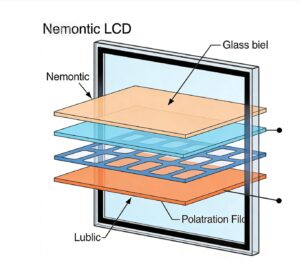
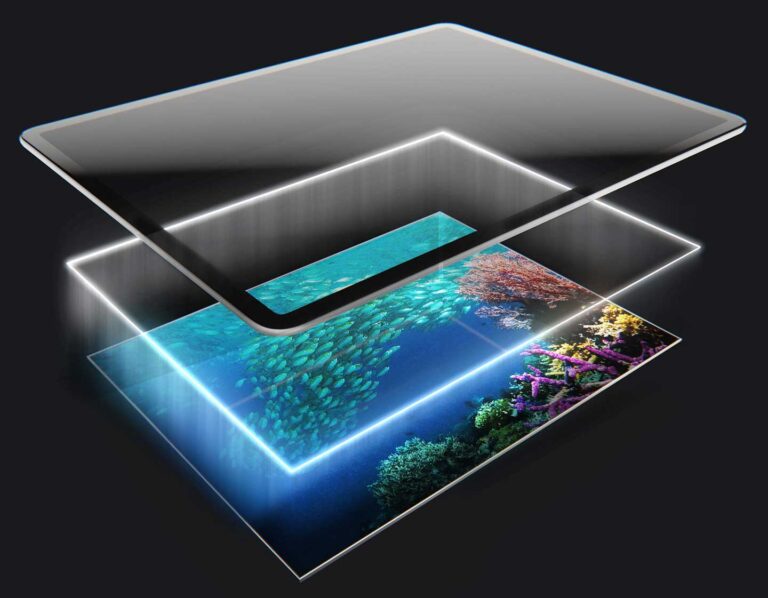
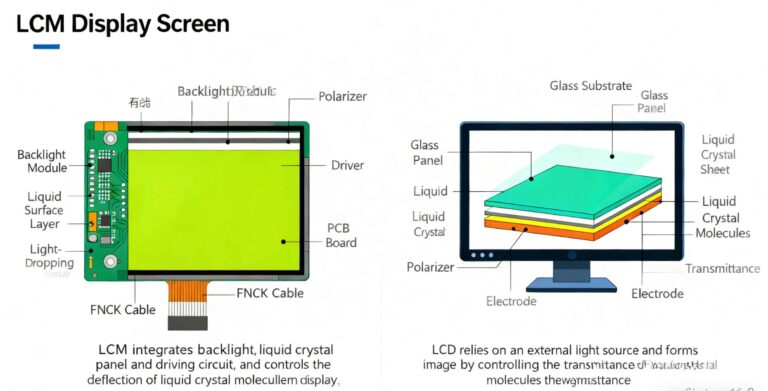
A nematic LCD refers to a liquid crystal display unit that involves the absorption, reflection, or transmission of light, is changes to a different one but by the same mechanism holding in the LCD. The molecules inside the nematic unit are elongated and are directionally aligned but lack a fixed three-dimensional structure. When subjected to an electric field, the molecules can change their orientation; hence, changing the light’s polarization and displaying the image.
TN (Twisted Nematic) displays are a perfect example of nematic LCDs’ functionality. In these displays, the molecules in the liquid crystal are twisted by an angle of 90 degrees in the absence of voltage. However, in the presence of a voltage, the arrangement changes. The light intensity passing through the polarizer changes due to this arrangement of molecules, and consequently, the image is formed.
Features and Advantages of Nematic LCDs
- Low Power Consumption
In contrast to more conventional computer displays like the CRT, nematic displays work in such a way that they do not employ electron beam illumination of the phosphor screen but rather control light by manipulating liquid crystals, thus qualifying as low-power displays. This characteristic presents nematic displays as attractive options in battery-powered devices like laptops, tablets, or portable analytical instruments. - Slim and Lightweight Design
Since liquid crystals are transparent and light is not emitted, there is no need for backlights and phosphor layers in nematic LCDs. With thin polarizers and glass substrates, these devices can be made thin. Today, modern TN screens are only a few millimeters thick. This gives mobile devices such as notebooks a slim look. - Fast Response Time
The twisted nematic display in TN displays allows for quick orientation changes in the liquid crystals when voltage is applied. The effect of this technology is that it offers faster response times when compared to other display types, such as IPS and VA. - Cost-Effective
The nematic LCD technology is already mature and commercially produced on a mass scale. However, as far as cost is concerned, nematic LCDs belonging to the TN type are less expensive compared to IPS or OLED displays and are used in budget laptops, computer monitors for offices, and industrial applications. - High Reliability
High LC materials have a relatively long life span when used normally and are also resilient to temperature fluctuations and vibrations. Nematic LCDs can be considered reliable for use in professional applications, such as industrial control panels and medical equipment.
Applications of Nematic LCDs
- Laptops
Many budget laptops still use TN displays. The twisted arrangement of liquid crystal molecules allows quick modulation of light for image display. Although the viewing angles of TN panels are not as wide, and the color performance is only average, it is sufficient for editing documents and web surfing. The low power consumption is also beneficial for battery life.

- Desktop Monitors
TN panels are quite common in offices and residences because of their relatively inexpensive nature and ability to be mass-produced. They offer a good response time for basic software, simple gaming, and general entertainment purposes, all of which consume less power.. - Mobile Devices
The earliest versions of smartphones, game consoles, and tablet computers predominantly utilized nematic types of LCD. Thin and light, and requiring lower power, they are most suited for mobile devices featuring smaller batteries. Even without the best possible viewing angle and colors, as in the case of IPS and/or OLED screens, the above factors can take priority. - Instruments and Industrial Displays
Nematic LCDs are widely employed in medical equipment, control panels, and instruments because they have low power consumption and high reliability and durability. They can function properly in environments with temperature variations and vibrations.
TN Displays and Nematic LCDs
TN (Twisted Nematic) displays are a specific implementation of nematic LCDs, where liquid crystal molecules are twisted 90° at zero voltage and reorient when voltage is applied, controlling light transmission through polarizers to form images.
Key characteristics include:
- Fast Response
The molecular alignment structure allows rapid changes in orientation under voltage, resulting in fast pixel switching. TN displays reduce motion blur for office work, video playback, and moderate gaming, performing better than early IPS or VA panels in response speed. - Narrow Viewing Angle, Low Cost
TN panels generally have horizontal and vertical viewing angles under 160°, and color or brightness may shift when viewed from the side. However, their mature production process and low material cost make them widely used in budget laptops, office monitors, and industrial equipment. - Average Contrast and Color Performance
TN displays have limited color depth and contrast compared to IPS or OLED panels, but they are sufficient for daily office, web browsing, and casual entertainment use. Professional design or color-critical work may require other panel types. - Low Power and Slim Design
As a type of nematic LCD, TN displays are energy-efficient and can be very thin, making them suitable for portable devices. - Wide Application
TN displays are suitable for budget laptops, office monitors, industrial panels, and certain instruments. Their low cost, fast response, and reliability outweigh the need for high color accuracy in these applications.
While IPS and OLED panels offer superior color, contrast, and viewing angles, TN-type nematic LCDs remain competitive due to low cost, low power consumption, and fast response.
Conclusion
Nematic LCDs are one of the most common types of liquid crystal display technology. TN displays, in particular, play an important role in office, portable, and industrial applications. They control light through the orientation of liquid crystal molecules, offering low power consumption, slim design, fast response, and high reliability—essential knowledge for understanding modern display technology.
If you have further questions about display technology or want to explore other display solutions, feel free to contact us. The EasyQuick team is ready to provide professional advice and help you better understand different types of display technologies and their applications.