
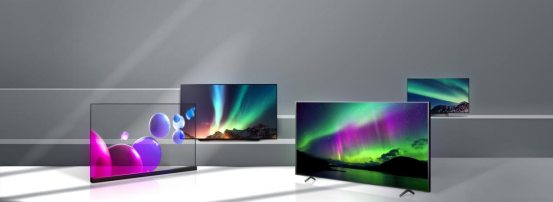
What is an OLED Screen?
In today’s digital world, display technology has become a key factor in shaping the quality of our visual experiences. Among the most innovative advancements is the OLED screen, a technology now widely adopted in smartphones, TVs, laptops, and wearable devices. Unlike traditional LCD displays, OLED offers superior image quality, design flexibility, and improved energy efficiency. This article takes a closer look at the science behind OLED screens, their key advantages, limitations, and the exciting potential they hold for the future
Understanding the OLED Screen
How an OLED Screen Works
An OLED screen (Organic Light Emitting Diode) is made up of organic compounds that emit light when an electric current passes through them. Unlike LCDs, which require a backlight, each pixel in an OLED screen is self-emissive, meaning it generates its own light.
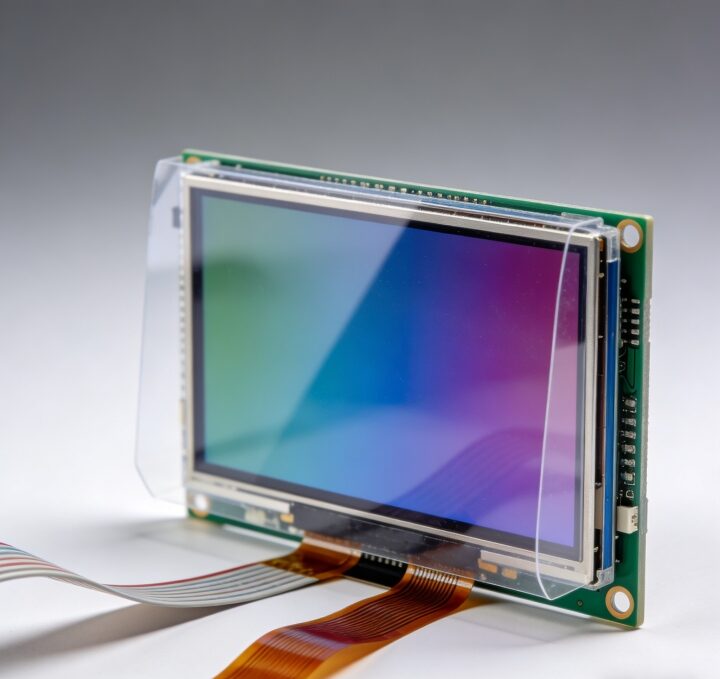
- Structure: An OLED typically consists of multiple layers: a substrate, anode, organic emissive layer, conductive layer, and cathode.
- Pixel Control: Because each pixel can turn on or off independently, OLED screens achieve true black levels and extremely high contrast ratios (often exceeding 1,000,000:1).
- Color Reproduction: OLED displays can achieve over 100% of the DCI-P3 color gamut, providing vibrant and accurate colors for professional applications.

Types of OLED Screens
OLED technology has evolved into several categories, each optimized for specific applications:
1. PMOLED (Passive Matrix OLED)
- Structure: Uses a simple control scheme with limited scalability.
- Advantages: Cost-effective, lightweight, suitable for small displays such as MP3 players or simple wearables.
- Limitations: Limited resolution and size, typically below 3 inches.

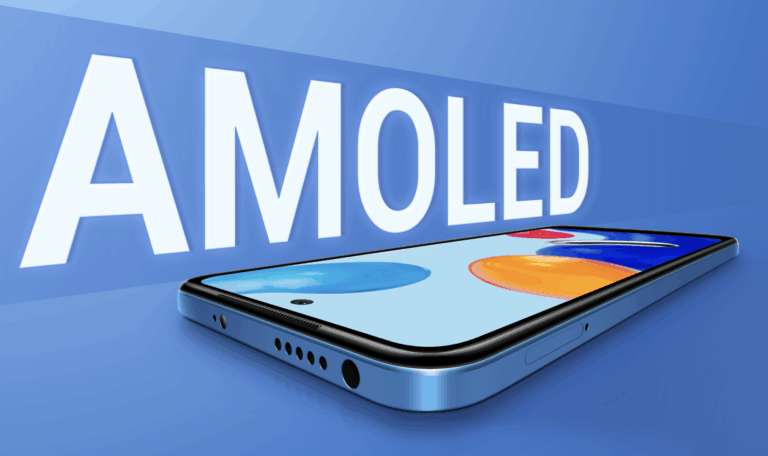
2. AMOLED (Active Matrix OLED)
- Structure: Incorporates a thin-film transistor (TFT) backplane for precise pixel control.
- Advantages: Supports higher resolutions such as 1080p, 2K, and even 4K on mobile devices.
- Applications: Smartphones, high-end TVs, laptops, and tablets.
- Features: Better refresh rates (up to 120 Hz and beyond) and larger screen sizes.
3. Flexible OLED
- Made on plastic or thin substrates instead of glass.
- Advantages: Enables foldable, rollable, and curved displays.
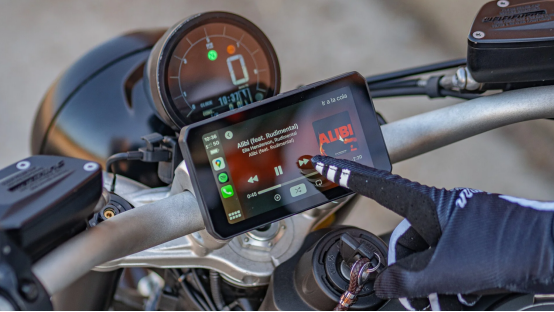
- Example: Foldable smartphones and automotive dashboard screens.
- Durability: Resistant to shattering compared to traditional glass-based displays.

4. Transparent OLED
- Allows partial transparency, meaning users can view digital content while still seeing through the display.
- Applications: Smart retail displays, museum exhibits, and next-generation AR devices.
Advantages of OLED Screens
1. Superior Image Quality
When watching a movie on an OLED TV, scenes with starry skies or night cityscapes look remarkably lifelike because every pixel can turn completely off, creating a pure black background. This contrast is something LCD screens cannot achieve, and it makes HDR content and gaming much more immersive.
2. Thin and Lightweight Design
Take smartphones like the Samsung Galaxy or Apple iPhone series as an example: their slim form factor is possible thanks to OLED panels that are only about 1 mm thick. In wearable devices such as smartwatches, the lightweight design not only saves space but also improves comfort for all-day wear.
3. Design Flexibility
Foldable phones such as the Samsung Galaxy Z Fold and rollable display prototypes from LG demonstrate how OLED’s flexible substrates open up new product categories. In the automotive field, curved OLED dashboards allow car manufacturers to build driver-centric cockpits that are both functional and futuristic.
4. Reduced Eye Strain
Many e-readers and smartwatches now adopt OLED screens because of their natural viewing comfort. For example, Apple Watch uses OLED to achieve always-on displays with minimal flicker, reducing strain during prolonged use. This is particularly important for users who check notifications frequently throughout the day.

Conclusion
An OLED screen is not just another display—it represents a revolution in how images are produced and experienced. With multiple categories such as PMOLED, AMOLED, flexible OLED, and transparent OLED, this technology covers everything from budget devices to futuristic foldable phones and immersive automotive dashboards. While challenges like cost and lifespan remain, continuous innovation is expanding the possibilities of OLED technology.
At Easy Quick, we have recently launched our own OLED production line, expanding our capabilities beyond LCD and other display modules. This new investment allows us to deliver cutting-edge OLED solutions with enhanced customization, faster lead times, and reliable quality assurance.
📩 If you are looking for a dependable OLED screen supplier and partner, contact us today to discuss how our new OLED production line can support your next innovation.