
Introduction
When choosing display technology for advertising, exhibitions, or commercial applications, two popular options often come up: holographic displays and LED displays.
The comparison of Holographic Display vs LED Display is becoming increasingly important as businesses look for more engaging and effective visual solutions.
Both technologies are powerful visual tools, but they work in very different ways and serve different purposes. In this article, we will explore Holographic Display vs LED Display in terms of technology, performance, cost, and applications to help you choose the right solution.
What Is a Holographic Display?
A holographic display is a system that creates the illusion of floating 3D images using light manipulation, reflection, or LED-based rotating structures.
In the discussion of Holographic Display vs LED Display, holographic technology stands out for its ability to produce a glasses-free 3D visual effect, making objects appear as if they are suspended in mid-air.
Key Characteristics:
- 3D visual illusion (not a physical screen image)
- High visual impact
- Often used for advertising and exhibitions
- Limited content type (mainly promotional visuals)
What Is an LED Display?
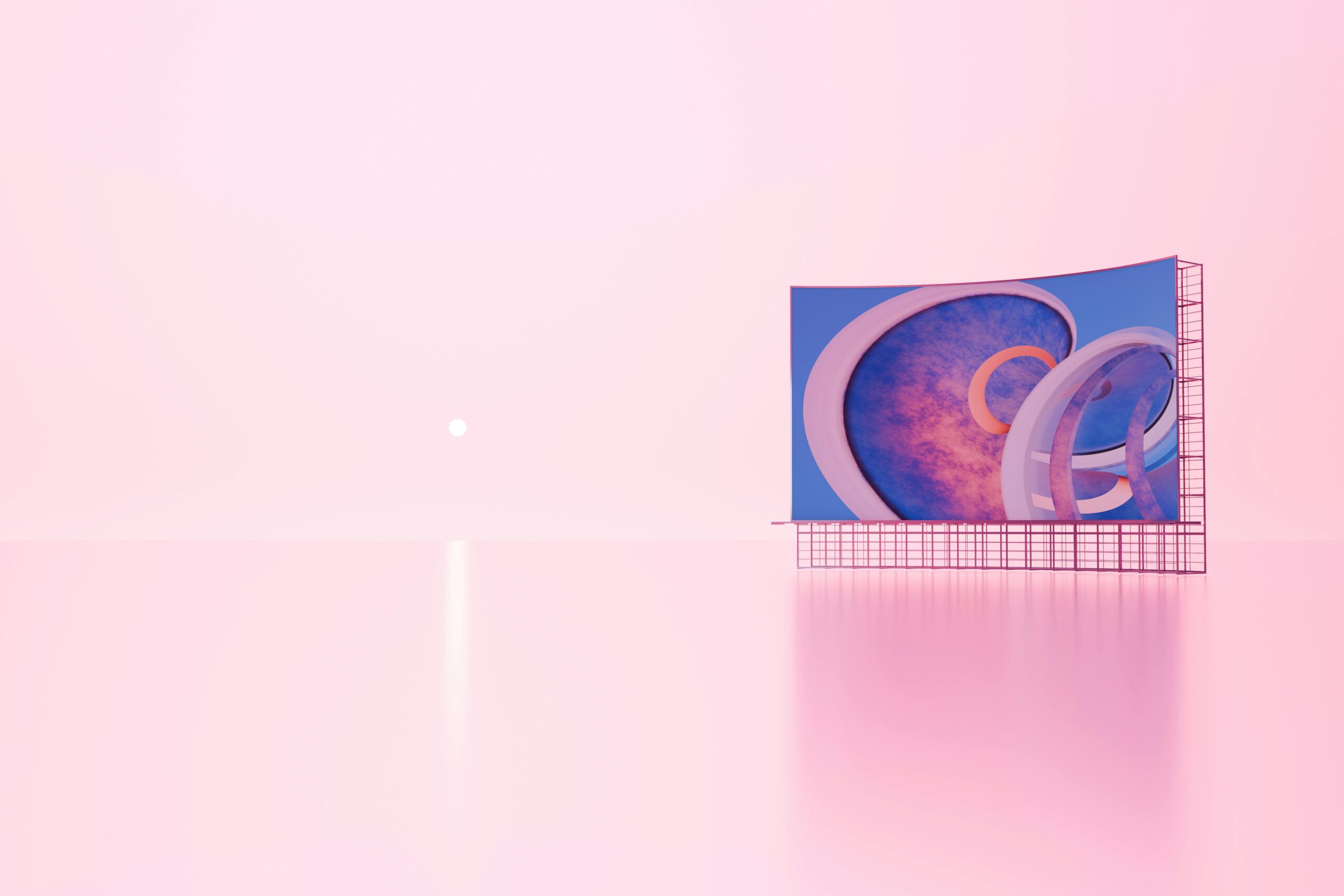
An LED display is a flat-panel screen made up of thousands of LED pixels that form images, videos, and text.
When comparing Holographic Display vs LED Display, LED technology is known for its practicality, scalability, and reliability across various industries.
Key Characteristics:
- Real 2D digital screen
- High brightness and outdoor visibility
- Supports video, images, text, live content
- Scalable in any size (small to stadium-scale)
Holographic Display vs LED Display: Technology Difference
1. Display Principle
- Holographic Display:
Uses light reflection, LED rotation, or optical illusion techniques to create a 3D floating effect. - LED Display:
Uses LED pixels to directly display 2D images and videos.
Understanding this core difference is essential when evaluating Holographic Display vs LED Display for your project.
2. Visual Experience
- Holographic Display:
Creates a “floating object” illusion in space, highly eye-catching. - LED Display:
Provides clear, bright, and stable 2D visual content.
In terms of visual experience, Holographic Display vs LED Display highlights the contrast between immersive 3D effects and practical clarity.
3. Content Type
- Holographic Display:
Best for 3D animations, product showcases, branding visuals. - LED Display:
Supports all types of content: video, images, text, live streaming.
This is a major factor in deciding between Holographic Display vs LED Display depending on your content needs.
4. Brightness & Environment
- Holographic Display:
Works best in controlled environments (indoor or semi-outdoor). - LED Display:
Excellent performance in both indoor and outdoor environments, even under direct sunlight.
When analyzing Holographic Display vs LED Display, environmental adaptability is a key consideration.
5. Installation & Size
- Holographic Display:
Usually compact or medium-sized systems. - LED Display:
Highly flexible, from small indoor screens to giant outdoor billboards.
6. Cost Comparison
- Holographic Display:
Higher cost due to specialized hardware and 3D content creation. - LED Display:
More cost-effective for large-scale installations and long-term use.
Cost is often the deciding factor in Holographic Display vs LED Display comparisons.
Applications Comparison
When evaluating Holographic Display vs LED Display, understanding their applications can help determine the right choice.
Holographic Display Applications
- Shopping mall advertising
- Brand product launches
- Exhibition displays
- Museum presentations
- Event stage effects
LED Display Applications
- Outdoor billboards
- Stadium screens
- Transportation hubs
- Retail digital signage
- Control rooms and monitoring systems
Advantages and Limitations
Holographic Display
Advantages:
- Extremely eye-catching
- Strong marketing impact
- Unique 3D visual experience
Limitations:
- Higher cost
- Limited content flexibility
- Requires controlled environment
LED Display
Advantages:
- High brightness and durability
- Flexible content support
- Suitable for all environments
- Cost-effective for large scale
Limitations:
- Flat 2D visual experience
- Less “wow effect” compared to holographic systems
Which One Should You Choose?
The decision between Holographic Display vs LED Display ultimately depends on your application needs:
- Choose Holographic Display if you want:
- High-impact visual marketing
- Product storytelling in exhibitions
- Innovative brand presentation
- Choose LED Display if you need:
- Large-scale advertising
- Outdoor durability
- Flexible and long-term digital signage
Future Trend: Will Holographic Replace LED?
In the ongoing debate of Holographic Display vs LED Display, it is clear that both technologies serve different roles.
While holographic display technology is growing rapidly, LED displays remain the dominant solution for large-scale advertising.
In the future, Holographic Display vs LED Display will not be about replacement, but about coexistence:
- LED for large-scale communication
- Holographic for premium visual engagement
FAQ (SEO Optimized)
What is the main difference between holographic display and LED display?
In the comparison of Holographic Display vs LED Display, holographic displays create 3D illusion effects, while LED displays show real 2D images and videos.
Is holographic display better than LED display?
When discussing Holographic Display vs LED Display, the answer depends on the use case.
Can holographic displays replace LED displays?
No. Holographic Display vs LED Display shows they serve different purposes.
Which is more expensive: holographic or LED display?
In most Holographic Display vs LED Display comparisons, holographic displays are more expensive.
Conclusion
Choosing between Holographic Display vs LED Display depends on your project goals, environment, and budget.
If you need large-scale outdoor advertising, LED displays are usually the best option.
If you are looking for high-impact visual branding and immersive experience, holographic displays may be more suitable.
👉 Contact us today for expert advice on Holographic Display vs LED Display and get a tailored solution for your business.