
With the rapid growth of smart devices, industrial automation, medical equipment, and automotive electronics, display modules have become an essential part of modern electronic products. Among different display technologies, TFT LCD module solutions are widely used because of their high resolution, fast response speed, excellent color performance, and reliable operation.
On the other hand, various applications have various requirements for the display screen, with regard to size, light intensity, resolution, energy usage, and compatibility of the user interface. Selecting a display screen that does not suit the intended application would not only make development expensive, but also affect the user experience. It is important, therefore, to learn how to select a good TFT LCD module.
This article outlines the factors that should be considered in selecting a suitable display module.
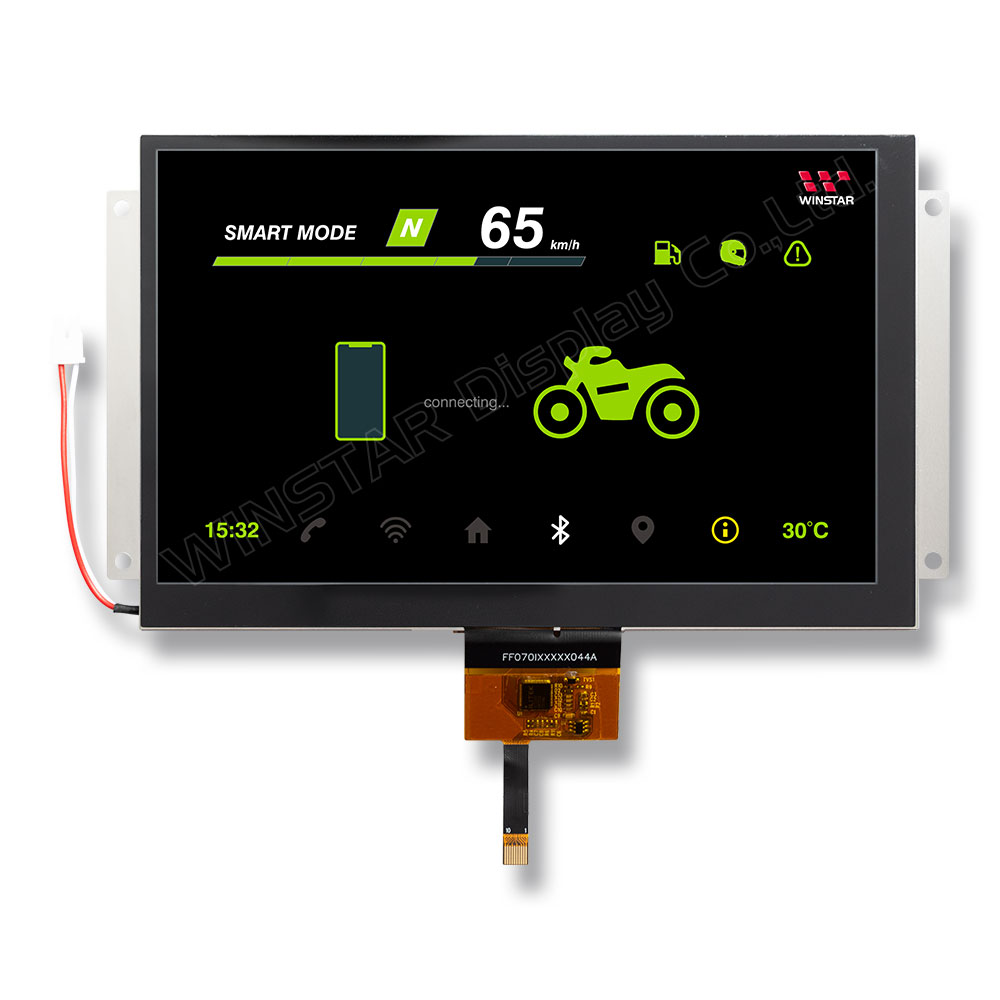
What Is a TFT LCD Module?
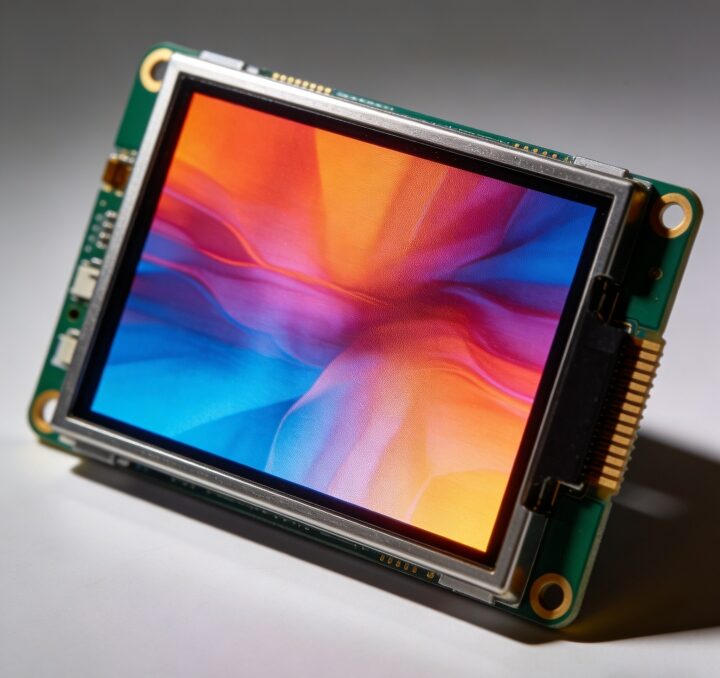
The TFT LCD module is a type of display module that operates on the principle of thin film transistors. As compared to other LCD modules that utilize conventional technology, the modules offer better response time and picture quality.
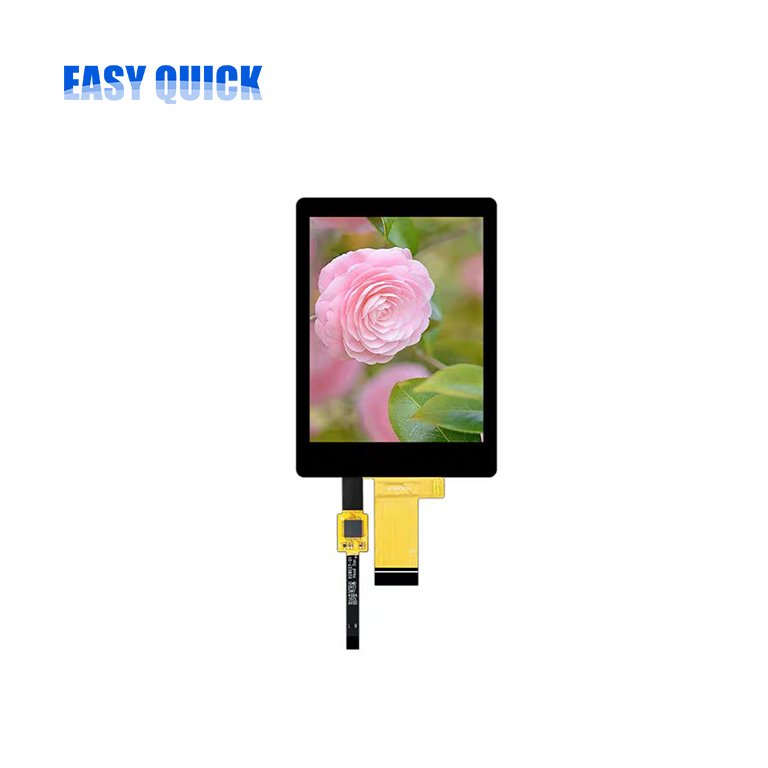
A complete TFT LCD module usually includes a TFT panel, driver IC, backlight system, control circuit, and connection interface. Some models can also integrate touch functionality to support interactive applications.
TFT LCD modules are available in various sizes, from compact displays for wearable devices and smart electronics to larger solutions for industrial equipment and control systems. The ideal module depends on the product’s functional requirements and operating environment.
What Factors Should You Consider When Choosing a TFT LCD Module?
Selecting a display module requires evaluating several technical factors rather than focusing only on screen size or cost.
Display Size and Resolution
The display size and resolution directly affect image quality and user experience. Larger displays can show more information, while higher resolutions provide sharper details.
| Display Size | Common Resolution | Applications |
| 1.0-3.5 inches | 128×128, 240×320, 320×480 | Wearable devices, portable products |
| 4.3-5 inches | 480×272, 800×480 | Industrial control panels |
| 7 inches and above | 1024×600, 1280×800 | Medical equipment, automotive displays |
For applications that require detailed graphics, real-time data, or complex interfaces, displays with 800×480 resolution or higher are usually recommended.
Brightness, Color, and Viewing Angle
Display performance is another important factor when selecting a TFT LCD module.
Brightness should be chosen according to the working environment:
- 250-400 cd/m²: Suitable for indoor applications;
- 400-700 cd/m²: Recommended for industrial environments;
- 800 cd/m² or higher: Suitable for outdoor applications.
Most modern TFT displays support 16.7 million colors (24-bit color), providing smooth image transitions and accurate color presentation.
Viewing angle is also important. Standard displays usually provide around 60°-80° viewing angles, while IPS-based displays can achieve approximately 170° wide viewing angles, making them suitable for applications requiring clear visibility from different directions.
Interface Compatibility
The interface determines how the display communicates with the main control system. Selecting the correct interface improves system stability and development efficiency.
| Interface | Features | Applications |
| SPI | Simple design and low cost | Small embedded devices |
| RGB | Fast data transmission | Industrial systems |
| MIPI DSI | High speed and low power consumption | Smart terminals |
| LVDS | Strong anti-interference ability | Large industrial displays |
For devices requiring fast image updates or smooth animations, MIPI DSI is often preferred. For simple information displays, SPI can provide a more economical solution.
How to Choose a TFT LCD Module for Different Applications?
Different industries have unique requirements for display solutions. Understanding the application environment helps ensure better performance and reliability.
Industrial and Medical Applications
Industrial equipment usually requires displays with high reliability, long service life, and strong environmental adaptability. A suitable TFT LCD module for industrial applications may need:
- Operating temperatures from approximately -20°C to 70°C;
- High brightness for better visibility;
- Stable performance during long-term operation.
Medical equipment has even higher requirements for display accuracy. Applications such as patient monitors and laboratory instruments require high-resolution displays, accurate color reproduction, and reliable operation.
Smart Consumer Electronics Applications
Smart speakers, wearable devices, and IoT products usually focus on compact design, low power consumption, and attractive user interfaces.
For example, a 1.8-inch round 360×360 TFT LCD display module is designed for next-generation smart speakers and compact consumer electronics. With a circular 360×360 resolution display, this module provides clear images, excellent color performance, and low-power operation, making it suitable for always-on interfaces.

The module also supports customization options such as brightness adjustment, interface selection, cover lens design, and touch integration. These adaptable options enable manufacturers to develop display solutions that meet the needs of high-end products as well as large-scale commercial devices.
When selecting a TFT LCD module for smart electronics, developers should consider not only display quality but also power efficiency, product size, and future production requirements.
How to Select a Reliable TFT LCD Module Supplier?
Choosing the right supplier is just as important as selecting the right display specifications. A professional supplier should provide:
- Customized display solutions;
- Technical support and sample testing;
- Stable mass production capability;
- Strict quality inspection processes.
Before large-scale production, suppliers should conduct brightness testing, color consistency testing, aging tests, and environmental reliability testing to ensure product stability.
For long-term projects, supply capability and product lifecycle management are also important factors to avoid future replacement risks.
Future Trends of TFT LCD Modules
With the development of smart manufacturing, IoT devices, and intelligent terminals, display solutions continue to improve.
Future TFT LCD module trends include:
- Higher resolution displays;
- Lower power consumption;
- Thinner designs;
- Better environmental durability;
- Integrated touch functions.
These improvements will help TFT LCD technology remain an important display solution for various industries.
Conclusion
Selection of the appropriate TFT LCD module involves thorough evaluation of display size, resolution, brightness level, connection interface, operating conditions, and manufacturing ability of the supplier. An appropriate display solution will enhance the performance and reliability of the product.
Easy Quick has extensive experience in display product development and provides professional display solutions based on different application requirements, including customization, interface optimization, and touch integration.
If you are looking for a reliable TFT LCD module for your project, please feel free to contact Easy Quick. Our team can help you find an efficient and customized display solution that meets your product needs.