
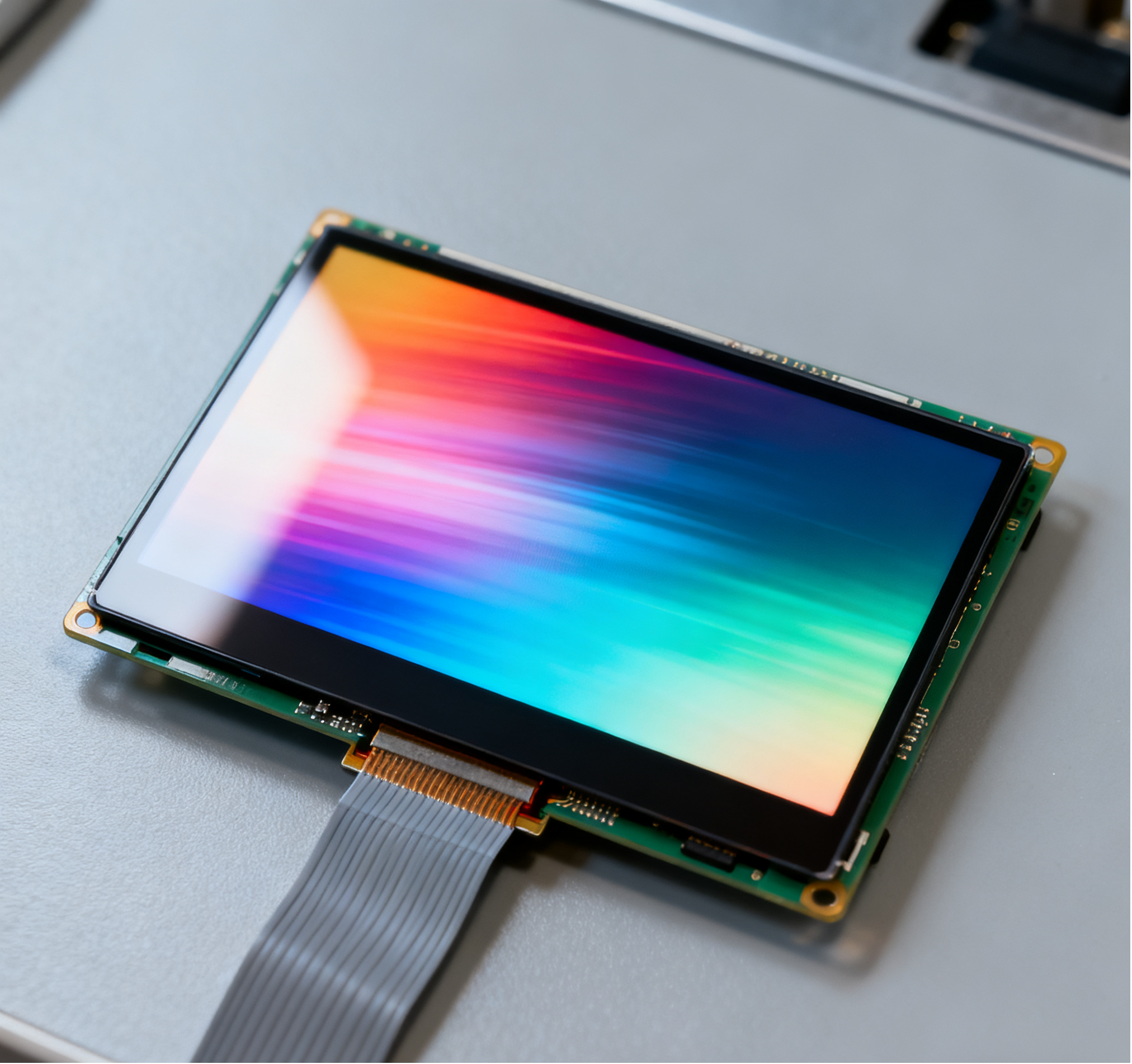
In today’s fast-paced technology environment, LCD modules are used in an incredibly wide range of products — from factory automation systems and industrial control panels to medical monitors, automotive dashboards, and outdoor kiosks. These modules serve as the “face” of devices, delivering essential information and user interaction. However, while display clarity and performance often attract the most attention, long-term durability and operational stability are what truly determine the overall product quality and customer satisfaction.
Understanding LCD Module Longevity
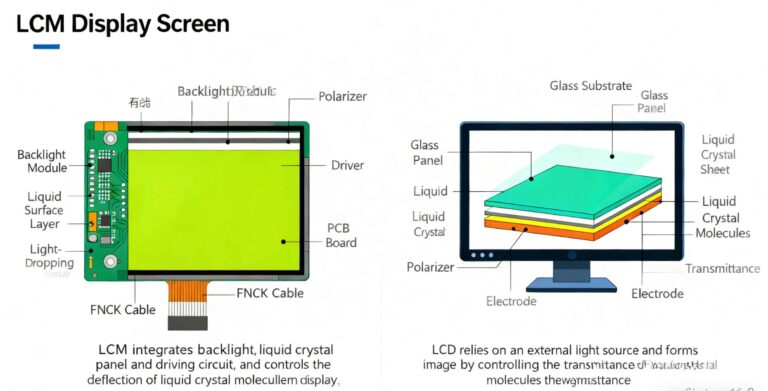
An LCD module’s lifespan is primarily determined by both internal and external factors. Internally, the durability of the backlight system, driver IC, polarizer, and connection interfaces plays a key role. Externally, temperature, humidity, vibration, and power stability all have significant effects. On average, a high-quality LCD module can operate reliably for 50,000 to 100,000 hours, but achieving this depends on careful system design, appropriate handling, and consistent maintenance throughout the product’s lifecycle.
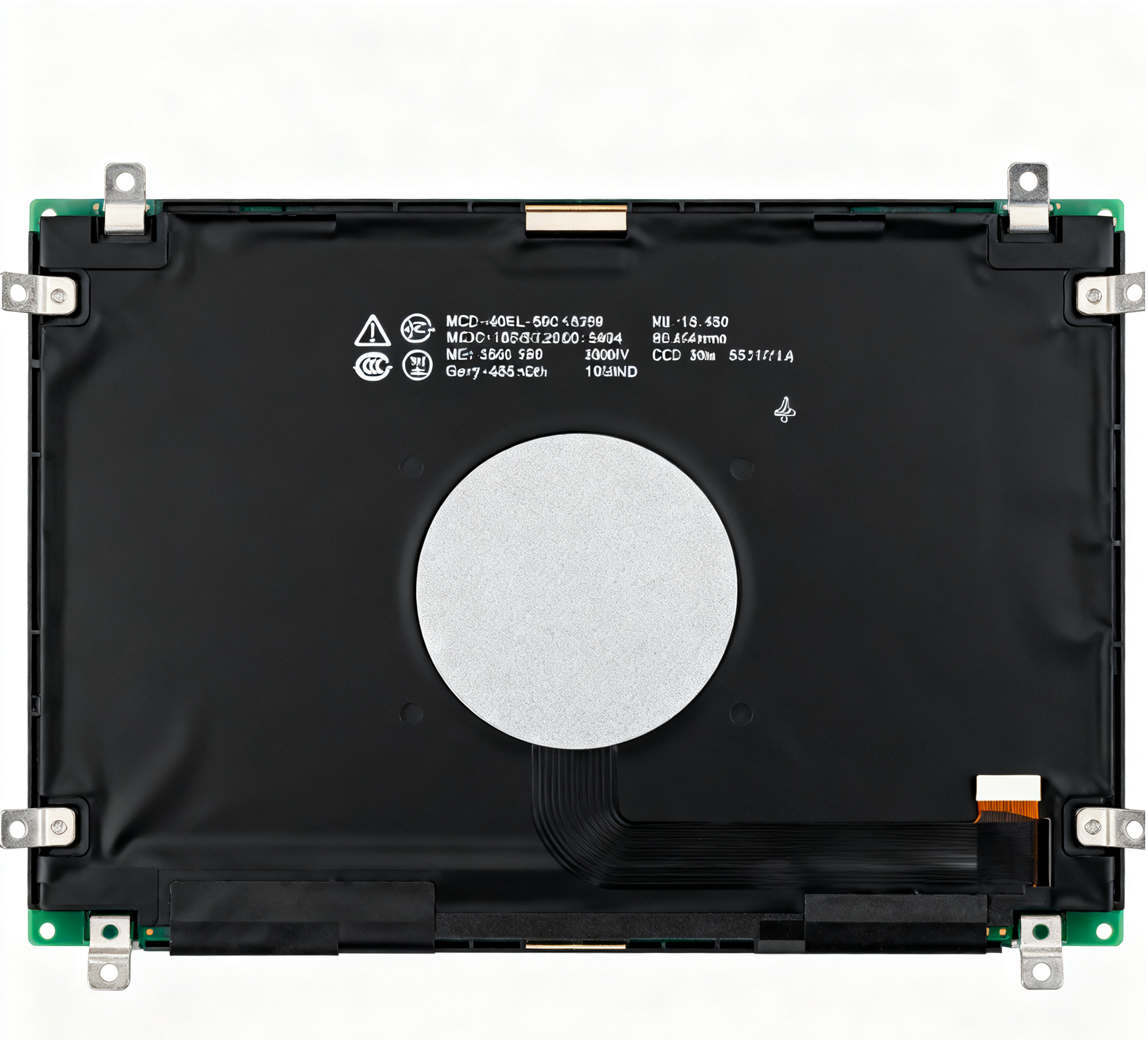
1. Thermal Management: Keeping Cool for Longer Life
Excessive heat is one of the leading causes of LCD degradation. High operating temperatures accelerate the deterioration of liquid crystal materials, polarizers, and LED backlights. In industrial or outdoor settings, where ambient temperatures may exceed 50°C, heat management becomes critical.
Best Practices:
– Select wide-temperature-range LCDs capable of stable operation from -20°C to +70°C.
– Integrate heat sinks, thermal pads, or ventilation designs into the enclosure to dissipate excess heat.
– Avoid placing LCDs near high-power components such as CPUs, power converters, or batteries.
– For high-brightness modules, ensure backlight current is optimized to prevent overheating.
Effective thermal design not only extends the life of the display but also ensures consistent image quality and brightness over time.
2. Stable Power Supply: Protecting the Heart of the Display
Power fluctuations are a silent killer of LCD modules. Overvoltage, voltage ripple, or incorrect power sequencing can damage the driver IC or cause flickering and backlight failure.
Best Practices:
– Use regulated and filtered power supplies with proper decoupling capacitors.
– Include overcurrent, short-circuit, and reverse-polarity protection circuits.
– Follow the recommended power-on and power-off sequence in the LCD datasheet to avoid electrical stress.
– Consider adding EMI filters and surge protection for systems exposed to unstable electrical conditions.
Stable voltage ensures that every pixel and backlight LED operates within a safe range, preventing long-term damage and ensuring consistent performance.
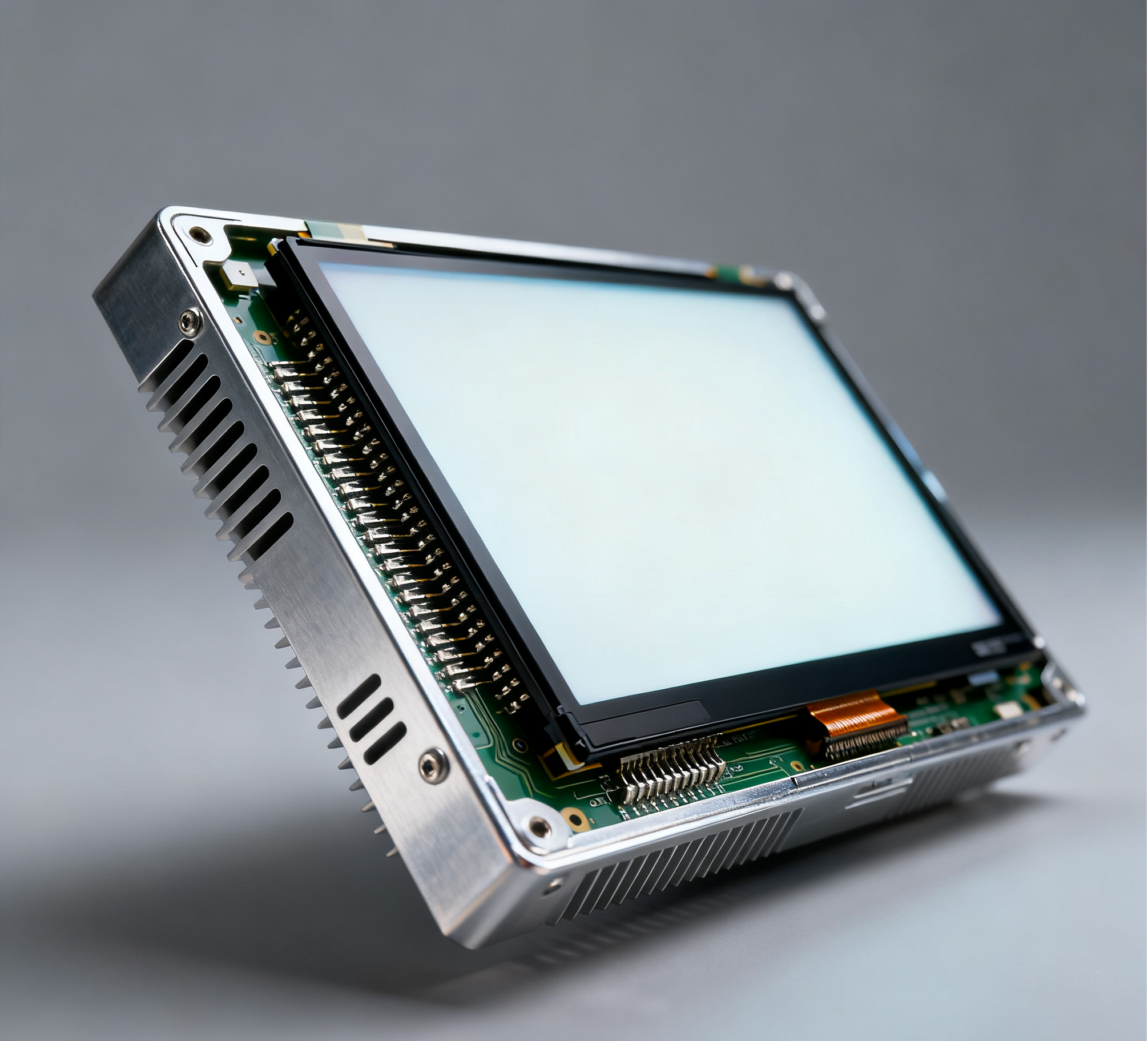
3. Environmental Protection: Shielding Against the Elements
Humidity, dust, and ultraviolet (UV) exposure are often underestimated threats to LCD longevity. Over time, moisture can infiltrate the display, leading to oxidation and optical haze, while UV rays degrade polarizers and adhesives.
Best Practices:
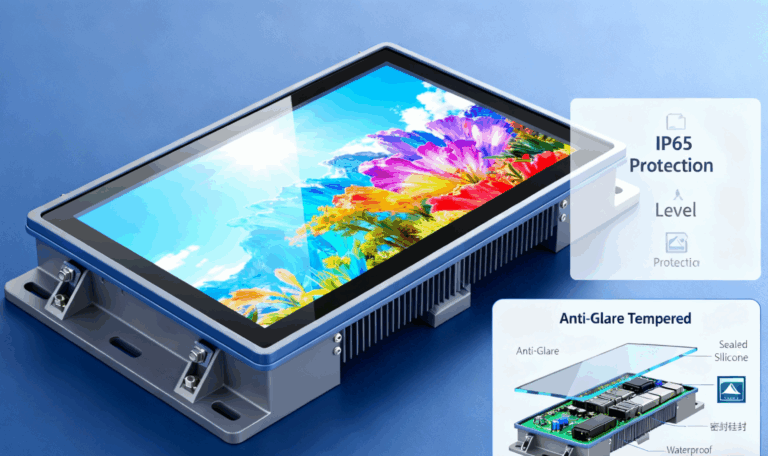
– Apply conformal coating or sealing for modules used outdoors or in industrial environments.
– Choose IP-rated LCD modules (e.g., IP65 or IP67) for resistance against water and dust ingress.
– For outdoor visibility, use anti-glare coatings, UV-resistant films, and high-brightness displays.
– Keep the display surface clean using non-alcohol-based cleaners to prevent chemical damage.
At EasyQuick, many of our outdoor and vehicle-grade LCD modules are engineered with protective coatings and UV filters, ensuring long-term optical clarity even under direct sunlight.
4. Backlight Optimization: The Core of Display Longevity
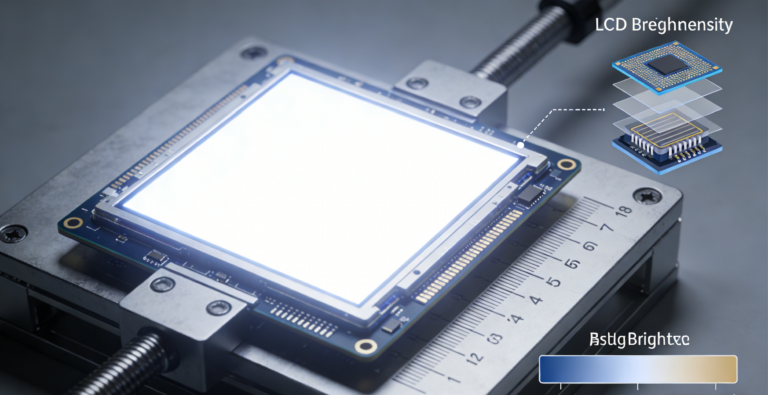
The LED backlight is usually the first component to reach the end of its useful life. Excessive brightness or current levels can shorten LED lifespan dramatically.
Best Practices:
– Avoid continuous operation at maximum brightness. Instead, set brightness at 70–80% of the rated value.
– Use ambient light sensors to enable automatic brightness adjustment.
– Select high-efficiency LEDs with certified lifespan ratings exceeding 50,000 hours.
– Ensure uniform current distribution to prevent localized heating and color shifts.
By combining energy-efficient backlight design and intelligent control, EasyQuick ensures consistent brightness performance with minimal degradation over time.
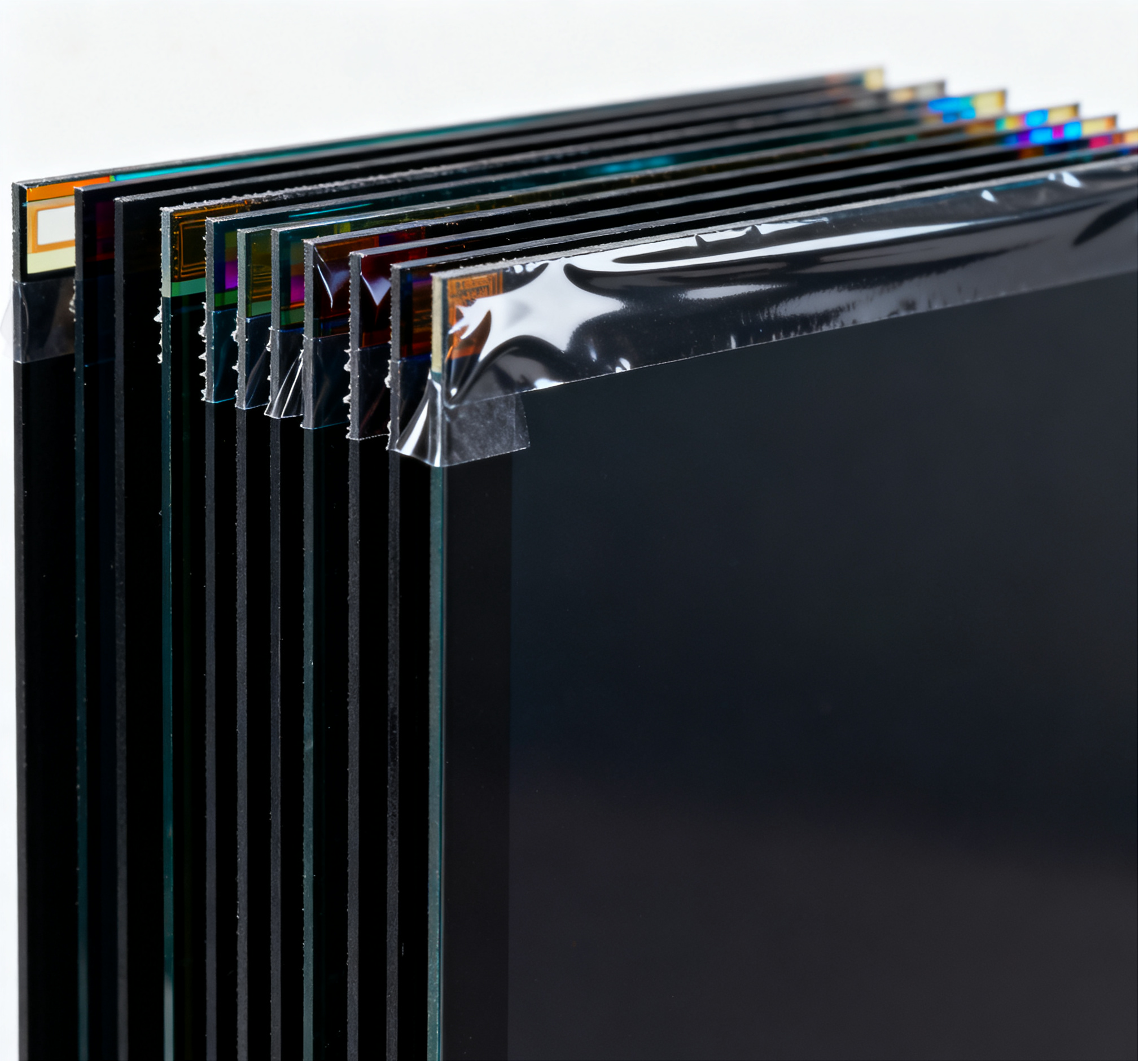
5. Proper Handling and Installation: Small Steps, Big Impact
Mechanical stress, static discharge, or improper mounting can severely impact the stability of LCD modules. Even minor mistakes during installation can cause long-term reliability issues.
Best Practices:
– Handle displays in ESD-protected environments to prevent static discharge.
– Avoid pressing on the active area or bending FPC cables.
– Use secure mounting frames that distribute pressure evenly.
– Avoid direct contact with metallic objects or sharp edges.
– When cleaning, use soft microfiber cloths to avoid surface damage.
Proper handling during assembly and maintenance helps preserve the display’s optical and electrical integrity, ensuring smooth operation for years.
How EasyQuick Ensures Long-Term Stability
At Shenzhen EasyQuick Technology Co., Ltd., we integrate reliability into every stage of product development. Each LCD module undergoes comprehensive reliability testing, including:
– High/low temperature endurance tests
– Thermal shock and humidity cycling
– Vibration and drop resistance verification
– UV and sunlight exposure testing
– Long-term burn-in aging evaluations
We also offer customized display solutions for various applications — including reflective and transflective LCDs for outdoor environments, high-brightness modules for industrial control, and energy-efficient designs for battery-powered devices. Our engineering team collaborates closely with clients to optimize display performance according to their exact environmental and functional requirements. The result: displays that perform reliably in real-world conditions, maintaining clarity and stability throughout their entire service life.
Conclusion
Extending the lifespan and stability of LCD modules is not just about choosing the right components — it’s about understanding the environment, optimizing the design, and applying proper handling and maintenance practices. By partnering with an experienced display manufacturer like EasyQuick, businesses gain access to proven expertise, high-quality materials, and advanced testing standards that guarantee long-lasting performance.
Whether your project involves industrial automation, smart transportation, or outdoor digital signage, EasyQuick can help you design a display system built to last — delivering stable, brilliant visuals that stand the test of time.