
Understanding the Value of an FHD LCD Display in Modern Devices
As technology races toward higher resolutions like 2K, 4K, and even 8K, many wonder whether the FHD LCD Display (1920×1080 pixels) still holds its place in 2025. The answer is a resounding yes — for a large number of consumer and industrial applications, Full HD remains not only relevant but also optimal.
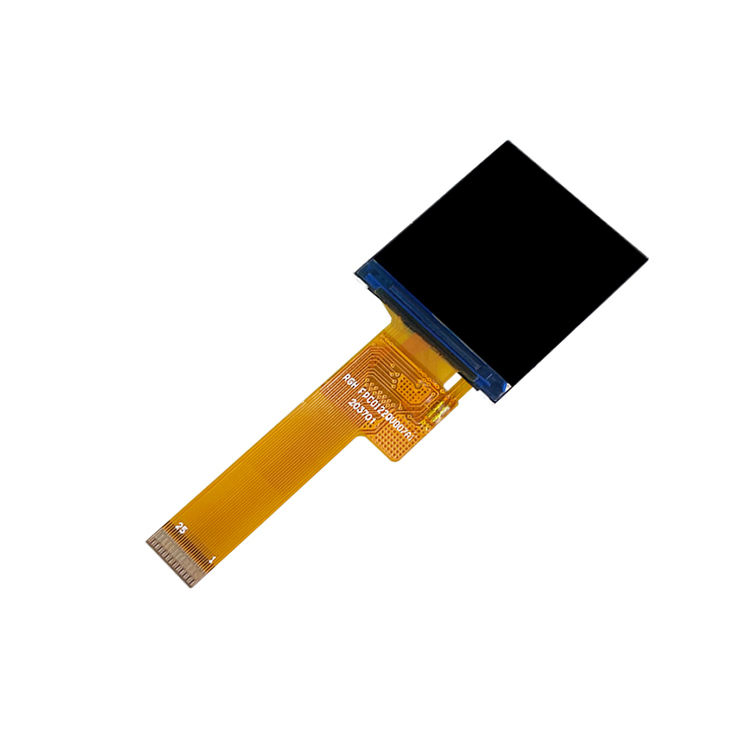
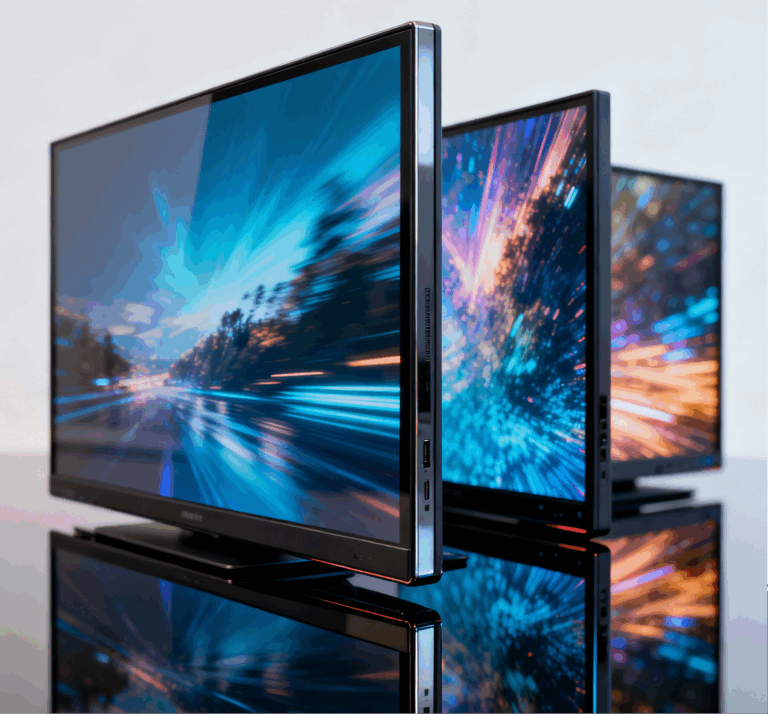
The term FHD (Full High Definition) refers to a resolution standard that delivers 2,073,600 pixels on the screen. Combined with modern LCD (Liquid Crystal Display) technology, it provides balanced clarity, cost efficiency, and energy performance that continue to meet the requirements of most smart devices, automotive systems, and IoT equipment.
Why the FHD LCD Display Still Delivers Excellent Performance
1. Balanced Visual Quality and Power Consumption
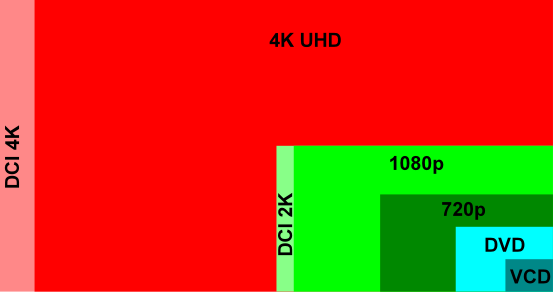
FHD offers a sweet spot between clarity and efficiency. While a 4K display contains over 8 million pixels—about four times more than FHD—it also consumes 30–40% more power and requires higher GPU bandwidth. For portable devices such as tablets, dashboards, and home control panels, this extra energy drain is unnecessary. The FHD LCD Display delivers sharp, detailed images with lower energy costs, making it ideal for battery-powered devices.
2. Cost Efficiency for Mass Production
In 2025, the production yield of FHD LCD panels remains exceptionally high. Manufacturers have perfected the process, reducing unit cost by over 25% compared with higher-resolution alternatives. This cost advantage benefits both end-users and OEMs, allowing affordable yet visually appealing products. For instance, many smart terminals and automotive displays still prefer FHD modules to balance budget and quality.
3. Readability and Color Accuracy Improvements
Modern LCD technologies—especially IPS (In-Plane Switching)—have significantly improved color accuracy, reaching sRGB coverage above 95% and contrast ratios around 1200:1. These enhancements make today’s FHD LCDs visually comparable to higher-resolution OLEDs in typical viewing distances. For displays under 10 inches, human eyes can barely distinguish between FHD and 2K resolution.
Applications That Still Rely on FHD LCD Displays
Smart Devices and IoT Terminals
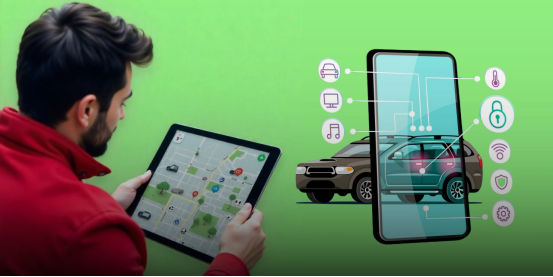
In the smart home and AIoT sector, FHD LCD displays are widely used in home control panels, smart mirrors, and connected appliances. They provide clear visuals, fast response times (often under 20 ms), and reliable touch performance.
Automotive and Mobility Solutions
Vehicle dashboards, electric scooter panels, and infotainment systems still prefer FHD LCD screens due to their durability, wide temperature tolerance (–20°C to 70°C), and strong visibility under sunlight.
Industrial and Commercial Displays
Factories, kiosks, and medical monitors continue using FHD displays for their long lifespan and low maintenance cost. With an average operating life exceeding 30,000 hours, they remain one of the most stable display options available.
The Evolution of FHD LCD Display Technology
Even though the resolution has remained the same, the underlying LCD technology has evolved remarkably.
Enhanced backlight systems: modern LED backlights achieve brightness levels above 1000 nits, ensuring excellent readability outdoors.
Improved touch integration: in-cell and on-cell solutions reduce thickness by 15–20%, enhancing device portability.
Advanced driver ICs: enable smoother frame transitions up to 120 Hz, reducing motion blur.
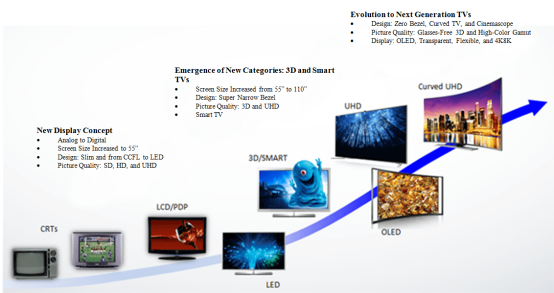
These upgrades prove that FHD LCDs are not stagnant—they continue to evolve alongside market demands.
When FHD LCD Display Is the Smart Choice
Choosing a display depends on application goals, not just pixel counts. For compact screens under 10 inches, energy-efficient devices, or high-volume production runs, FHD LCD displays remain the optimal choice. The real question is not whether they are outdated, but whether higher resolutions genuinely add value to the user experience.
Conclusion: A Proven Standard That Keeps Evolving
In 2025, the FHD LCD Display continues to stand as a balanced, cost-effective, and high-performing solution across multiple industries. Its blend of reliability, brightness, and clarity ensures it remains a preferred choice for smart terminals, automotive dashboards, and industrial equipment.
At Easy Quick, we design and manufacture advanced LCD, IPS, and FHD display modules that meet the latest market demands while ensuring long-term stability and visual excellence.
If you’re looking for a reliable FHD LCD display or a customized visual solution for your next-generation device, connect with Easy Quick — let’s bring your ideas to life with the power of precision and clarity.