
When we look at our phones, tablets, auto defenses, or indeed home appliances, we generally don’t suppose much about the type of screen we’re using. But one of the most common and dependable screen technologies moment is the IPS TFT LCD display, known for giving clear colors and stable viewing angles. This composition explains what an IPS TFT LCD display is, how it works, why it looks better than numerous other screen types, and where you’ll generally find it.
1. Understanding the Basics of an IPS TFT LCD Display
- What Exactly Is an IPS TFT LCD display?
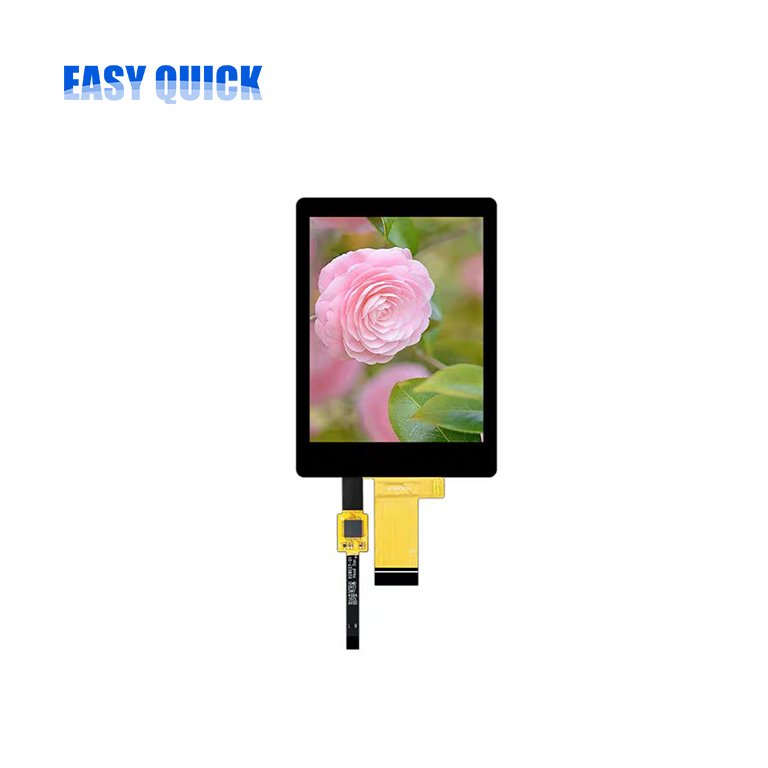
An IPS TFT LCD display combines two technologies, IPS( In- Aeroplane Switching) and TFT(Thin-Film Transistor). IPS affects how the liquid chargers move, while TFT controls each pixel on the screen. In simple terms, an IPS TFT TV display uses liquid chargers that move sideways rather than over and down, helping the screen show more accurate colors and keep the picture stable indeed when viewed from the side.
- Why IPS Makes the Screen Look More
With a regular TV screen, the colors may look washed out when you view it from a different angle. But an IPS TFT LCD display keeps the colors harmonious because the chargers stay in the same plane when they rotate. This is why phones, tablets, and auto displays frequently use the IPS TFT TV display — no matter how you cock the device, the picture still looks clear.
- The significance of TFT in ultramodern Displays
The TFT subcaste in an IPS TFT TV display uses bit-sized transistors to control each pixel independently. This lets the screen respond presto when you tap it or when images move snappily. Thanks to TFT, the IPS TFT LCD display feels smooth when watching vids, scrolling through apps, or using touch features in a pavilion or artificial machine.
2. How an IPS TFT LCD Display Actually Works
(1) The Journey of Light Through the IPS TFT LCD display
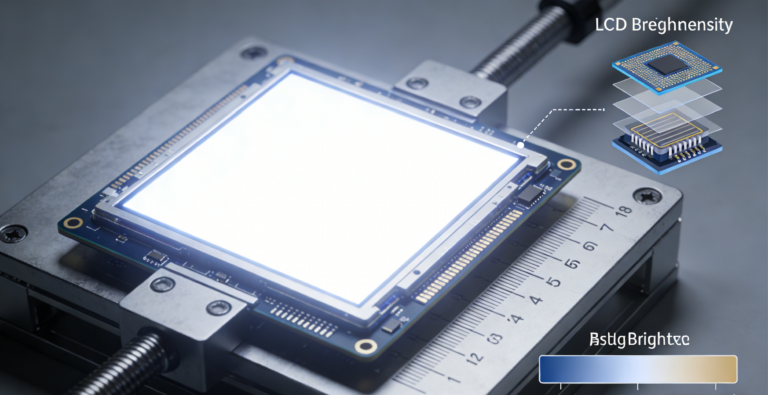
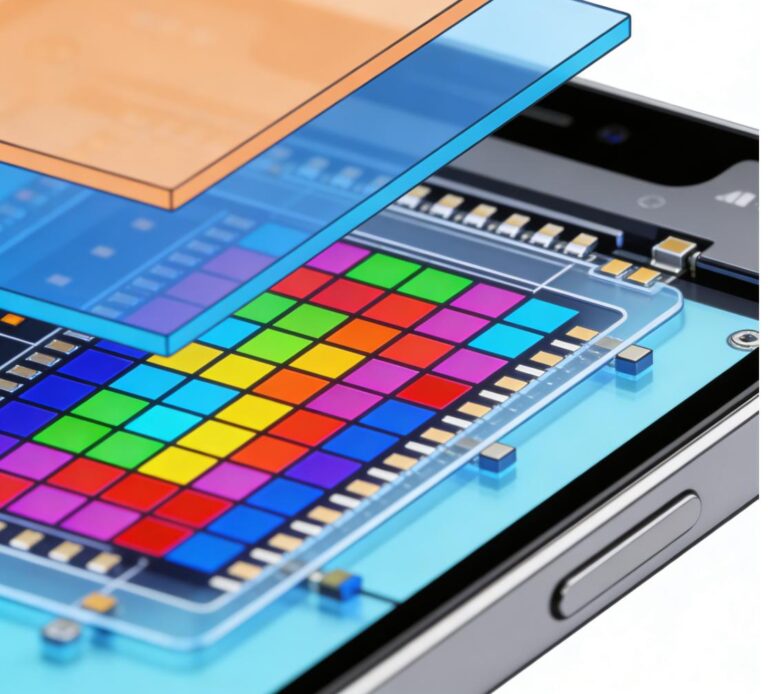
Inside every IPS TFT LCD display, a backlight shines through several layers. These layers include pollutants, polarizers, liquid chargers, and the TFT circuit subcaste. The chargers acclimate their angle to let more or less light pass through, creating the images we see. Because the IPS TFT LCD display uses chargers that rotate horizontally, the light passes unevenly, making the picture look stable and invariant.
(2) The Layers Inside the Display
To understand an IPS TFT LCD display, imagine it as a precisely arranged sandwich
- Backlight: Provides the main light source for the screen.
- Optic flicks: Distribute the light unevenly so no part of the IPS TFT LCD display looks lustrous or darker.
- Liquid Crystal Layer: Controls how much light passes through each pixel.
- TFT Subcaste: Uses transistors to switch pixels on and off precisely.
- Color Filter: Creates the red, green, and blue colors that make up the images. Each subcaste works together to ensure the IPS TFT LCD display looks clear, varied, and harmonious at all times.
(3) Why the Sideways Movement of IPS Matters
Unlike other TV types, the IPS chargers don’t twist vertically. Rather, they rotate horizontally. This simple difference is what makes an IPS TFT LCD display much more stable when viewed from different angles. It also prevents common issues like color changes or dark spots when tipping the screen.
3. Crucial Advantages of IPS TFT LCD Display
- Natural and Accurate Colors
One of the main reasons druggies and manufacturers love the IPS TFT LCD display is its capability to show natural, realistic colors. Whether you’re editing prints, watching vids, or reading a textbook, the IPS TFT LCD display maintains accurate color representation.
- Comfortable Viewing from Any Angle
An IPS TFT LCD display has viewing angles up to 178 degrees. This means you can look at the screen from the side, below, or over, and the content still appears the same. This is especially useful in bias like auto dashboards, tablets, or smart displays that people view from different positions.
- Stable Image Quality
Indeed, under strong light or at different angles, the IPS TFT LCD display doesn’t distort the picture. The screen maintains steady brilliance and discrepancy, making it more dependable for professional operations and daily use.
- Works Well with Touchscreen Systems
Because the face of an IPS TFT LCD display is harmonious, touch responses are smooth and precise. This makes the technology ideal for smartphones, ATMs, POS systems, artificial control panels, and smart home bias.
- Long-Lasting Performance
IPS and TFT technologies both offer strong stability. As a result, an IPS TFT LCD display can run for long hours without showing major wear and tear or picture issues, making it suitable for diligence where the screen needs to be on constantly.

4. Common Operations of IPS TFT LCD Display
- Smartphones, Tablets, and Laptops
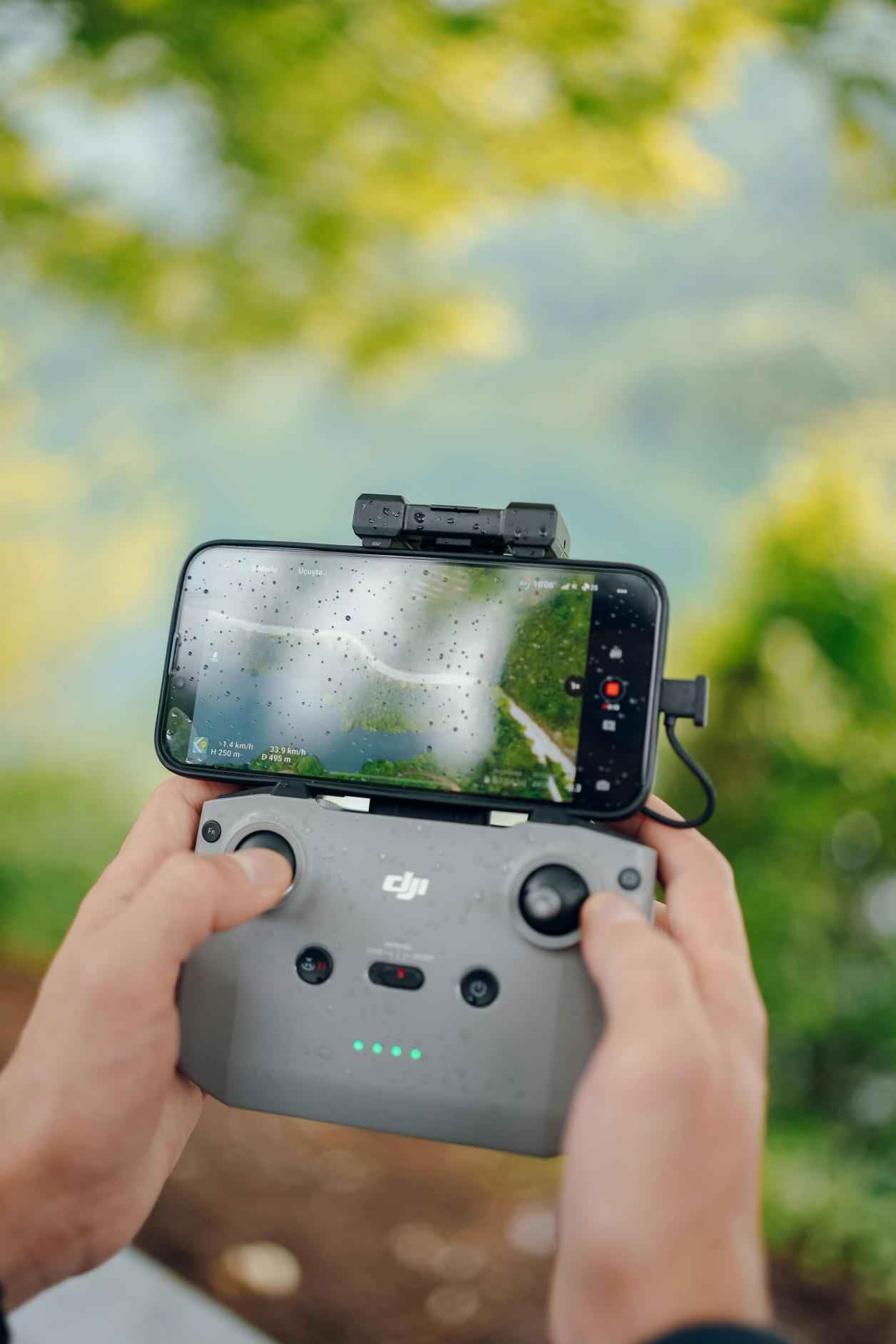
Numerous handheld widgets use an IPS TFT LCD display because it’s easy on the eyes, versatile, and bright enough for diurnal use. The wide viewing angles make vids and prints look good indeed if further than one person is watching.
- Industrial Control Panels
Manufactories and shops frequently use HMI panels that use an IPS TFT LCD display. The clear illustrations and strong continuity allow workers to cover machines directly, indeed, from different positions.
- Automotive Dashboards and Car Defenders
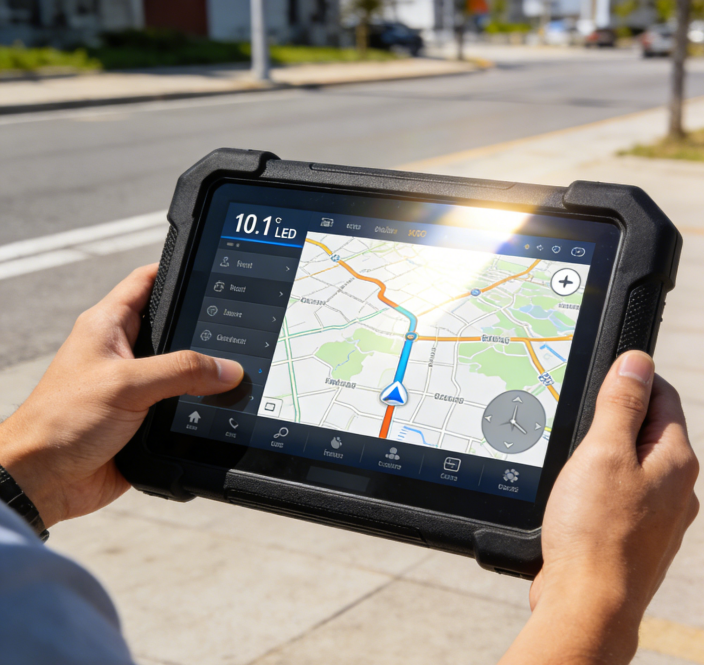
ultramodern buses use an IPS TFT LCD display for instrument clusters, center consoles, and hinder entertainment systems. The display maintains visibility under the sun, which is pivotal for safe driving.
- Smart Home and IoT Products
From smart fridges to home control panels, the IPS TFT LCD display helps users interact with bias more comfortably by furnishing clear icons and stable touch functionality.
5. Specialized Factors to Know About IPS TFT LCD Display
- Resolution and Sharpness
The clarity of an IPS TFT LCD display depends on how numerous of pixels it has. Advanced resolution means sharper images. Whether it’s HD or 4K, the IPS TFT LCD display handles the pixels with great thickness.
- Brilliance and Outdoor Visibility
Numerous IPS TFT TV display models offer strong brilliance, making them readable under indoor lighting and occasionally outside. This is why they’re generally used in vehicles and outdoor alcoves.
- Response Time
The response speed in an IPS TFT TV display determines how snappily pixels change color. Modern IPS panels have better pixels, making robustness and vids look smoother.
- Power operation
Although an IPS TFT LCD display uses slightly more power than some other screen types, new LED backlights greatly reduce energy consumption while keeping image quality high.
Conclusion
IPS TFT LCD displays have become one of the most reliable screen technologies. Their fine color reproduction, wide viewing angles, and stable image quality make them suitable for a wide range of applications, including consumer electronics, industrial control systems, automotive, and smart home devices. With continued technological advancements, IPS TFT LCD displays will remain a trusted choice due to their balanced performance in terms of quality, durability, and visual comfort.