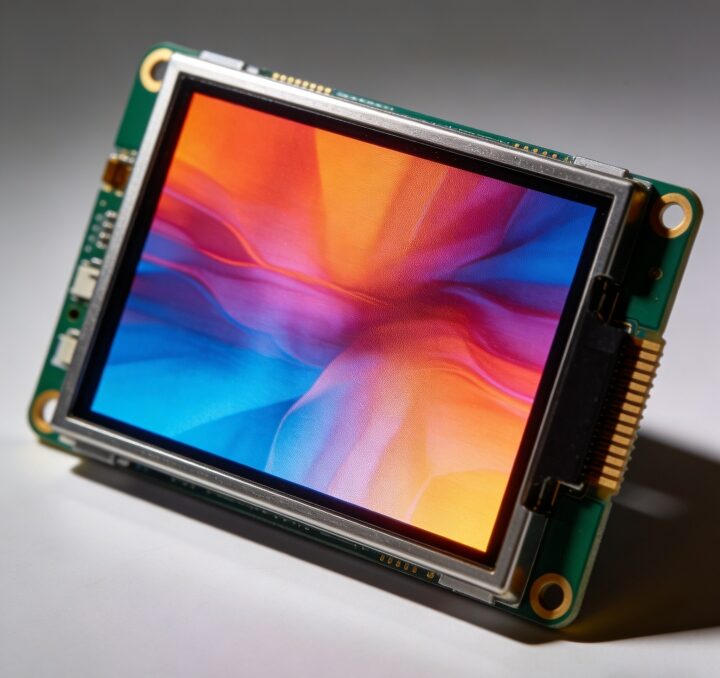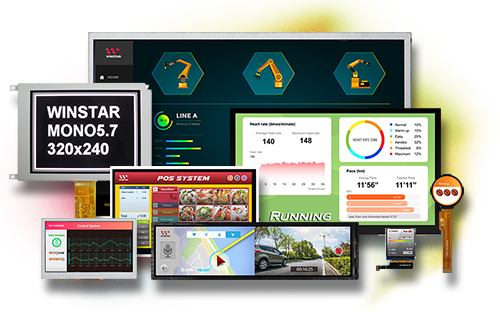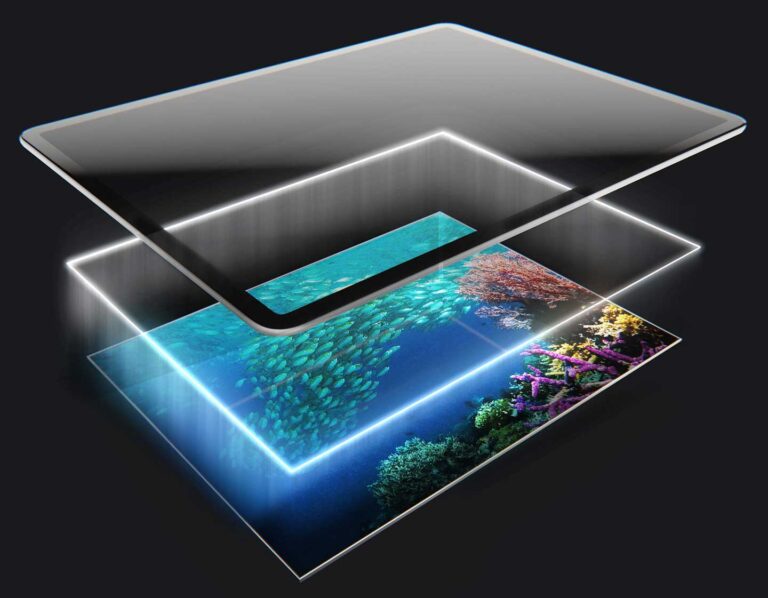


Understanding the distinctions between IPS TFT technologies is essential for looking to select the most suitable display. Both TFT( Thin Film Transistor) and IPS( In- Aeroplane Switching) displays are extensively used in ultramodern electronic bias, including smartphones, tablets, laptops, and artificial touch panels. While TFT technology provides a cost-effective result with decent performance, IPS displays are preferred for superior color delicacy and wider viewing angles. Grasping the differences between IPS TFT types helps consumers and professionals make informed choices, achieving optimal visual experience and device effectiveness. This composition explores the differences, advantages, and ideal operations of these IPS TFT display types.
1. TFT Displays: Definition, Structure, and Properties
(1)Definition and Basic Structure
TFT (Thin Film Transistor) LCD refers to an active-matrix LCD that controls each pixel through thin-film transistors. Each pixel is controlled by one or more transistors, allowing faster response times and improved image quality compared to passive-matrix displays. Their structure supports various device sizes, from handheld gadgets to industrial touch panels, making them versatile in modern electronics.
(2)Advantages of TFT Displays
- High Refresh Rate: TFT displays refresh quickly, making them ideal for interactive devices, videos, and gaming.
- Cost Effectiveness: The production of TFT display panels tends to be more cost-effective.
- Luminance: The display screens are known to be brighter. This makes them more visible in brighter ambient conditions. The screen’s brightness
- Accessibility: Mature manufacturing technologies make TFT displays more accessible in different applications.
(3)Limitations of TFT Displays
- Viewing angles: The colors and contrast are not good when viewed from an angle. This has been observed in the weaker TFT displays.
- Reproduktion von Farben: Die Genauigkeit der Farbrenderung fängt nicht so genau wie das IPS-Panel ein und kann insbesondere bei der Grafik
- Energy Efficiency: Some TFT panel layouts are less power-efficient compared to other advanced technologies like IPS.
2. IPS Display Screens: Definition, Structure, and Attributes
(1)Definition and Structure
IPS (In-Plane Switching) is a type of LCD technology developed to improve the weaknesses of TFT displays. In IPS panels, liquid crystals align parallel to the display plane, reducing color distortion and maintaining consistent brightness. Within the context of IPS TFT technologies, IPS displays are essential for applications that demand accurate colors and stable visuals, such as high-end smartphones and professional monitors.
(2)Advantages of IPS Displays
- Wide Viewing Angles: IPS displays maintain color consistency across broad angles, making them preferred in IPS TFT solutions for shared viewing.
- Accurate Color Reproduction: Essential for photo editing, graphic design, and meal imaging using IPS TFT
- Better Image Stability: Maintains clarity over time, a critical factor in long-term IPS TFT device use.
- Improved visual comfort: Colors do not strain the eyes.
(3)Limitations of IPS Displays
- Cost: IPS panels tend to be more costly compared to other TFT panels.
- Power consumption: The IPS display may use slightly more power, especially in higher levels of brightness.
- Response Time: The response rate of the IPS panels is slightly lower compared to TFT panels. The response rate may create problems in applications requiring high

3. Equivalent Evaluation – TFT vs. IPS
Feature | TFT Display | IPS Display |
| Viewing Angle | Narrow; colors degrade off-center | Wide; minimal color shift across IPS TFT angles |
| Color Accuracy | Moderate | High; ideal for professional IPS TFT tasks |
| Response Time | Fast; suitable for gaming | Slightly slower; stable in IPS TFT applications |
| Cost | Lower, budget-friendly IPS TFT choice | Higher investment for accuracy and color |
| Brightness | High | Moderate to high; consistent in IPS TFT devices |
| Energy Consumption | Lower | Slightly higher; varies by IPS TFT configuration |
| Typical Applications | Budget devices, POS systems, and basic industrial panels | Smartphones, tablets, professional monitors, and design-focused IPS TFT devices |
| Durability | Adequate | Stable over long-term IPS TFT use |
Overall, this comparison highlights how each technology supports different visual needs. Understanding these distinctions helps users choose the most suitable IPS TFT solution for their specific device requirements.
4. Application Guidance: Choosing Between TFT LCD and IPS LCD
(1)When to Choose TFT LCD
TFT LCDs are suited for devices that prioritize cost-effectiveness, fast response, and high brightness. These panels offer stable performance for everyday usage and remain a practical option for many entry-level applications. Examples include:
- Point-of-Sale (POS) Terminals: These systems require fast and accurate display responses for transaction-oriented interactions.
- Basic tablets: Designed for general tasks, these devices focus on essential functions while maintaining relatively low prices.
- Low-cost monitors: Ideal for scenarios where extremely precise color representation is not the primary concern.
(2)When to Select IPS TFT
The choice of IPS TFT panels becomes advantageous in devices demanding wide viewing angles, enhanced color performance, and stable image quality. IPS TFT displays deliver consistent visuals, making them suitable for environments where multiple users view the screen simultaneously or where accurate color reproduction is critical. Examples include:
- High-end smartphone applications: These require rich color expression and dependable viewing consistency.
- Graphic tablets and design monitors: Used in professional workflows where precise and reliable color accuracy is essential.
- Industrial touch panels: Applied in scenarios with multiple viewers, ensuring clear and stable visibility across different angles.
5. Why Choose Easy Quick
Easy Quick, established in 2006, specializes in integrated touch display modules ranging from 0.96 inches to 15.6 inches. As a global solution provider, Easy Quick offers competitive display products, technologies, and solutions to leading industry clients.
- Solutions Provider
Easy Quick delivers integrated touch intelligent display solutions, helping clients simplify product development and manufacturing processes.
- Development Direction
Focusing on all kinds of display screens and touchscreens, Easy Quick is also advancing in naked-eye 3D and virtual displays as strategic growth areas.
- Global Reach
Easy Quick supply displays for smartphones, POS systems, wearable devices, smart homes, sports equipment, and industrial control applications, serving over 1500 clients in more than 50 countries.
6. Conclusion
Understanding the differences between IPS TFT displays is crucial for selecting the right display technology. TFT displays offer cost-effective, bright, and fast solutions, while IPS displays excel in color accuracy and wide viewing angles. Considering device usage, performance needs, and budget ensures the optimal IPS TFT choice. Contacting a trusted supplier like Easy Quick guarantees access to comprehensive solutions for a wide range of applications, helping users achieve better display performance and improved long-term reliability.