
Understanding the Basics of FHD vs IPS
When comparing FHD vs IPS, it’s important to understand that these two terms refer to different aspects of display technology. FHD (Full High Definition) defines the resolution—1920×1080 pixels—representing how many pixels a screen can show. The higher the pixel count, the clearer and sharper the image. On the other hand, IPS (In-Plane Switching) refers to a type of LCD panel technology that determines how light and color are displayed from different viewing angles.
In simple terms, FHD affects how much detail you can see, while IPS determines how accurately and consistently those details are shown across the screen. The best display modules often combine both FHD resolution and IPS technology to deliver clarity and visual depth.
FHD vs IPS: Display Quality Comparison
1. Resolution and Clarity
An FHD screen contains more than 2 million pixels (2.07 MP), allowing for fine image details and smooth text rendering. For industrial displays, vehicle dashboards, or smart home panels, this resolution provides a clear and precise interface without pixelation. However, resolution alone doesn’t ensure good visuals—an FHD screen with a poor panel can still look dull or distorted from certain angles.
2. Color Accuracy and Contrast
This is where IPS displays outperform traditional TN or VA panels. IPS panels typically offer color accuracy within ΔE < 2 and can cover 90–100% of the sRGB color gamut, which makes them ideal for devices that require precise visuals—such as smart terminals, medical monitors, and high-end IoT screens. FHD screens with IPS technology combine both clarity and color richness, ensuring that visuals remain lifelike even under bright environments.

3. Viewing Angle and Consistency
IPS panels provide up to 178° horizontal and vertical viewing angles, ensuring consistent brightness and color from any direction. Standard FHD displays with non-IPS panels often show color shifting or fading when viewed from the side, which is unacceptable in automotive displays or outdoor applications.
Performance and Energy Efficiency
In the FHD vs IPS comparison, performance metrics extend beyond visuals.
Response Time: Typical IPS modules deliver 8–12 ms response time, which is slightly slower than TN panels but sufficient for smart dashboards, handheld devices, or control systems.
Brightness: Easy Quick’s IPS modules can reach 800–1200 nits, maintaining visibility even under direct sunlight.
Power Consumption: FHD displays with high brightness may consume 15–20% more power, but modern backlight control and driver IC optimization help balance performance and efficiency.
These figures demonstrate that modern IPS-based FHD modules achieve strong visual performance while maintaining reasonable power control, suitable for industrial and consumer-grade applications.
Applications: Choosing Between FHD and IPS
Smart Terminals and IoT Devices
For portable or connected devices, users demand both clarity and stability. An FHD IPS module ensures smooth text, vivid icons, and consistent color regardless of viewing direction. This is why Easy Quick integrates FHD+IPS combinations into display modules used in smart terminals and IoT control panels.
Automotive and e-Bike Displays
Drivers require screens that remain readable in daylight and at wide angles. IPS panels with high-brightness FHD resolution enhance safety and visibility in vehicle dashboards or e-bike clusters, even under vibration or sunlight.
Home Automation and Industrial Control
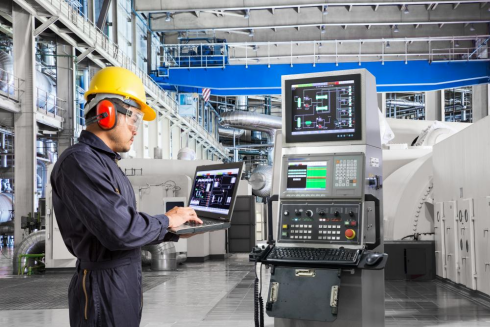
FHD resolution allows for detailed interface design, while IPS guarantees stable color for long-term operation—essential for professional-grade control systems or smart home touch panels.

Beyond FHD vs IPS: Why Not Both?
The question isn’t always “FHD or IPS,” but rather how to integrate both technologies effectively. Combining them results in displays that deliver:
Sharp resolution (1920×1080 or higher)
Accurate colors and wide viewing angles
Durability for 24/7 industrial use

At Easy Quick, we specialize in designing and manufacturing display modules that unite FHD clarity with IPS stability. From 6.86-inch to 15.6-inch display sizes, our modules meet the needs of smart devices, automotive systems, and industrial equipment—ensuring that every pixel performs with precision.
Conclusion: FHD vs IPS—The Perfect Match for Modern Displays
In the ongoing discussion of FHD vs IPS, it’s clear that both serve different but complementary purposes. FHD provides sharpness and resolution detail, while IPS enhances viewing angles and color accuracy. When combined, they create a superior display experience ideal for modern devices.
If your next-generation product demands both visual excellence and long-term stability, consider Easy Quick’s range of FHD IPS display modules—built to perform with clarity, consistency, and confidence.