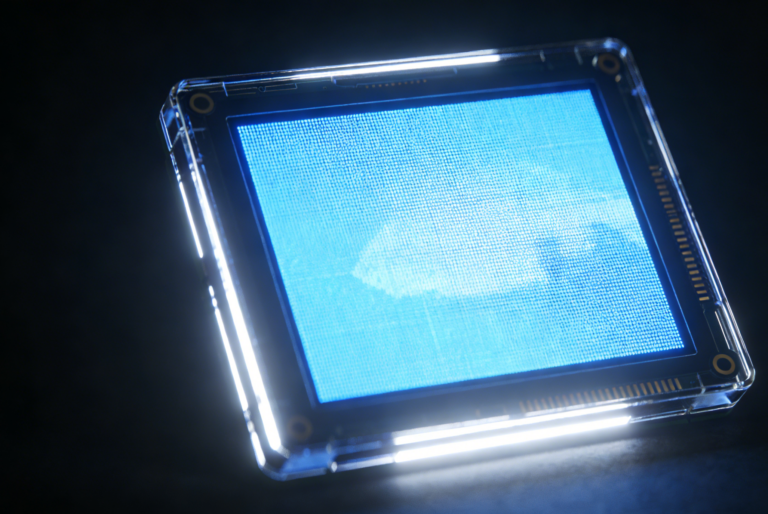

The mini TFT display has emerged as an integral ingredient in modern portable technology devices. This is due to the constant miniaturization of technology products despite their increased functionalities.
This article discusses the range of sizes for mini TFT display technology and the difference between these and those for medium and large display technologies. These small display technologies have found application in various devices like smart watches and small smartphones.
What is a Mini TFT Display?
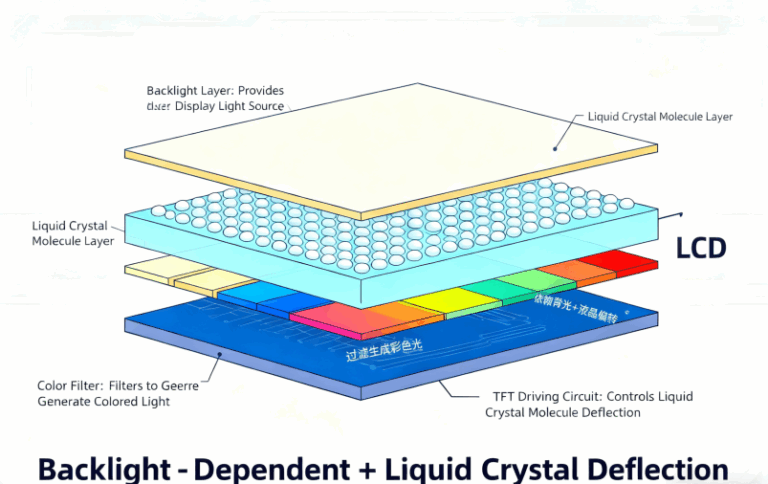
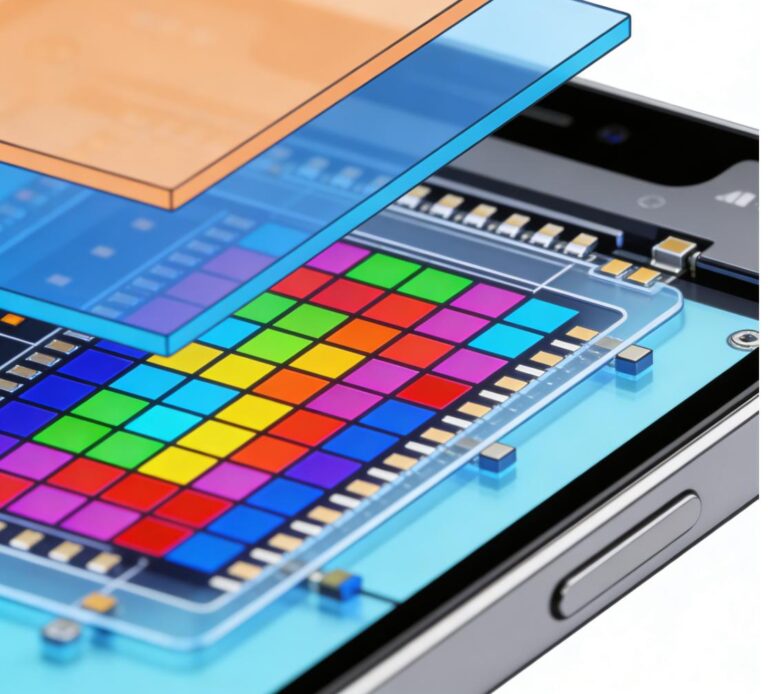
A mini TFT display can be defined as a thin-film transistor LCD, which ranges in terms of diagonal measurements from 0.9 inches to 2.0 inches. Since the measurements range between .9 and 2.0 inches, it is labeled “mini” since it will be used within an appliance that has very limited space but still demands a color display.
Contrary to the monochrome segment display, the mini TFT supports:
- True RGB color support
- Icons, text, and simple graphics
- Custom user interfaces
This makes mini TFT display modules ideal for use in modern electronic devices that require a clear visual display as well as compact designs.
Typical Size Range for Mini TFT Displays
In the mini TFT display technology, the size of the products that can be made generally lies within a specific range. They come in the following diagonal measurements:
- 96 inch to 1.0
- 1 inches to1.3 inches
- Up to about 2.0 inches
Screen sizes below 1 inch are common in highly portable wearables, while those around 2 inches are found in slightly larger handheld or embedded systems.
What is crucial here is that mini TFT display is not necessarily defined in terms of size, but rather in terms of function – providing visually clear output in limited space.
Resolution And Pixel Density In Mini Sizes
As the mini TFT screen is observed from a short distance, its pixel density becomes a critical factor in determining the sharpness of the image, regardless of the resolution it supports. Even a small screen can be sharp if the resolution is appropriate to the size of the screen.
Common resolution measurements for mini TFT screens include:
- 80×160 pixels, found in highly compact displays
- 128×128 pixels; commonly used for square pages
- 135×240 pixels, often used in narrow vertical resolutions
Higher pixel density is helpful for keeping texts and icons clear, which is important for wearables as the screen is right in front of a user’s eyes.
To comprehend the connection between the display size and resolution, let’s examine some of the mini TFT display lines of EasyQuick:
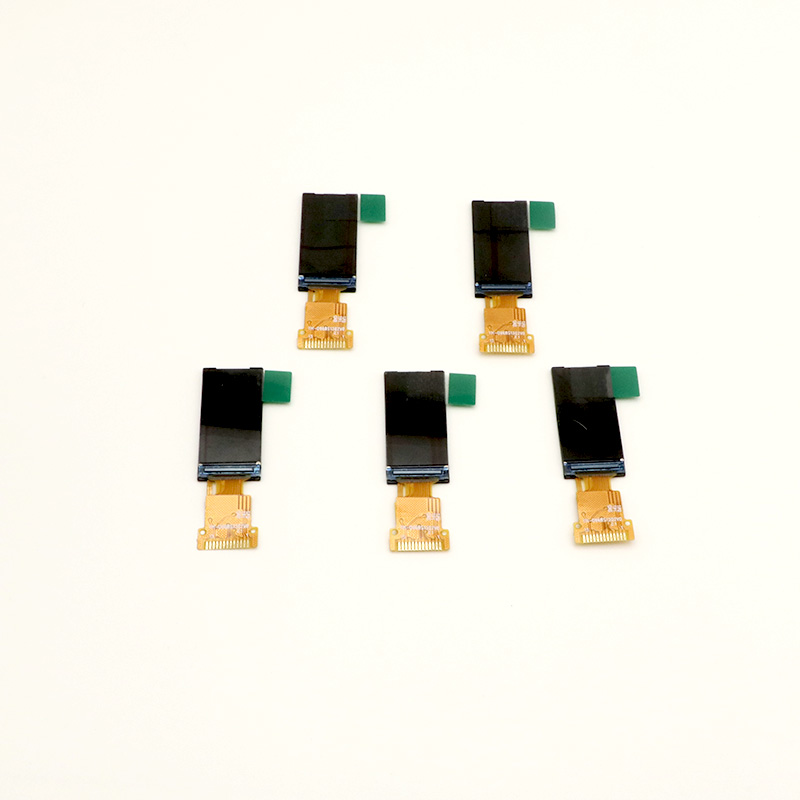
One of their designs is the 0.96-inch TFT LCD Display, boasting an 80×160 resolution. The screen is perfectly tailored for mini and wearable gadgets and is consequently an Ultra-Compact display;Another is the 1.15-inch TFT LCD Display, boasting an improved resolution of 135×240 pixels.
How Mini Displays Compare with Medium TFT Displays
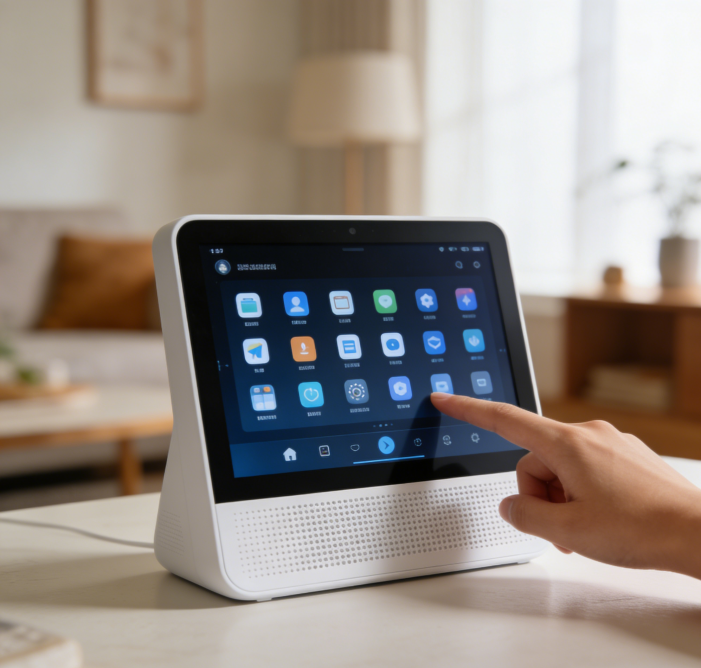
In order to fully grasp the mini TFT displays market, a brief examination of the medium displays market is helpful as a sort of baseline. The display screen in medium TFT usually measures between 2.4 and 5 inches. Such display screens can be found in:
- Handheld terminals
- Smart home controllers
- Portable measurement equipment
Compared to the display in a mini TFT device, a medium display has larger viewing zones and more pleasurable touch experiences. But for such displays, more space, power, and device size are required.
In wearable or ultra-small devices, a mini TFT screen is usually the only available option.
Comparison Between Mini Displays And Full TFT Displays
Large TFT display screens usually start from 7 inches and above, and they commonly appear in:
- Control boards – industrial applications
- Vehicle dashboards
- kiosks and self-service terminals
These displays are meant for long-distance viewing and complex UIs. A mini TFT screen, on the other hand, is used for close-field viewing and basic information.
The variation comes not only in size but in design intent. While a mini-TFT screen promotes easy access to information and simple user interface interactions, larger screens facilitate extensive usage and contents.
General Application Examples of Miniature TFT Displays
Miniature TFT screens find extensive usage when the display size, weight, and power requirements assume importance.
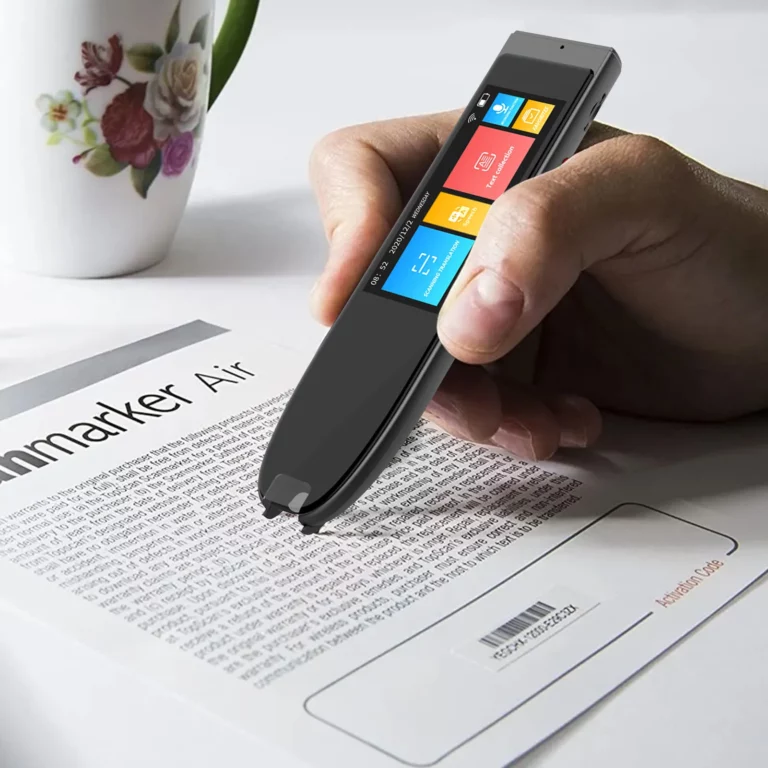
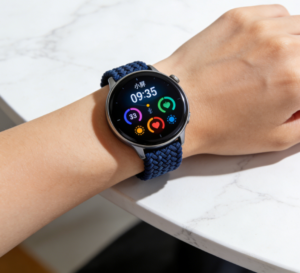
One of its most popular applications can be found in wearable technology, like smart watches or fitness trackers. In such devices, the mini TFT display displays time, alerts, health-related information, as well as basic animations without consuming battery life rapidly.
Another use of this display technology is in compact smart devices, such as small IoT controllers, portable sensors, and handheld tools. These typically require a display for status and settings, or for interaction, but not enough space for an LCD display.
In each of these instances, the objective is to achieve a beneficial visual effect while using a compact and efficient device.
Designers need to take into:
- Capacity available with in the device
- Viewing distance and angle
- The data mentioned
- Density of required information
Through choosing a mini TFT display within the specified appropriate range, it is possible to strike a balance between usability and compact design.
Conclusion
The size of a typical mini TFT usually measures from 0.9 inches to 2.0 inches, thus applicable in wearables and small smart devices. With the advancement in small electronics, the mini TFT will continue to play an important part in product design.