
Introduction
In the rapidly evolving world of display technology, both standard LCD modules and glasses-free 3D display modules play vital roles. While standard LCD modules provide stable, clear, and energy-efficient visual output for everyday devices, 3D displays offer an immersive and interactive visual experience that brings images to life—without the need for glasses.
This article explores the working principles, advantages, and applications of both display types, helping you choose the best solution for your product.
Working Principle of Standard LCD Modules
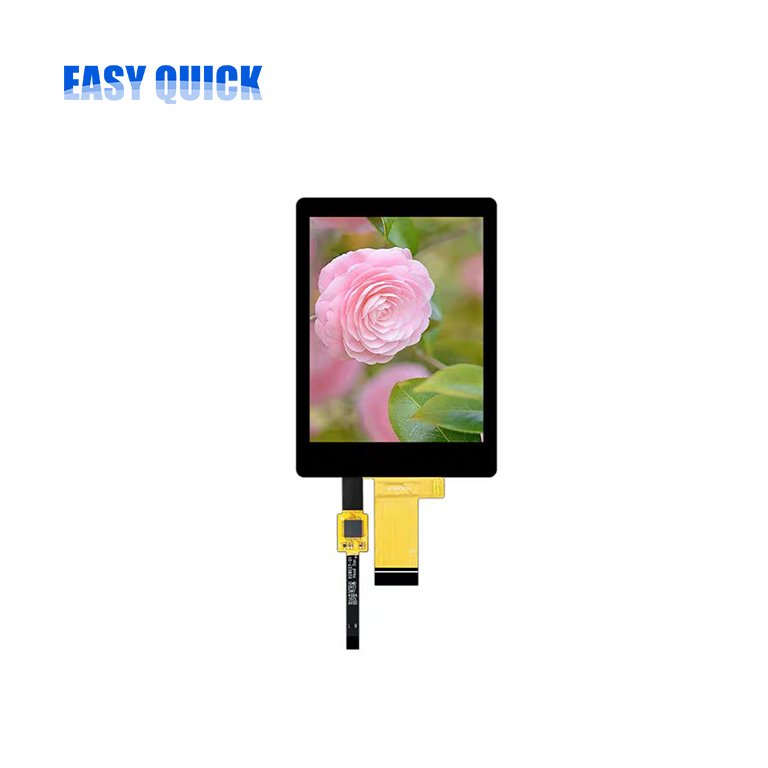
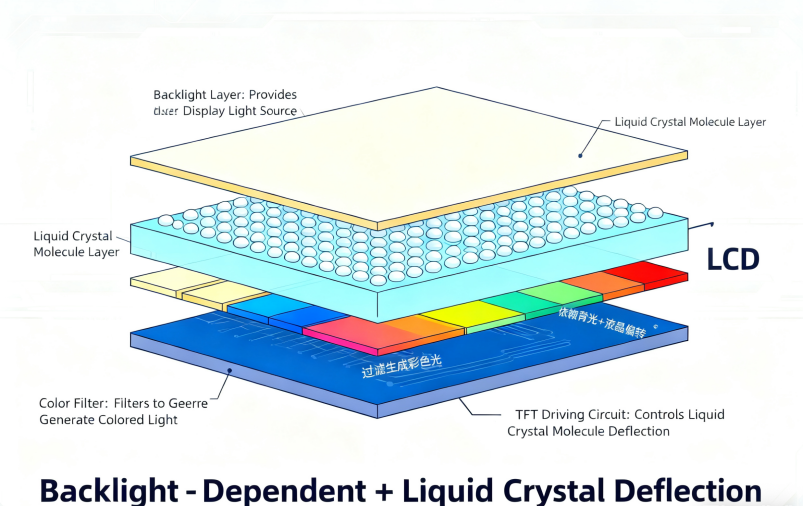
A standard LCD module consists of a liquid crystal panel, driver circuitry, and a backlight system. It works by controlling the orientation of liquid crystal molecules under an electric field to modulate light transmission and form images.
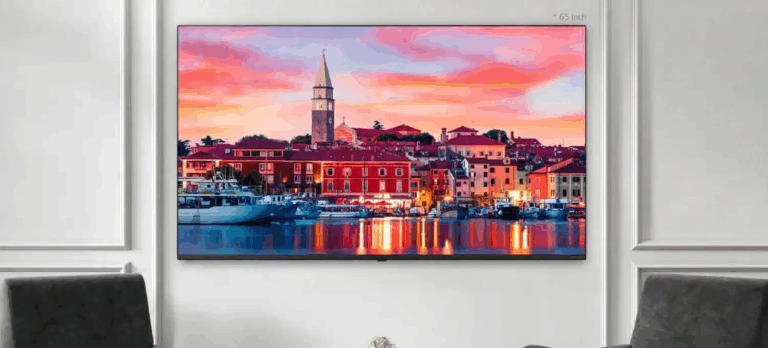
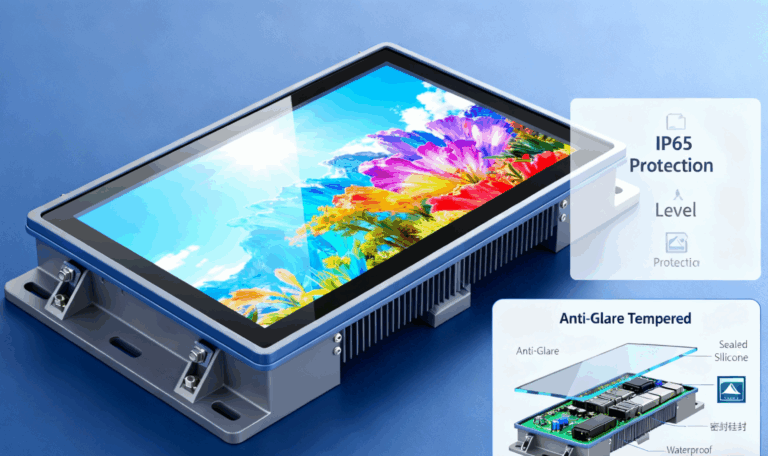
LCD modules are designed for versatility—used in devices from industrial control panels to consumer electronics. They offer excellent color accuracy, reliability, and long service life. The integrated backlight ensures stable brightness, while optional reflective or transflective layers improve visibility under sunlight.
Advantages of Standard LCD Modules:
High image stability and color accuracy
Mature technology with stable supply chain
Energy-efficient and cost-effective
Suitable for a wide range of devices and environments
Working Principle of Glasses-Free 3D Display Modules
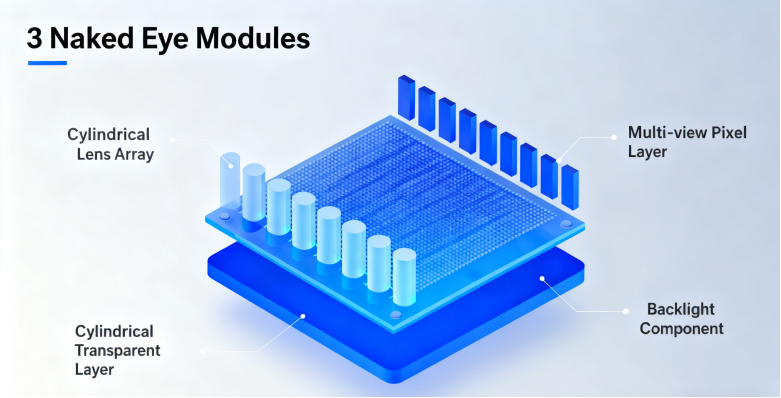
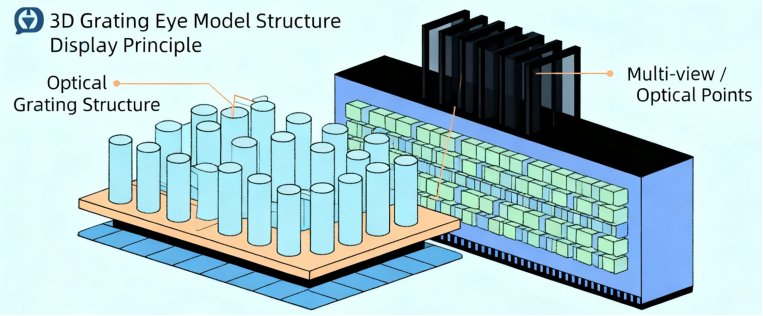
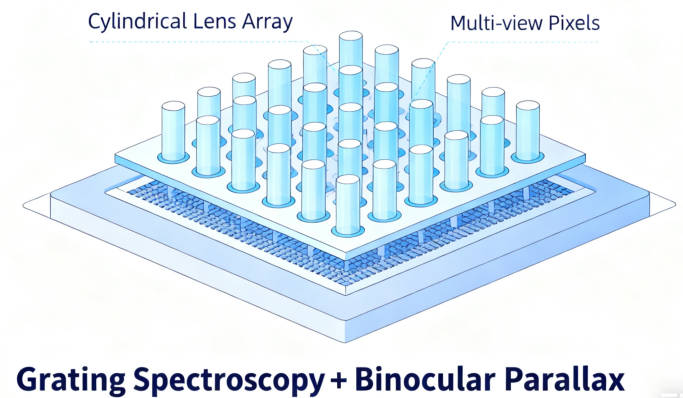
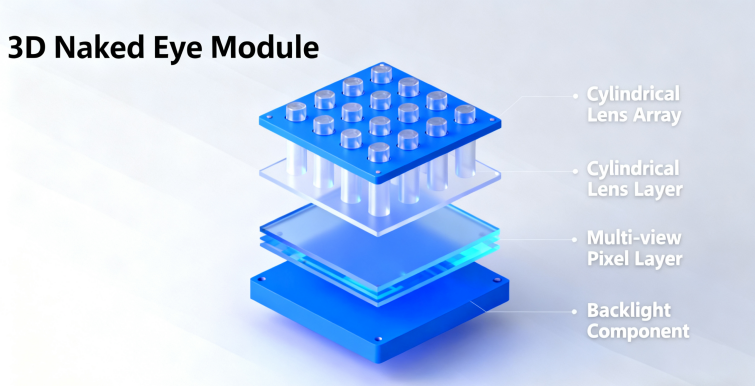
Glasses-free 3D display technology introduces a new level of visual depth without requiring external eyewear. EasyQuick’s 3D display modules use advanced parallax barrier or lenticular lens structures to direct different images to each eye, creating a realistic sense of depth and space.
This innovation transforms the viewing experience, making it ideal for advertising, exhibitions, medical visualization, and next-generation interfaces.
Advantages of Glasses-Free 3D Displays:
Realistic, immersive 3D visual effects
No glasses required for viewing
High attention-grabbing power for commercial use
Enhances user engagement and brand experience
Application Areas of Standard and 3D Display Modules
Standard LCD Modules are widely used in:
Industrial Equipment: Control panels, measuring instruments, and automation systems
Automotive Displays: Dashboard screens, navigation systems, and infotainment interfaces
Home Appliances: Smart home control panels and household devices
Medical Equipment: Diagnostic monitors and portable devices
3D Display Modules are ideal for:
Advertising & Exhibitions: Eye-catching, dynamic displays for marketing
Education & Training: Interactive 3D visualization for learning
Entertainment Systems: Gaming consoles, kiosks, and multimedia terminals
Medical Visualization: 3D imaging and surgical simulation
Comparison Table: Standard vs. 3D Display
| Feature | Standard LCD Module | Glasses-Free 3D Display |
| Display Type | 2D planar display | 3D depth display |
| Viewing Experience | Flat, stable visuals | Immersive, multi-dimensional |
| Brightness | High, uniform | Slightly reduced due to optical structure |
| Power Consumption | Low | Moderate |
| Technology Maturity | Highly mature | Emerging, innovative |
| Production Cost | Cost-effective | Higher due to optical design |
| Applications | Industrial, automotive, consumer | Advertising, exhibitions, education |
| User Interaction | Passive viewing | Interactive, attention-grabbing |
Challenges and Future Trends
While standard LCD modules dominate most industrial and commercial fields due to their cost efficiency and reliability, glasses-free 3D displays represent the future of immersive visualization.
Current challenges include optimizing brightness, expanding viewing angles, and reducing manufacturing cost. However, with advances in optical materials and processing precision, 3D display technology is expected to achieve broader market adoption in the coming years.
Conclusion
Both standard LCD modules and 3D display modules demonstrate EasyQuick’s strength in display innovation.
Standard modules continue to serve as the reliable backbone for industrial and consumer applications, while 3D displays mark a leap toward the next generation of interactive visual technology.
At Shenzhen EasyQuick Technology Co., Ltd., we are committed to delivering cutting-edge display solutions—whether you need stable performance for industrial use or an eye-catching 3D experience for your next product.
Contact us today to explore custom solutions and discover how EasyQuick can help bring your vision to life.