
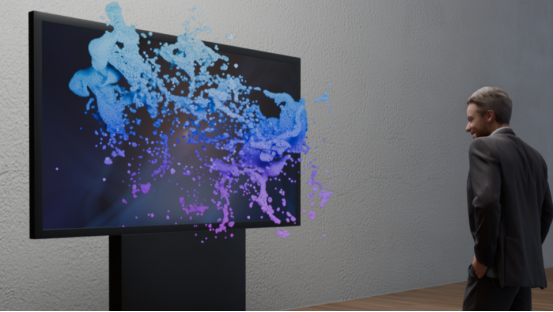
In recent years, glasses free 3D screens have become increasingly popular in consumer electronics, from smartphones to gaming monitors and digital signage. Unlike traditional 3D displays that require specialized glasses, glasses free 3D screens allow viewers to perceive depth naturally, providing an immersive experience without extra accessories. This article explores the principles, technologies, and applications of glasses free 3D screens.
Understanding Glasses Free 3D Screen Technology
A glasses free 3D screen, also known as an autostereoscopic display, creates the illusion of three-dimensional depth by directing different images to each eye. This is achieved through optical techniques that manipulate light at the pixel level.
Lenticular Lens Method
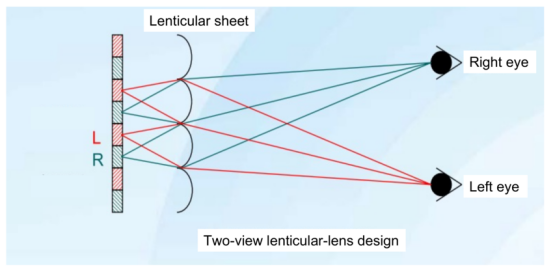
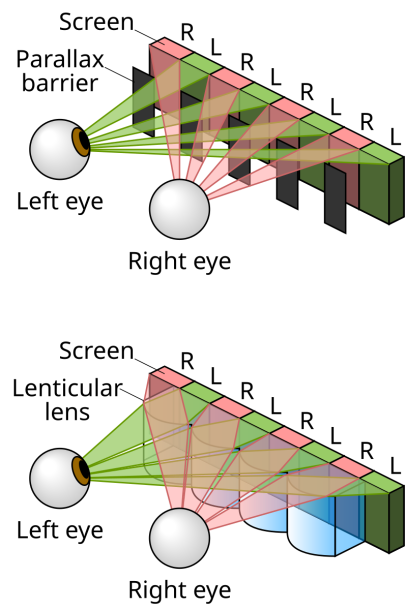
One common approach is the lenticular lens method. A lenticular lens sheet is overlaid on the screen, which consists of thousands of tiny cylindrical lenses. Each lens refracts light to display separate images to the left and right eyes.
Pixel density requirements: For a 5-inch glasses free 3D smartphone screen, a resolution of 1080×1920 pixels is typical, with each eye receiving approximately half the pixels.
Viewing angles: Optimal 3D effect is usually achieved within ±15 degrees horizontally. Beyond this, image crosstalk may occur.
Parallax Barrier Method
Another widely used technique is the parallax barrier method. A thin barrier with slits is positioned in front of the display. The slits block certain pixels from each eye, allowing each eye to see a slightly different image.
Effective resolution: Because each eye only sees part of the screen, effective resolution is halved compared to a standard 2D display. For instance, a 7-inch 1920×1080 display would effectively provide 960×1080 per eye.
Advantages: This method is easier to integrate into small screens and has lower manufacturing costs compared to lenticular lenses.
How Glasses Free 3D Screen Creates Depth
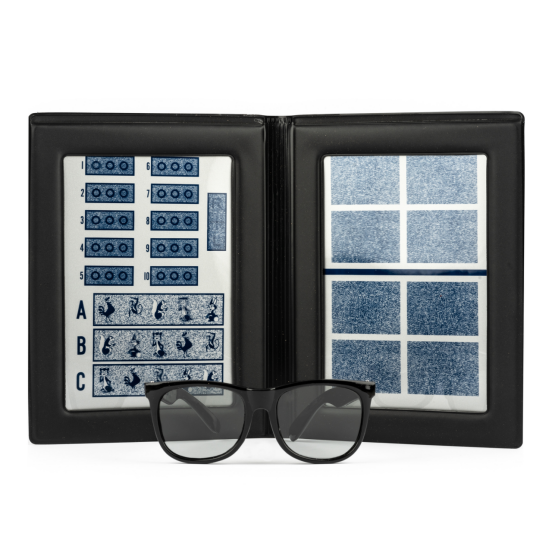
Depth perception on a glasses free 3D screen relies on stereoscopy, where the brain merges two slightly different images from each eye. This is similar to natural human vision, but simulated using controlled light paths.
Horizontal parallax: Most glasses free 3D screens rely on horizontal parallax only, meaning depth is perceived from left-right image differences.
Depth range: Modern displays can achieve a depth range of ±30% of the screen width, providing a realistic sense of foreground and background.
Crosstalk management: To prevent ghosting, manufacturers implement precise alignment of pixels and lenses, with tolerances often within 0.1 mm.
Applications of Glasses Free 3D Screen
Consumer Electronics
Smartphones, tablets, and portable gaming devices increasingly adopt glasses free 3D screens. For example, a 6-inch smartphone display can show 3D images at 60 frames per second, ensuring smooth motion for gaming and media consumption.
Digital Signage
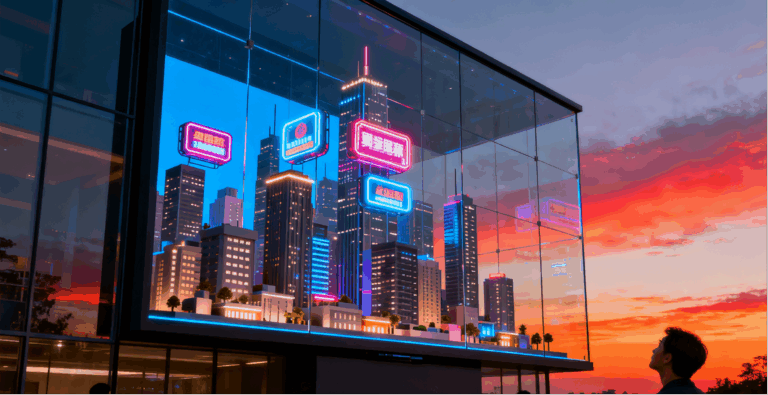
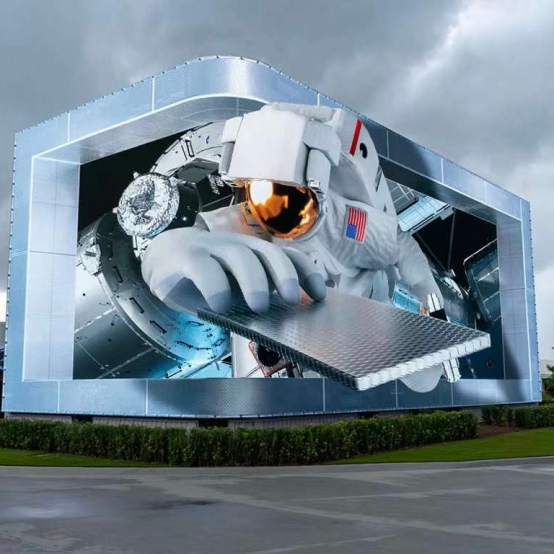
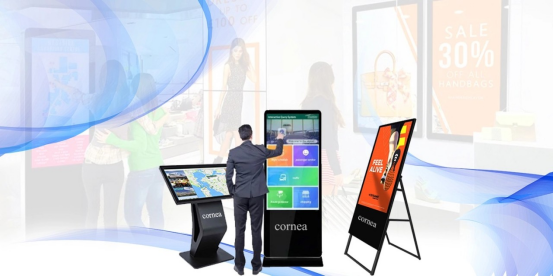
Large-scale 3D advertising boards use glasses free 3D screens to attract attention. High-brightness displays reaching 1000 nits are common, ensuring visibility in outdoor environments while maintaining depth perception.
Automotive and Industrial Displays
In automotive dashboards and industrial control panels, glasses free 3D screens improve safety and user experience by providing intuitive depth cues. For instance, a 10-inch vehicle dashboard screen with 3D navigation overlays allows drivers to quickly interpret complex information.
Easy Quick’s Glasses Free 3D Screen and Advantages
At Easy Quick, we specialize in high-quality glasses free 3D screens, serving various applications such as digital signage, TVs, and smart displays. Our product lineup includes:
7.9-inch glasses free 3D digital photo frames for personal and retail display.
27-inch, 32-inch, 65-inch, and 98-inch displays for advertising boards, commercial signage, and TVs.
Key Advantages
High resolution: Our displays reach up to 4K resolution for large screens, ensuring sharp 3D images across different sizes.
Wide viewing angles: Optimized lenticular and parallax designs allow comfortable viewing within ±20 degrees horizontally.
Vivid brightness: Outdoor displays can achieve up to 1200 nits, maintaining clear 3D effects in sunlight.
Smooth motion: Refresh rates up to 120 Hz provide fluid video and gaming experiences.
Flexible sizes and applications: From 7.9-inch digital frames to 98-inch signage, our solutions cater to diverse environments including retail, advertising, and home entertainment.
Compact and energy-efficient: Displays are thin (≤1.5 mm for smaller units) and low-power, ideal for both portable devices and large installations.
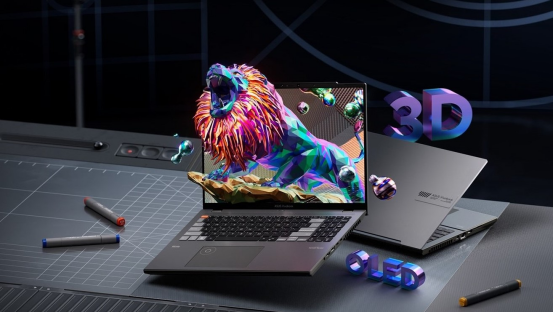
By combining precise optical engineering with advanced manufacturing, Easy Quick’s glasses free 3D screens bring immersive, high-quality experiences across multiple sectors, setting new standards in display technology.
Conclusion
A glasses free 3D screen transforms visual experiences by delivering stereoscopic images without the need for special glasses. Through lenticular lenses, parallax barriers, or proprietary technologies, these screens provide depth perception that mimics human vision. At Easy Quick, our high-resolution, wide-angle, and versatile 3D screens are applied in TVs, advertising displays, and digital signage, providing users with a truly immersive viewing experience.
Discover the future of 3D displays with Easy Quick – explore our glasses free 3D screens today and contact us to bring immersive 3D experiences to your products and projects.