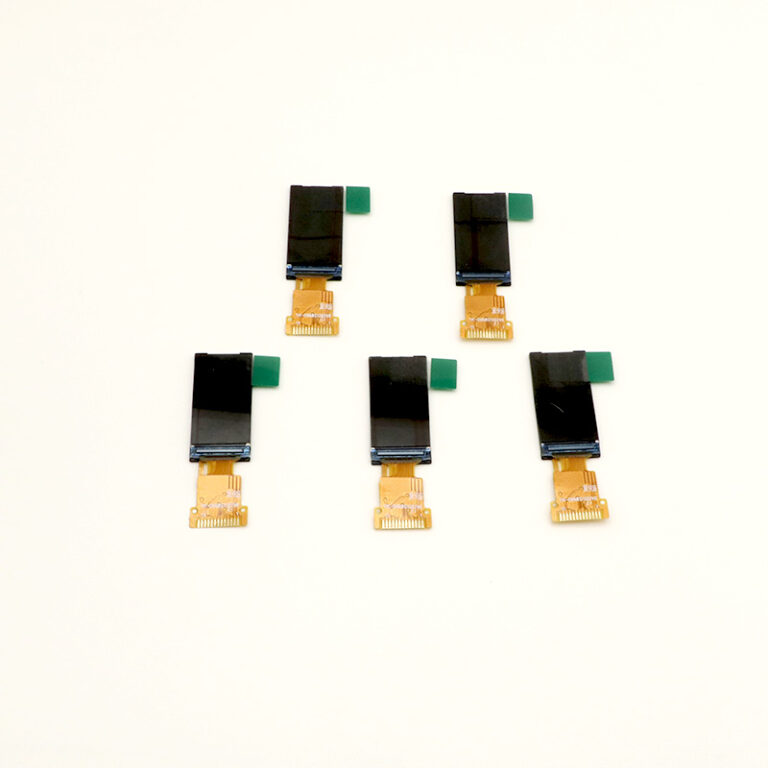

In the production and application of TFT displays (Thin Film Transistor Displays), color difference is a common issue that is difficult to completely eliminate. It refers to color inconsistencies between different displays, different areas of the same panel, or under varying operating conditions. In industrial, medical, and consumer electronics applications, color uniformity has a direct impact on visual quality and overall product performance.
Understanding the root causes of color difference is therefore essential for display manufacturers, system integrators, and end users. The following sections analyze the main factors affecting color difference in TFT displays, including backlight performance, materials, manufacturing processes, driving methods, and operating environments.
1. Backlight inconsistency
The TFT display does not generate light on its own. It requires a backlight to operate. Therefore, inconsistency in the backlight is one of the main reasons for color difference. Some of the main reasons for this are:
- Individual differences in LED brightness and color temperature: Although all the LEDs may have the same specifications and come from the same manufacturer, they are not all identical. There are natural variations that will always occur in the image produced by the screen.
- Differences in emission characteristics between LED batches: Variations in material formulation and process parameters between production batches can result in slight differences in brightness and color temperature.
- Uneven backlight distribution across the panel: Inadequate backlight structure design or inconsistent performance of light guide plates and reflective films can cause brightness and color differences between the center and edges of the screen.
- Non-uniform aging of the backlight during operation: Over time, LED brightness gradually decreases, and different LEDs age at different rates, further intensifying color differences.
When backlight brightness or color temperature is inconsistent, noticeable color deviation or luminance non-uniformity can occur even if the TFT panel itself is manufactured to the same specifications.
2. LC material variation
Liquid crystal material is at the center of the optical characteristics that make a TFT display have its optical look and color. When selecting LC materials from different batches or sources, it is possible to observe subtle yet significant differences in the following areas:
- Molecular alignment characteristics: How the LC molecules align affects the way light travels and is polarized, affecting the quality of the colors.
- Optical transmittance: Differences in the amount of light passing through at different wavelengths affect the brightness and saturation of the colors.
- Response time: How the LC molecules react can cause color instability in moving images, especially when changing the grayscale.
These small material differences are amplified during display driving and ultimately appear as inconsistencies in color saturation, contrast, or overall color tone.
3. Color filter deviation
Color filters are responsible for generating the red, green, and blue primary colors and are critical to accurate color reproduction in TFT displays. Manufacturing precision of color filters has a direct impact on color uniformity. Color differences commonly originate from the following factors:
- Non-uniform thickness of RGB color filters: Minor thickness variations affect light transmission, causing certain colors to appear brighter or darker than intended.
- Inconsistencies in color filter material formulation: Subtle differences in chemical composition can cause slight variations in the wavelengths emitted.
- Process deviations during exposure and etching: Inconsistent process control can result in dimensional or positional deviations of the color filters, affecting overall color uniformity.
Once deviations occur in the color filter layer, the display’s color accuracy, white balance, and visual consistency are directly impacted.
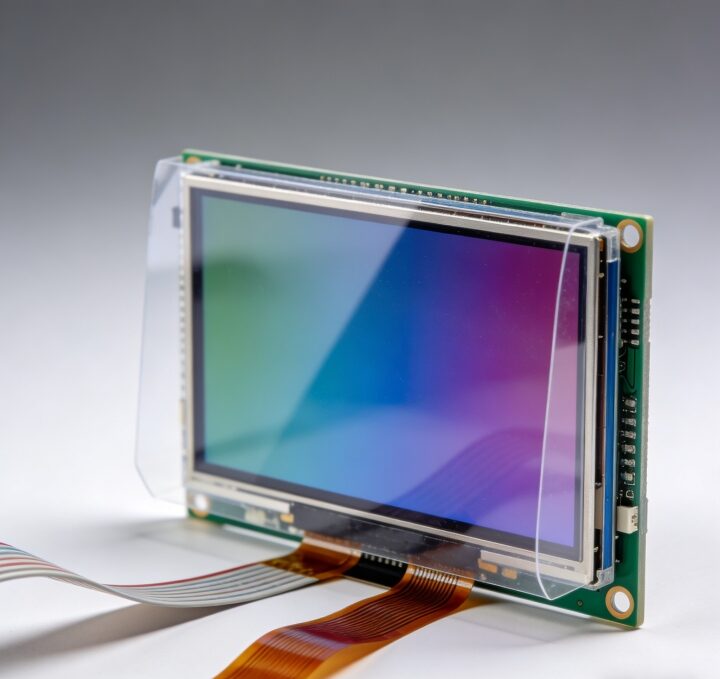
4. TFT array process tolerance
The TFT array controls the electrical driving of each pixel and involves multiple high-precision manufacturing steps. In mass production, process tolerances are unavoidable, including:
- Inconsistent pixel size or aperture ratio: Small variations in pixel structure affect the effective light-transmitting area, leading to differences in brightness and color.
- Minor variations in electrode shape: Deviations in electrode geometry influence the electric field distribution and the driving behavior of liquid crystal molecules.
- Non-uniform pixel driving voltage distribution: Differences in driving voltage cause variations in pixel luminance and grayscale response.
The combined effect of these process tolerances can result in localized or overall color inconsistency across the display.
5. Driving IC and gamma setting
The driver IC and gamma curve settings play a critical role in determining the color performance of TFT displays, with their influence mainly reflected in the following areas:
- Differences in output accuracy among driver ICs: Even for the same model, using different brands or lots of driver ICs may result in differences in grayscale and color accuracy.
- Improper gamma parameter configuration: The gamma curve translates input values to actual luminance levels; inappropriate values can cause colors to appear too dark, too bright, or fail to provide smooth transitions.
- Insufficient factory calibration or improper software tuning: Without precise calibration, inherent panel differences cannot be effectively compensated.
Therefore, even when hardware conditions are similar, inaccurate gamma settings and driver parameters can still lead to noticeable color differences.
6. Viewing angle characteristics
Different TFT panel technologies, such as TN, IPS, and VA, have inherent differences in viewing angle performance, which is another important source of color difference. This is mainly reflected in:
- Color and brightness shift with changing viewing angles: As you view the screen from different angles, the path of the light rays changes, resulting in variations in color and luminance.
- Significant contrast variation when viewed from different directions: Inconsistent performance between vertical and horizontal viewing directions can make different screen areas appear uneven in color.
In large-size displays or multi-panel configurations, viewing-angle-related color differences become even more apparent.
7. Aging and environmental factors
TFT displays are also subject to a number of long-term aging factors, which include:
- Backlight LED luminance degradation: The luminance of the LEDs will decrease with time, and the rate of this degradation may be different for different parts of the screen.
- Prolonged exposure to high temperature or high humidity: High temperatures and humidity accelerate material degradation and reduce the stability of the liquid crystals and optical components.
- Effects of ultraviolet or strong ambient light: High levels of light exposure over time can cause degradation of color filters and polarizers, which can impair color quality.
These aging and environmental influences cause gradual color changes over time, further contributing to color difference.
Conclusion
The color variation in TFT displays is caused by a combination of factors: backlight variations, differences in the LC material, color filter variations, variations in the TFT array manufacturing process, and the configuration of the driving IC. In order to effectively limit color variation, it is necessary to control the material selection, manufacturing process, and factory color calibration of the displays. Easy Quick, as a professional TFT display solution supplier, is committed to providing displays with better color uniformity and stability through reliable supply chains, strict quality control, and accurate display adjustment.
For end users, choosing an experienced and technically capable partner like Easy Quick is essential to ensuring consistent display performance and product reliability. If you would like to learn more about TFT display color difference control or customized display solutions, please contact us for professional support.