
Introduction
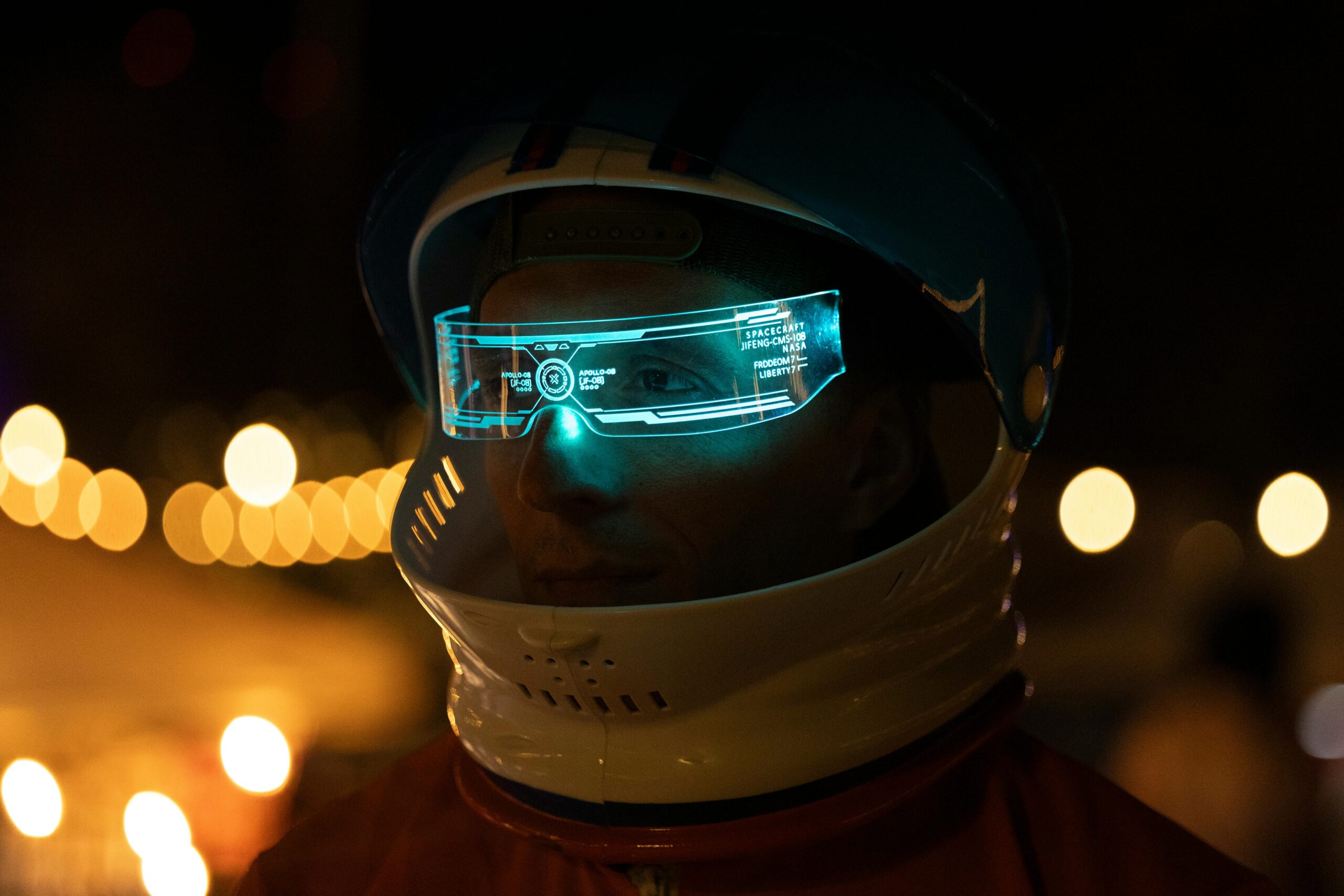
Holographic display technology is rapidly becoming one of the most exciting innovations in modern visual communication. Unlike traditional 2D screens, a holographic display creates the illusion of three-dimensional images that appear to float in space, delivering a highly immersive viewing experience.
This technology is widely used in advertising, retail, exhibitions, education, and entertainment industries. But how does it actually work? In this article, we will explain the principles behind holographic display technology, its components, and real-world applications.
What Is a Holographic Display?
A holographic display is a visual system that generates 3D images using light interference, projection, or advanced LED structures to create depth perception without requiring special glasses.
Unlike conventional screens, holographic displays are designed to simulate real-world depth by manipulating how light enters the human eye.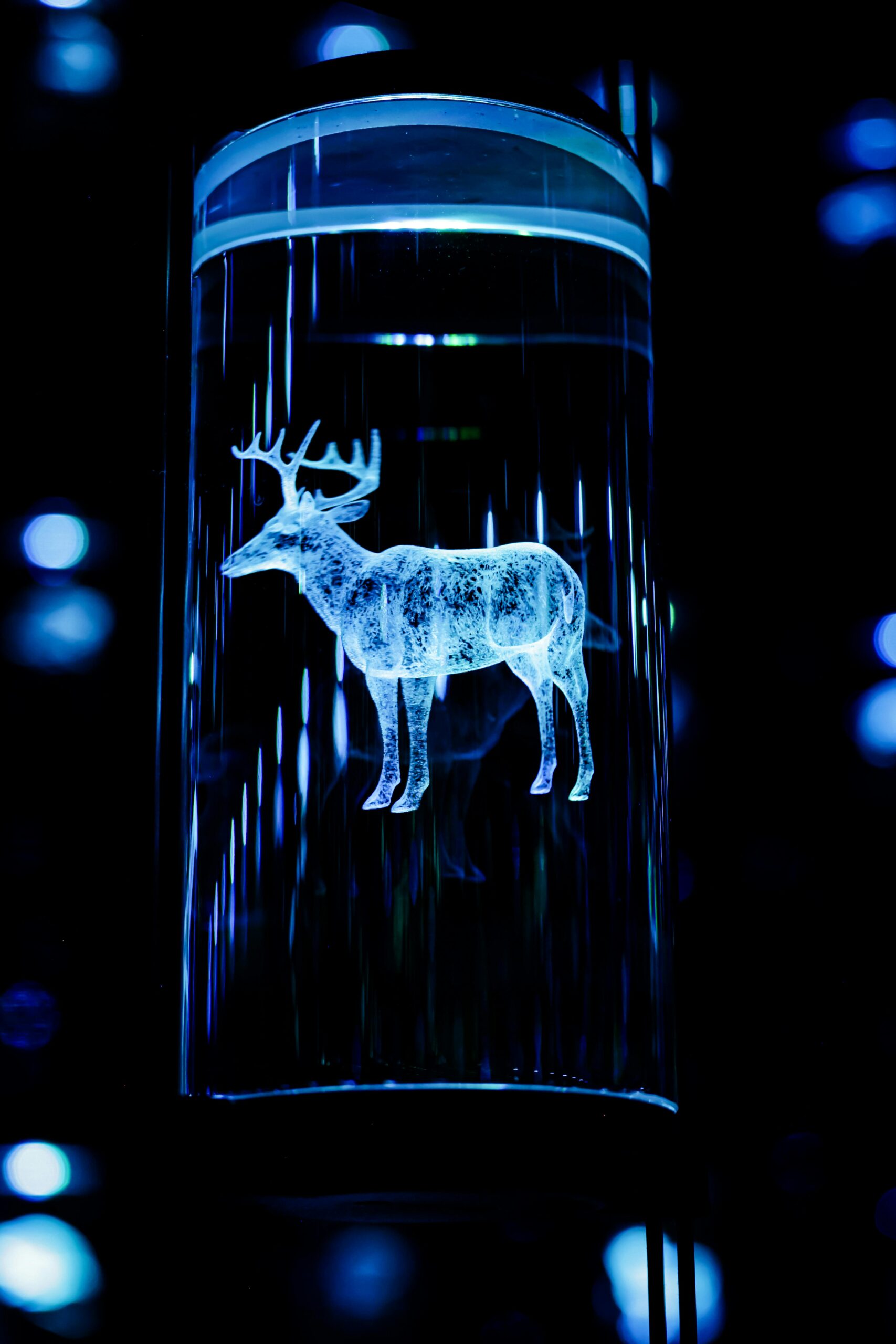
Key Features:
- Glasses-free 3D viewing
- High brightness and visibility
- Strong visual impact for advertising
- Works in both indoor and outdoor environments
How Does Holographic Display Technology Work?
The core principle of holographic display technology is light manipulation. It creates visual depth by controlling how light is reflected, refracted, or projected.
There are several common approaches:
1. LED-Based Holographic Displays
Most commercial holographic displays today use LED fan systems or LED strip structures.
- High-speed rotating LED blades or arranged LED panels display sequential images
- Human eye blends these images into a floating 3D object
- Creates a “hologram-like” illusion in mid-air
This is widely used in retail stores and advertising installations.
2. Pepper’s Ghost Illusion Technology
Another common method is the Pepper’s Ghost technique, which uses:
- Transparent glass or acrylic panels
- Hidden LED screens or projectors
- Light reflection to create floating images
This method is often used in exhibitions, museums, and stage performances.
3. Light Field Display Technology
More advanced holographic systems use light field technology, which:
- Captures and reproduces multiple light angles
- Allows the human eye to perceive true depth
- Provides more realistic 3D effects compared to traditional systems
This is still developing but represents the future of holographic displays.
Components of a Holographic Display System
A typical holographic display system includes:
- Light source (LED or projector)
- Display module or rotating structure
- Control system (software + hardware)
- Content creation system (3D animation or video)
- Protective housing (for installation safety)
Each component plays a key role in producing a stable and visually impactful holographic effect.
Applications of Holographic Display Technology
1. Advertising and Marketing
Holographic displays are widely used in shopping malls, exhibitions, and brand launches to attract customer attention.
2. Retail Industry
Brands use holographic display screens to showcase products in a futuristic way.
3. Entertainment and Events
Concerts and stage performances often integrate holographic effects for immersive storytelling.
4. Education and Training
Complex concepts can be visualized in 3D for better understanding.
5. Industrial Visualization
Engineering and product design teams use holographic displays for prototyping and presentations.
Advantages of Holographic Display Technology
- High visual impact and attention-grabbing effect
- No need for special glasses
- Strong marketing and branding value
- Flexible installation options
- Suitable for both indoor and outdoor environments
Limitations of Holographic Displays
Despite its advantages, holographic display technology also has some limitations:
- High cost compared to traditional displays
- Content production requires 3D design skills
- Some systems require controlled lighting environments
- Limited resolution in certain LED-based systems
Future of Holographic Display Technology
The future of holographic display technology is closely tied to advancements in:
- Artificial intelligence content generation
- Light field imaging
- Real-time 3D rendering
- High-density LED and micro-display systems
In the next few years, holographic displays are expected to become more affordable, more compact, and more widely adopted across industries.
Conclusion
Holographic display technology is transforming how humans interact with digital content. By combining optics, LED systems, and advanced projection techniques, it creates immersive 3D visuals that redefine advertising and visual communication.
As technology continues to evolve, holographic displays will play an increasingly important role in retail, entertainment, and industrial applications.
Interested in Holographic Display Solutions?
If you are planning to integrate holographic display technology into your advertising, retail, or exhibition project, we can help you design a customized solution based on your application needs.
From small-scale indoor holographic systems to large commercial display installations, our team can provide full support including hardware, structure, and content integration.
👉 Contact us to get technical consultation and project recommendation.