
LCD screens are extensively used in smartphones, computers, monitors, artificial outfits, and colorful electronic devices. Due to their glass shells and defensive coatings, LCD screens are fairly easy to scratch during diurnal use, cleaning, transportation, or storage. Indeed, small dust patches, indecorous cleaning tools, or minor contact with hard objects can leave visible marks on the screen.
This composition explains how to fix scrapes on an LCD screen by first relating different types of scrapes, also introducing practical results for minor damage, and eventually explaining how to handle deep scrapes that can not be completely repaired. preventative measures are also handed to help avoid unborn damage.
1. Understanding LCD Screen Scratches
Before embarking on any scratch removal task, it is necessary that one be able to categorize the type of scratch that is found on the screen. The depth of scratches dictates how one ought to handle them, and not all scratches can be repaired.
(1) Minor Scratches (Surface Scratches)
Minor scratches are restricted to the exterior, usually being limited to the protective layer or the top glass layer.
How to identify:
- Touch functions properly
- Smooth to the touch, without any prominent indentation
- Especially when the screen is turned off or shows a black image
- Almost invisible when the screen is turned on, so it has little effect on the picture quality
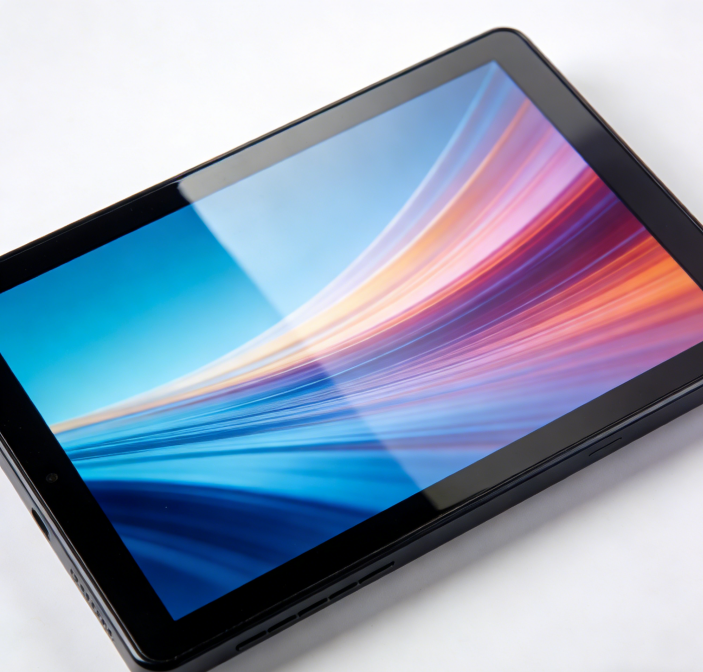
These types of scratches are usually easier to clean, polish away, or hide with a screen protector. They do not affect the functionality of the display.
(2) Moderate Scratches (Visible but Not Affecting Display)
The moderate scratches will go through the surface layer coating and could affect the screen texture but not reach the internal layers of an LCD.
How to identify:
- Image quality and touch sensitivity are not affected
- Present even while the screen is on, especially under bright lighting conditions or from a certain angle
- Just visible with the naked eye, but not easily seen, with a slight depression
Moderate scratches are easily visible compared with surface scratches and harder to completely erase. The treatment of a scratch may include making it less noticeable by polishing or using a screen protector.
(3) Deep Scratches (Severe Damage)
Deep scratches can extend below the surface level and potentially affect the LCD structure itself.
How to identify:
- Visible bright lines, spots, or irregular color patterns
- Light leakage or distortion in the display may be localized
- Touch sensitivity might be reduced or absent in affected areas
- There are deep grooves and/or cracks that are palpable
Such scratches cannot be fixed by any domestic technique, and any DIY fixing could further deteriorate them. Mostly, deep scratches require professional fixing or changing the screen altogether.

2. Techniques for Removing Minor Scratches from an LCD Screen
Many safe and relatively risk-free approaches can treat minor scratches. It is recommended that a test of the method be applied to a small, inconspicuous area before general use.
Method 1: Screen Cleaner and Microfiber Cloth
- Turn off the device and allow the screen to cool down
- A little screen cleaner should be applied to a microfiber cloth. The scratched area should then be agitated in a circular motion
- Note: surface soil, rather than a scratch, may cause some marks
Method 2: Toothpaste (Surface Scratches Only)
- Use a small amount of white toothpaste on a microfiber cloth to polish shallow scratches
- The pressure must be low and not involve friction
- This technique will not work for medium and deep scratches
Method 3: Screen Protector
If the scratches remain, a good screen protector can reduce their visibility and prevent further scratches from occurring without affecting the performance of the screen
3. Practices to Avoid
However, some actions could result in extra harm. These actions should therefore be avoided:
- Do not use harsh materials: steel wool, sandpaper, and harsh brushes may damage the surface irreparably
- Exposing screens to too much or getting them wet, as water may seep into the edges of screens and affect internal components
- Do not rub or polish aggressively, as this can force off protective layers
- Avoid using household cleaners or other substances to clean
4. Can Deep Scratches Be Fixed?
Heavy scratches on an LCD display are not easily fixed fully.
(1)Why Deep Scratches Cannot Be Completely Fixed
- These usually occur in multiple layers of an LCD panel, such as the protection glass layer, polarizer layer, and liquid crystal layer
- Once the internal components are compromised, occurrences like bright lines, dark spots, or touch screen failure will follow
(2)Potential treatments
- Use of a screen protector or a transparent film to reduce visual distraction and prevent scratch propagation in case the screen is still working
- Repairing or replacing the screen in case of compromised display quality or touch functionality, with replacement of the screen being the most effective solution
5. How to Prevent Scratches on an LCD Screen
Preventative measures tend to be more successful than remedial measures. The recommended practices include:
- Use a high-quality screen protector such as tempered glass to protect it from wear and tear, accidental touches, or minor scratches
- Clean the screen thoroughly with a soft microfiber cloth and screen cleaner to remove dust, finger marks, and residue; avoid using coarse fabrics, paper towels, or cleaning products that could cause micro-scratches
- Handle, store, and transport devices carefully by using protective cases or sleeves to prevent them from being in contact with keys or coins; in the case of large screens, avoid contact with rough materials during transport
- Avoid unnecessary pressure and touch: avoid pressing, tapping, or sliding objects on the screen because this can damage the protective coating over time
6. Conclusion
In summary, minor scrapes on an LCD screencan frequently be reduced or concealed using simple styles, while deep scrapes are generally unrecoverable. By rightly relating scrape inflexibility, applying applicable results, and espousing proper preventative measures, druggies can maintain display quality and extend the lifetime of their LCD screen.
At Easy Quick, we place great emphasis on quality and customization to cater to the varied requirements of our customers. Our tailored display solutions are designed to meet every application, ensuring both performance and longevity. For any specific needs or questions, please feel free to contact us at any time.