
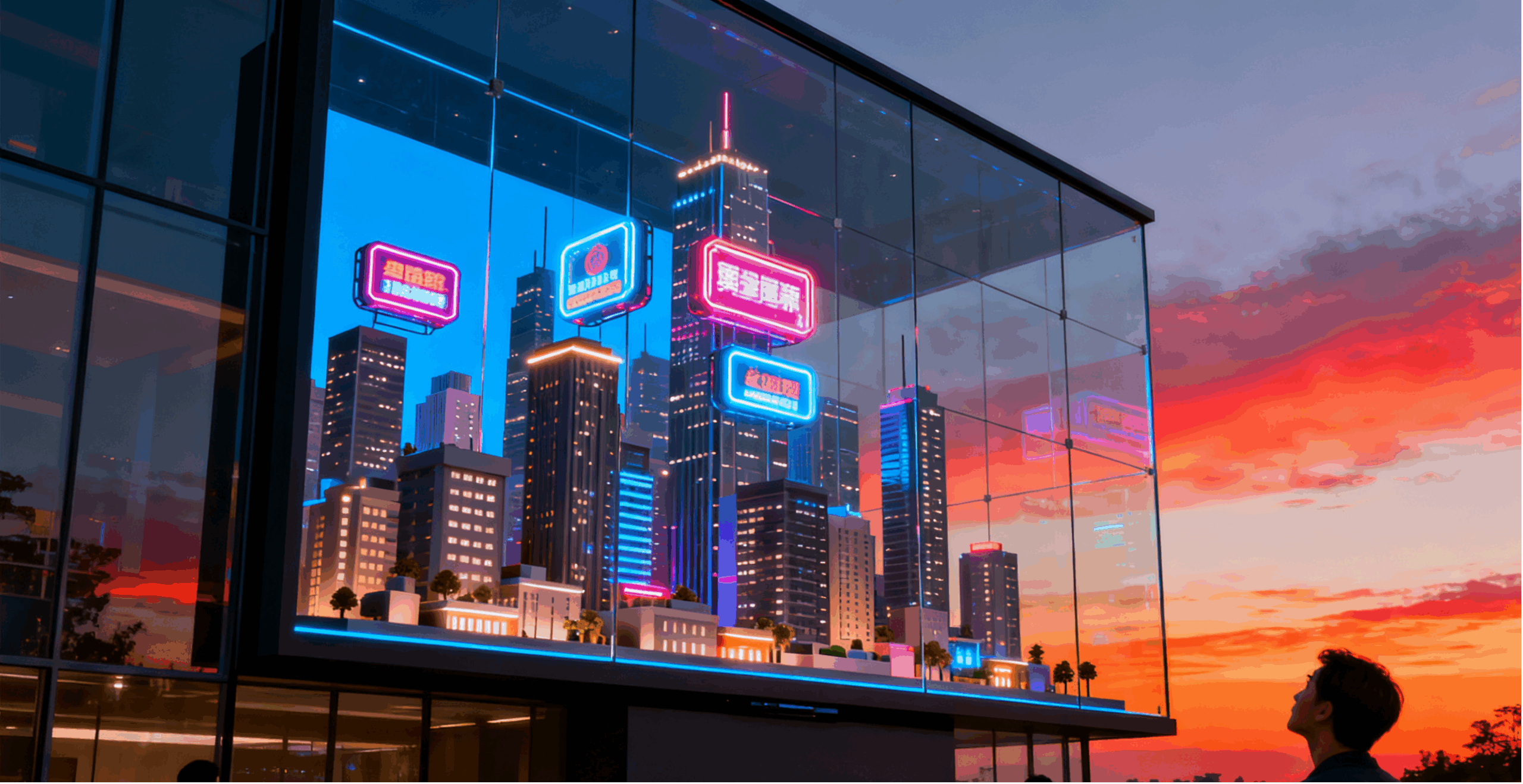
In the fast-evolving landscape of display technology, visual interaction has entered a new era—one where depth, immersion, and realism redefine the user experience. Among the many innovations pushing this transformation forward, glasses-free 3D display technology stands out as one of the most revolutionary. Unlike traditional 3D solutions that require specialized eyewear, glasses-free 3D displays create a vivid sense of depth and dimension through advanced optical designs, making the viewing experience more natural and accessible. But can this technology truly shape the future of visual interaction? Let’s explore its principles, advantages, applications, and future prospects.
How Glasses-Free 3D Display Works
At its core, a glasses-free 3D display (also known as autostereoscopic display) eliminates the need for 3D glasses by directing different images to each eye using optical components such as lenticular lenses or parallax barriers. These components create a perception of depth by ensuring that each eye receives a slightly different image—simulating how human binocular vision perceives the real world.
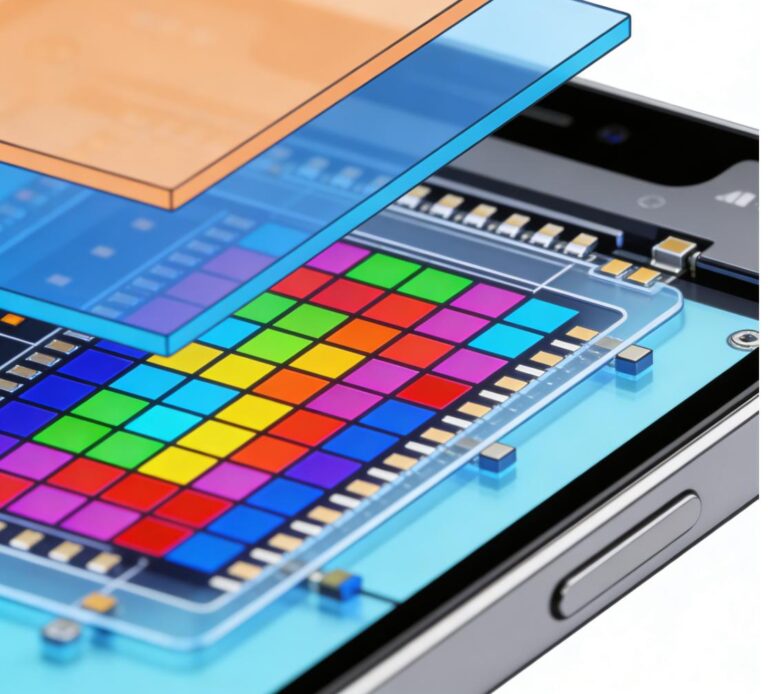
Modern solutions, such as those developed by EasyQuick, use high-precision 3D LCD modules combined with intelligent visual algorithms to optimize depth performance, reduce crosstalk, and enhance viewing angles. As a result, users experience lifelike 3D visuals without discomfort or the inconvenience of external devices.
Advantages of Glasses-Free 3D Displays

1. Enhanced User Experience
One of the biggest appeals of this technology is its convenience. Without glasses, users can freely enjoy 3D content from multiple angles. The display delivers a natural viewing experience ideal for public and professional environments such as exhibitions, kiosks, and industrial visualization systems.
2. Immersive Realism
Glasses-free 3D modules provide a sense of spatial depth that makes digital images appear tangible. This immersive realism is especially valuable in medical imaging, design simulation, education, and entertainment, where accurate spatial representation improves understanding and engagement.
3. Versatile Applications
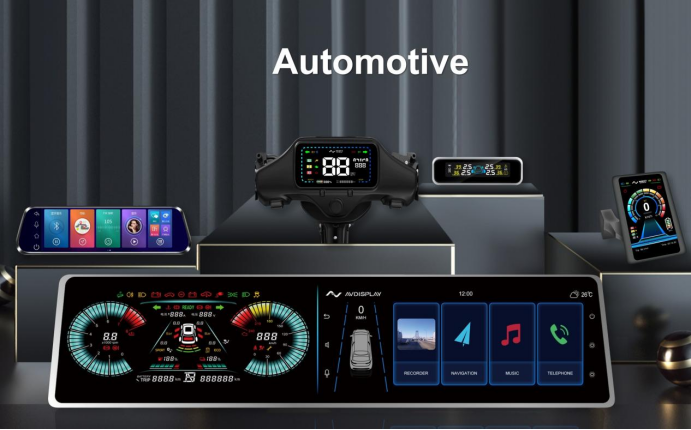
From automotive dashboards to smart displays and industrial control systems, glasses-free 3D modules can be integrated into diverse environments. EasyQuick’s 3D LCD solutions are designed for high brightness, durability, and low power consumption, ensuring stable performance even in demanding outdoor or industrial conditions.
4.No Need for Wearable Accessories
Unlike traditional 3D glasses, which often cause eye fatigue or hygiene concerns in shared environments, glasses-free 3D displays offer a hygienic, comfortable, and maintenance-free alternative—ideal for high-traffic applications like public information displays or commercial advertising.
Applications Across Industries
The demand for intuitive and visually engaging interfaces has accelerated the adoption of 3D display technology across multiple industries:
– Automotive and Transportation – 3D dashboards enhance driver awareness by providing depth perception for navigation and alert displays.
– Medical Imaging – Surgeons and researchers can visualize anatomical structures in three dimensions, improving accuracy and analysis.
– Education and Training – Glasses-free 3D displays make complex data—like molecular models or architectural designs—more interactive and comprehensible.
– Consumer Electronics – From smartphones to gaming devices, 3D visualization adds a new dimension of enjoyment and realism.
– Industrial and Commercial Display Systems – 3D visualization helps operators monitor multi-layered data efficiently, increasing operational safety and performance.
EasyQuick continues to push the boundaries of industrial-grade 3D display modules, ensuring high reliability, wide operating temperature ranges, and superior optical performance—tailored for professional environments that demand both precision and durability.
Challenges and Future Trends
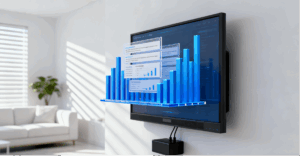
While glasses-free 3D technology has made impressive progress, it still faces challenges such as viewing angle limitations, production costs, and content compatibility. However, continuous improvements in optical lens design, AI-based image rendering, and multi-view display technology are rapidly addressing these issues.
The next generation of 3D displays is expected to combine eye-tracking technology and adaptive focus control, allowing displays to dynamically adjust to the viewer’s position. This will create a truly personalized and comfortable 3D experience—one that feels as real as looking through a window into another world.
Conclusion
Glasses-free 3D display technology represents a significant leap toward a more immersive and interactive future. As industries seek more intuitive ways to visualize complex data and deliver engaging user experiences, the demand for 3D visualization continues to grow.
With its commitment to innovation, quality, and reliability, EasyQuick is pioneering the development of advanced 3D LCD modules that empower manufacturers and designers to bring next-generation visual experiences to life—without the need for glasses.
The question, then, is not if glasses-free 3D will shape the future of visual interaction—but how soon it will become a standard feature in the displays we use every day.
Contact Us
At Shenzhen EasyQuick Technology Co., Ltd., we are committed to providing innovative display solutions that redefine visual performance and user experience. Whether you’re developing industrial control systems, automotive dashboards, medical equipment, or next-generation consumer devices, our team is ready to help you bring your vision to life.