
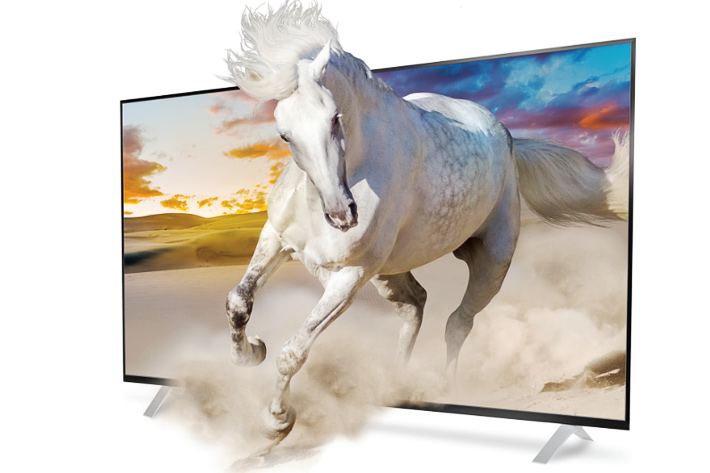
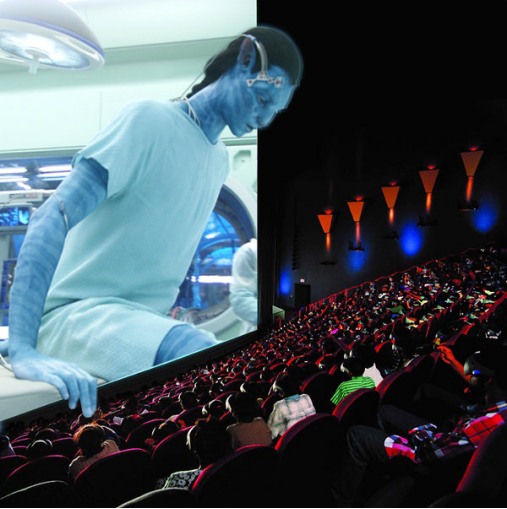
Remember your first 3D movie with those bulky glasses? The magic lasted five minutes—until the glasses fogged, your nose ached, and the excitement quickly faded. That’s why 3D TVs never truly took off at home.Good news: you don’t need those clunky specs anymore. Glasses-free 3D (also called autostereoscopic 3D) is real, it works, and it’s showing up in ways that actually make sense in everyday life. Let’s take a friendly, slightly nerdy stroll through what glasses-free 3D is, where you might already have seen it, and how big-format displays (24″,27″, 32″, 65″,85″,101″,) are bringing the wow-factor into real spaces.
What is Glasses-free 3D — in plain English
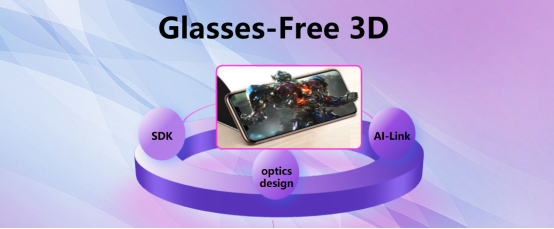
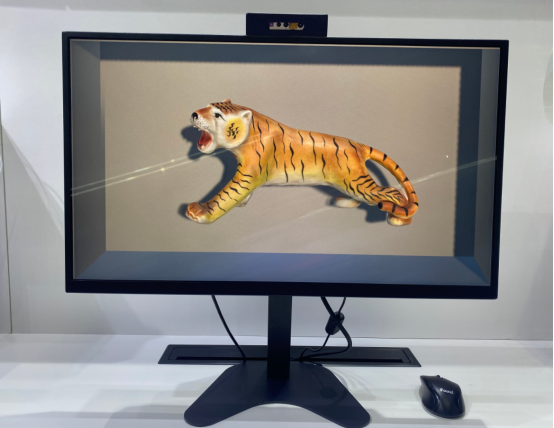
At its simplest, Glasses-free 3D tricks your eyes into seeing depth by sending slightly different images to each eye. Instead of putting the split images into lenses (like old polarized or active-shutter glasses), the display itself controls the light so each eye receives its own view. Your brain stitches those views into depth—no eyewear required.
Technically, systems use things like lenticular lenses, parallax barriers, or more advanced light-field rendering. For readers who don’t care about the tech terms: imagine a clever window that shows different pictures depending on where you stand—only the pictures combine into 3D inside your head.
Why People Care About Glasses-free 3D TVs
The most exciting part of glasses-free 3D is that it feels natural. You don’t have to fumble for eyewear during movie night or ask guests to wear something they don’t like. Instead, you can enjoy:
Immersive movie experiences — imagine watching a space film where planets hover in front of you.
Gaming with depth — characters and environments feel alive, pulling you deeper into the action.
Shared viewing — family and friends can watch together without the barrier of glasses.
This is more than just a visual trick. It transforms entertainment into something social and effortless.
From Billboards to Living Rooms
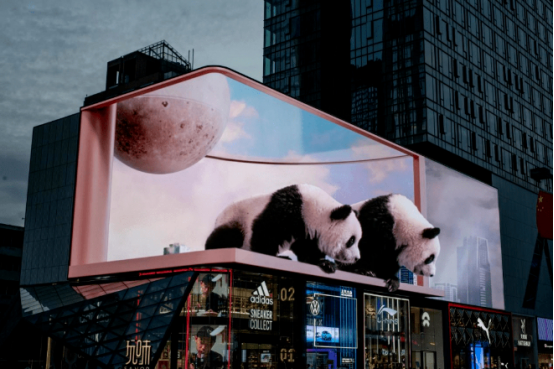
If you’ve walked through a busy city center, you may have seen huge naked-eye 3D billboards. In places like Sichuan, China, these displays have gone viral for their lifelike illusions, such as giant pandas seemingly leaping out of the screen. They prove one thing: glasses-free 3D can stop people in their tracks.
Now, the same technology is making its way into homes and personal entertainment spaces. Instead of being limited to public advertising, you can bring that “wow” factor to your own TV or display.
Multiple Sizes, Endless Possibilities
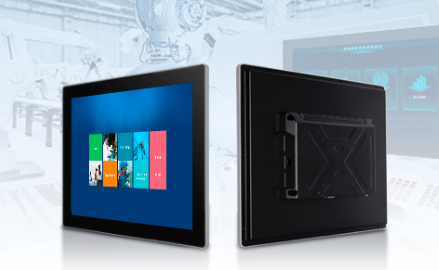
At EASY QUICK, we believe glasses-free 3D should be available for every kind of environment—not just outdoors or at trade shows. That’s why we offer a wide range of display sizes, from 24 inches for close-up product demos to 65 inches for home entertainment, and even up to 98 inches for large venues and cinematic setups.
Medium screens (24”–32”): Perfect for retail counters, gaming stations, or interactive exhibits.
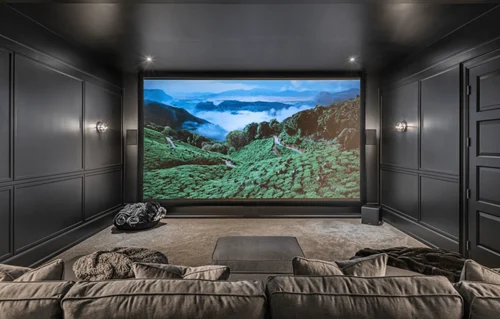
Large screens (43”–65”): Ideal for home theaters, classrooms, and offices.
Ultra-large screens (75”–98”): Designed for showrooms, lobbies, and public spaces where you want maximum impact.
No matter the size, the goal is the same: deliver vivid, immersive depth that feels real.
The Future of Glasses-free 3D TVs
With ultra-high resolution panels, AI-driven rendering, and the growth of 8K content, glasses-free 3D is finally ready for mainstream adoption. It is no longer a passing trend; it’s an evolution in how we see and interact with digital content.
The future living room won’t just have a TV—it will have a glasses-free 3D window into another world.
Final Thoughts
So, are there really 3D TVs without glasses?
Yes. And they’re here to stay.
Glasses-free 3D TVs are changing entertainment by making depth natural, effortless, and immersive. Whether you want a 32-inch screen for gaming, a 65-inch centerpiece for family movie nights, or a massive 98-inch display to wow visitors, EASY QUICK has the right solution.
If you’re ready to see the difference, contact us to explore our full range of glasses-free 3D displays. The best way to believe it is to experience it.