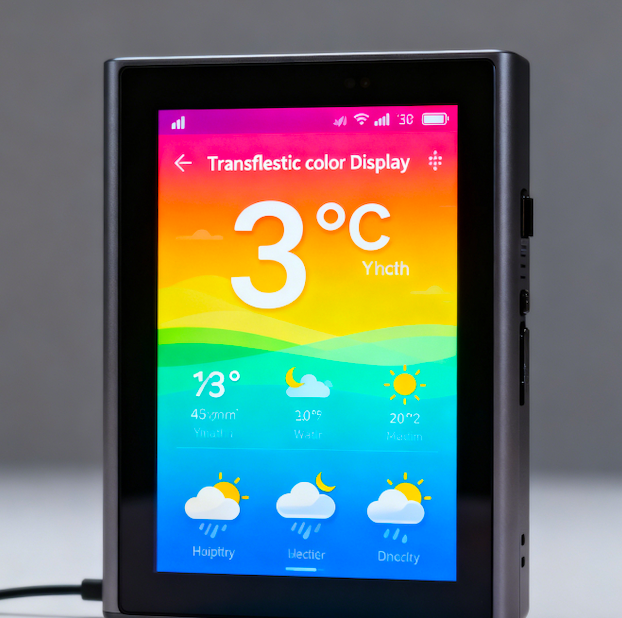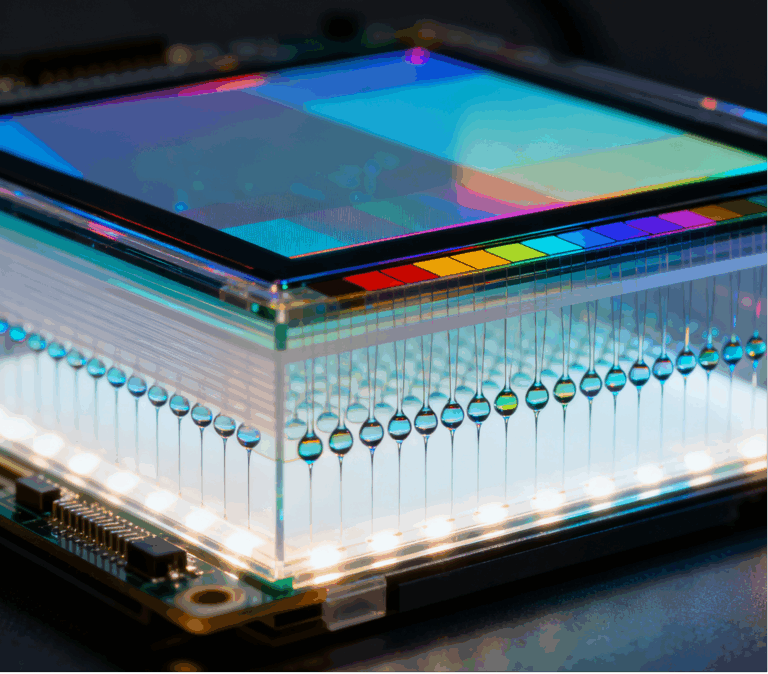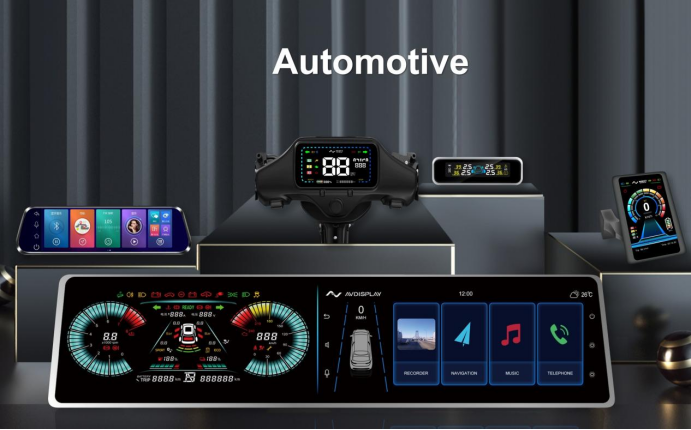

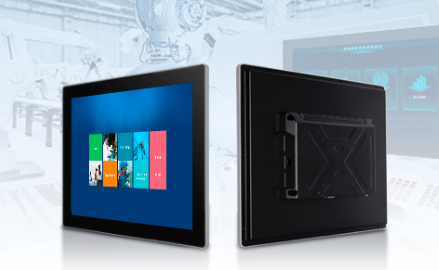
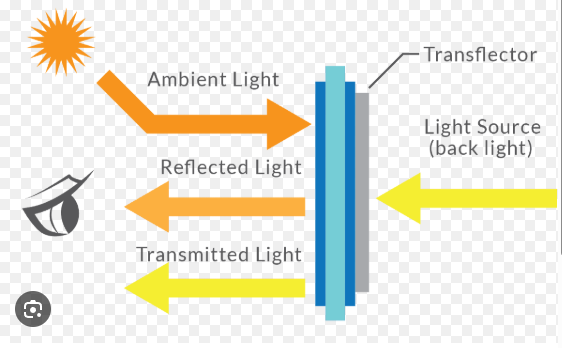
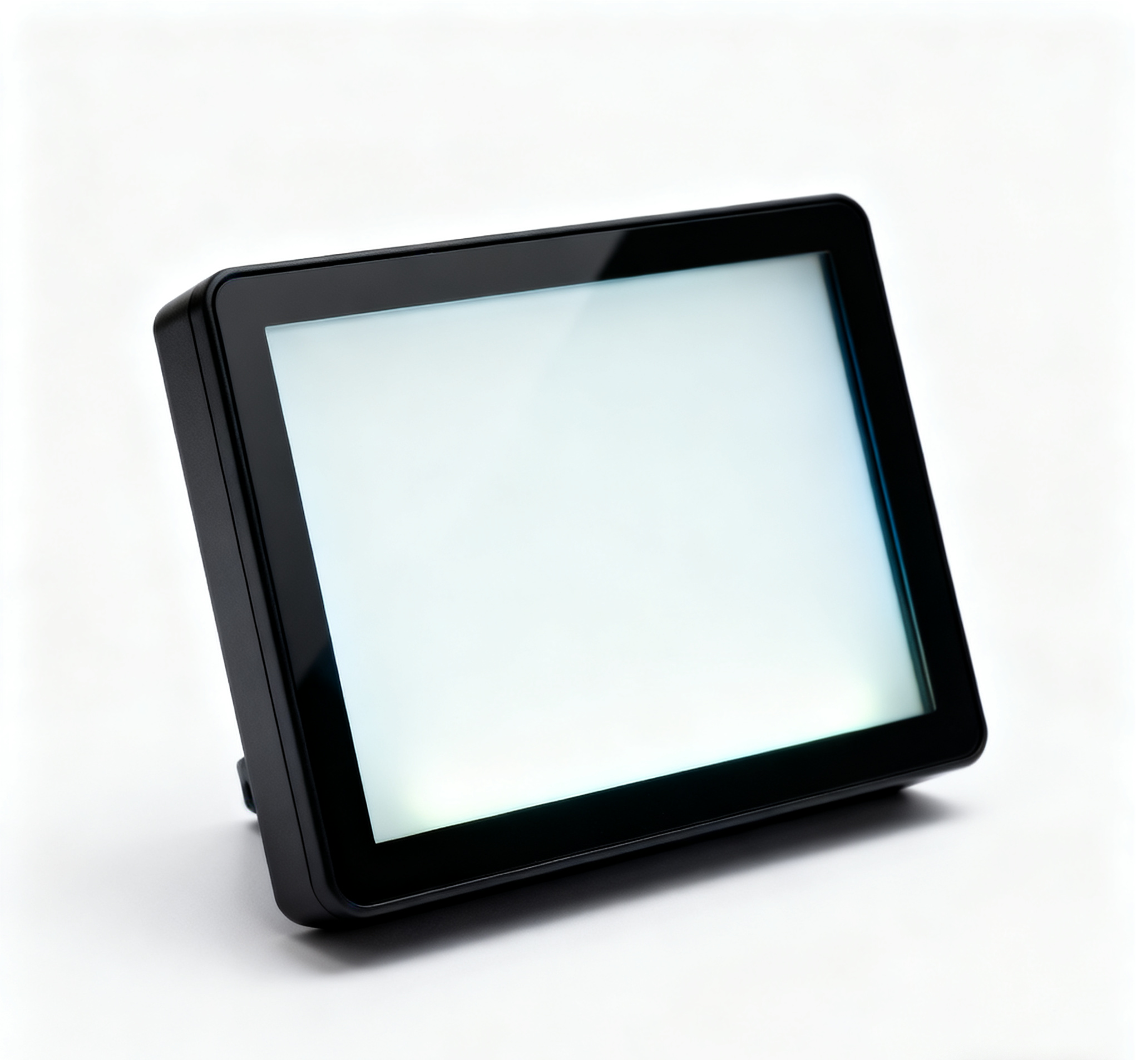
A Reflective LCD Display is a specialized display unit that relies on reflecting ambient light (such as sunlight, indoor lighting) to present content, rather than relying on an active backlight like traditional transmissive LCDs. This unique working principle makes it stand out in low-power consumption and outdoor visibility, and it is widely used in outdoor IoT devices, portable measuring instruments, and medical handheld devices. Unlike backlit LCDs that consume a lot of power for brightness, reflective LCD displays achieve clear display with minimal energy input, perfectly matching the needs of devices that require long battery life or no external power supply.
The 7-inch color reflective modules for outdoor data collectors, the market offers a variety of solutions tailored to different scenarios. Choosing the right reflective LCD display requires balancing its unique advantages (low power, outdoor visibility) with application-specific requirements such as color, refresh rate, and durability.
Key Specifications to Evaluate in a Reflective LCD Display
Reflectivity and Ambient Light Adaptability
Reflectivity: As the core indicator of reflective LCD displays, it directly determines the clarity of content under different ambient light conditions. Generally, a reflectivity of 40%–60% is suitable for most indoor and semi-outdoor scenarios, while outdoor high-brightness scenarios require a reflectivity of more than 70% to ensure clear visibility even in strong sunlight.
Ambient Light Adaptability: High-quality reflective LCD displays can automatically adjust the display effect according to changes in ambient light ,for example, enhancing contrast in weak light and reducing glare in strong light. Some advanced models are equipped with light sensors to achieve real-time adaptive adjustment, avoiding the problem of unclear display in dim light that plagues traditional reflective displays.
Color and Resolution
Color Type: Monochrome reflective LCD displays are widely used in scenarios that only need to display simple text and icons due to their low cost and ultra-low power consumption. Color reflective LCD displays are suitable for devices that require rich content presentation, such as outdoor portable navigation devices and handheld medical diagnostic instruments.
Resolution: For small-size reflective modules (1–3 inches), a resolution of 320×240 is sufficient for displaying text and simple graphics. For medium-size modules (3–7 inches) used in data collection and medical devices, a resolution of 800×480 or higher is required to ensure the clarity of tables, curves, and other detailed content. Unlike traditional LCDs, the resolution of reflective LCD displays does not need to pursue ultra-high standards excessively, as overly high resolution will increase power consumption and cost without significantly improving the display effect under ambient light.
Power Consumption and Refresh Rate
Power Consumption: One of the biggest advantages of reflective LCD displays. In static display mode, the power consumption can be as low as a few microamps, and a single button battery can support continuous use for 1–3 years. In dynamic display mode, the power consumption is usually between 10–50 microamps, which is only 1/10–1/20 of that of backlit LCDs with the same size.
Refresh Rate: Most reflective LCD displays have a low refresh rate, which is sufficient for scenarios that display static or slow-changing content. For scenarios that require fast dynamic content display, high-refresh-rate reflective LCD displays need to be selected, but it should be noted that the power consumption will increase accordingly with the increase of refresh rate.
Viewing Angle and Technology Type
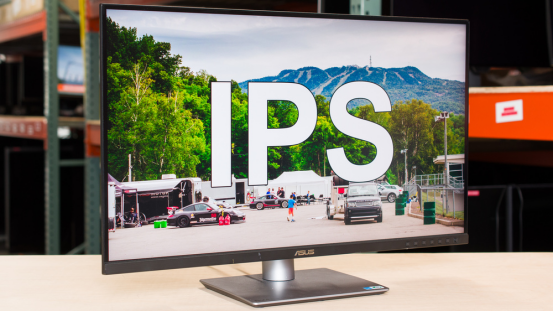
Viewing Angle: Traditional reflective LCD displays based on TN technology have limited viewing angles (usually 45–60°), which is only suitable for single-person viewing scenarios,such as personal handheld instruments. For multi-person viewing scenarios,such as outdoor team collaboration devices, reflective LCD displays based on IPS technology should be selected, which can provide a wide viewing angle of up to 178°, ensuring that the content is clear from any direction.
Technology Type: In addition to TN and IPS, there are also reflective LCD displays based on E Ink technology. Although E Ink displays have ultra-low power consumption and paper-like display effects, their refresh rate is very low, making them suitable for static content scenarios. For scenarios that require occasional dynamic updates, traditional reflective LCD displays (TN/IPS) are more cost-effective.
Environmental and Durability Factors
Operating Temperature Range
Reflective LCD displays have better temperature adaptability than traditional backlit LCDs. For general consumer devices , an operating temperature range of -10°C to +60°C is sufficient. For industrial outdoor devices and cold chain transportation labels, reflective LCD displays with an operating temperature range of -30°C to +85°C should be selected to ensure stable operation in extreme high and low temperature environments.
Mechanical Durability
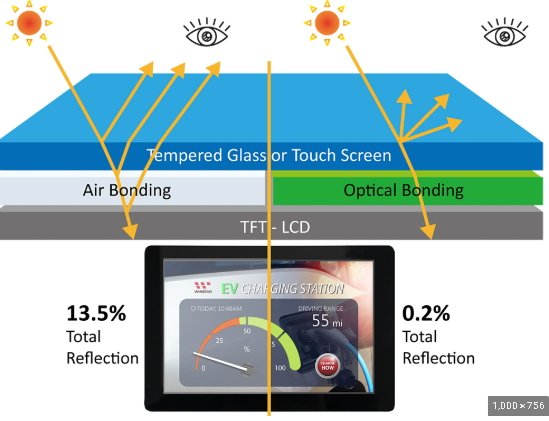
Surface Protection: The surface of reflective LCD displays used in outdoor or handheld scenarios should be coated with anti-scratch materials to prevent scratches caused by daily use or outdoor friction.
Water and Dust Resistance: For outdoor devices exposed to rain, snow, or dust, reflective LCD displays with an IP rating of IP65 or higher are required to prevent water and dust from entering the interior of the module and affecting performance.
Lifetime Considerations
The lifetime of reflective LCD displays is mainly determined by the service life of the liquid crystal material and the reflective layer. Under normal use conditions, the lifetime can reach 50,000–100,000 hours. Unlike backlit LCDs whose lifetime is limited by the backlight, reflective LCD displays do not have the problem of backlight aging, so they are more suitable for long-term use scenarios.
Choosing the Right Reflective LCD Display by Application
Consumer Electronics ( Smart Wearables)
In consumer electronics, reflective LCD displays are mainly used in low-power smart wearables. For smart wearables, 1–1.5-inch small-size reflective modules with wide viewing angles are suitable, which can display time, heart rate, and other simple information, and the battery life can reach 6–12 months on a single charge.
Outdoor IoT Devices (Environmental Monitors)
Outdoor IoT devices have strict requirements on the durability and outdoor adaptability of reflective LCD displays. It is recommended to choose 2.4–7-inch color or monochrome reflective modules with the following characteristics: high reflectivity for sunlight readability, IP65 or higher water and dust resistance, operating temperature range of -30°C to +85°C, and anti-glare coating to avoid reflection under direct sunlight.
Medical Devices (Handheld Diagnostic Instruments, Patient Monitoring Devices)
Medical devices require reflective LCD displays to have high resolution and compliance with medical standards. For handheld diagnostic instruments, 2.8–5-inch high-resolution color reflective modules with IPS technology are suitable, which can clearly display test curves and data tables. These modules must comply with ISO 13485 medical device quality management system standards and support glove-friendly touch input. For patient monitoring devices used in wards, reflective LCD displays with low power consumption and quiet operation are preferred to avoid affecting patients’ rest.
Industrial Equipment (Portable Measuring Instruments)
Industrial portable measuring instruments often work in harsh environments, so they need reflective LCD displays with anti-shock design and wide temperature adaptability. 1.8–3.5-inch monochrome reflective modules with LVDS interfaces are a good choice, as LVDS interfaces can ensure stable data transmission in noisy electromagnetic environments.
Future Trends in Reflective LCD Displays
Integration with Low-Power Sensors
In the future, reflective LCD displays will be more closely integrated with low-power sensors. For example, a reflective LCD display with a built-in light sensor can automatically adjust the reflectivity according to the intensity of ambient light, achieving the best display effect while minimizing power consumption. The integration of motion sensors can make the display enter the ultra-low power sleep mode when there is no human operation, and wake up quickly when motion is detected, further extending the battery life of the device.
Higher Color Performance and Refresh Rate
With the improvement of liquid crystal material technology, color reflective LCD displays will achieve a wider color gamut and higher refresh rate. This will expand their application scope to more fields that require rich colors and fast dynamic display, such as outdoor portable gaming devices, real-time outdoor advertising screens, and so on. At the same time, the power consumption will be further optimized, avoiding the problem of excessive power consumption caused by improved performance.
Flexible and Transparent Reflective LCD Displays
Emerging flexible reflective LCD displays will break through the limitations of traditional rigid displays and can be applied to curved devices and wearable devices that fit the body. Transparent reflective LCD displays will be used in retail showcase windows and automotive windshields—for example, a transparent reflective display on a showcase window can display product information while allowing customers to see the actual product inside, a transparent display on a car windshield can project navigation information onto the glass, enabling heads-up display functionality without relying on a backlight.
Checklist Before Buying a Reflective LCD Display
- Clarify the target application scenario and environmental conditions.
- Determine the appropriate size, resolution, and color type based on the content to be displayed.
- Evaluate the required reflectivity and ambient light adaptability to ensure clear visibility in the target environment.
- Check the power consumption parametersto match the battery life requirements of the device.
- Verify the durability indicators to ensure long-term stable operation.
- Confirm the interface compatibility with the device’s mainboard.
- Evaluate the supplier’s reliability and whether the products comply with relevant industry standards and environmental regulations.
Conclusion
Choosing the right reflective LCD display is not only about selecting a display unit, but also about matching it with the device’s application scenario, power supply capacity, and user experience requirements. Its unique low-power consumption and excellent outdoor visibility make it an irreplaceable choice in many fields, especially in the era of the Internet of Things where low power and long battery life are highly demanded. By carefully evaluating key specifications such as reflectivity, power consumption, resolution, and durability, buyers can select a reflective LCD display that balances performance, cost, and practicality.
At Easy Quick Company, we specialize in providing customized reflective LCD display solutions, from small-size monochrome modules to large-size color modules. With advanced production technology, strict quality control systems, and professional technical support teams, we are committed to helping our partners solve display challenges in low-power and outdoor scenarios, and accelerate the launch of innovative products.
Contact us today to explore how our reflective LCD display expertise can support your next project!