
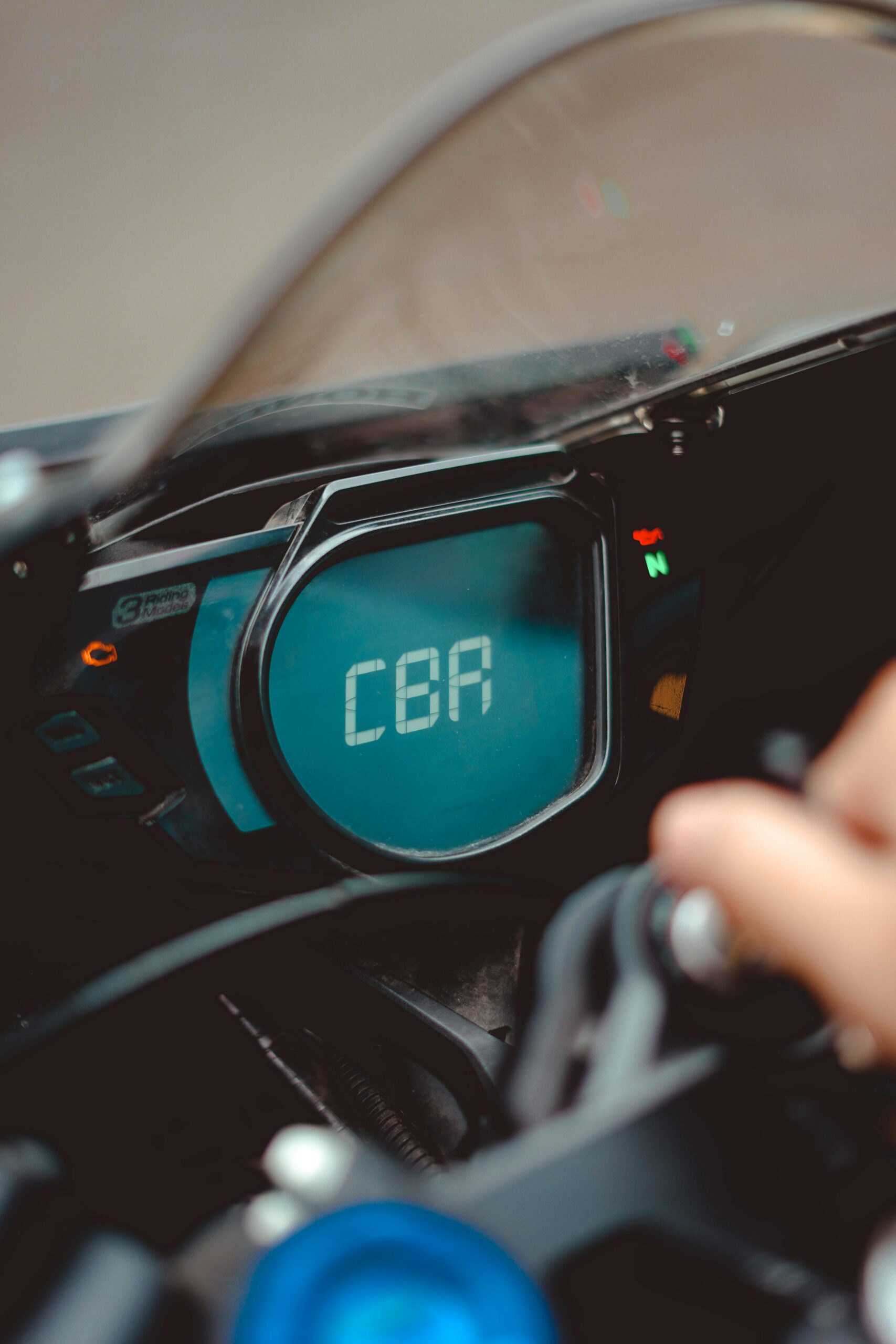
Designing a high-performance Motorcycle HMI dashboard is essential for rider safety, usability, and product success. Motorcycles have limited cockpit space and are exposed to sunlight, vibrations, and varying weather conditions, which makes HMI design more challenging than in cars. A well-designed dashboard improves readability, reduces cognitive load, and ensures critical information is accessible at a glance.
In this article, we outline five critical factors to consider when designing a Motorcycle HMI dashboard, along with technical guidance and real-world examples.
1. Visibility and Display Readability in a Motorcycle HMI
Riders must read the dashboard under direct sunlight, low light, or shadows. Visibility is therefore a top priority.
Brightness and Contrast
Recommended brightness: 800–1500 nits for outdoor environments
Minimum contrast ratio: 800:1 for clear icons and text
Screen Size and Viewing Angle
Typical dashboard screens: 3.5–5.0 inches
Recommended viewing angles: ≥160° horizontal, ≥140° vertical
Color Coding and Glare Reduction
Anti-reflective coatings reduce sunlight glare
Use high-contrast color coding: red for warnings, green for normal indicators
Case study: Our Yadea 4.3-inch HMI was optimized for city riding with anti-glare coating and high brightness for direct sunlight readability.
2. Ergonomics and Interface Layout in a Motorcycle HMI
Motorcycle HMIs must be glanceable and intuitive, minimizing distractions.
Layout Principles
Glanceability: Critical information should be readable in <1 second
Prioritization: Central placement of speed, fuel, and warnings
Grouping: Related metrics like trip data, engine status, and navigation grouped logically
Controls and Interaction
Touch areas ≥8mm for gloved hands
Haptic feedback for touch confirmation
Case study: The Yadea 6-inch HMI combines capacitive touch and physical buttons for easy interaction in all riding conditions.
3. Information Hierarchy and Alerts in a Motorcycle HMI
Effective HMIs present critical information without overwhelming the rider.
Warning Signals
Flashing icons: 200–500ms intervals
Audible alerts: 70–85 dB, noticeable without being intrusive
Displayed Metrics
Essential: speed, RPM, fuel, engine temperature
Optional: navigation prompts, gear position, tire pressure
A clear hierarchy reduces cognitive load and enhances safety.
4. Environmental Robustness of a Motorcycle HMI
Motorcycle HMIs must withstand vibrations, temperature extremes, and moisture.
Temperature and Vibration
Operating range: -20°C to +70°C
Vibration tolerance: ISO 16750-3 compliant, up to 5G
Water and Dust Protection
Minimum IP65 rating
Sealed connectors prevent corrosion
Case study: Our Yadea 4.3-inch and 6-inch HMIs passed vibration and water resistance tests for both urban and off-road conditions.
5. Connectivity and Smart Features in a Motorcycle HMI
Modern HMIs integrate connectivity to enhance functionality without distracting the rider.
Connectivity Options
Bluetooth for helmet audio and smartphone connectivity
CAN bus or UART for engine and sensor integration
Optional GPS navigation
Smart Features
Adaptive brightness based on ambient light
Real-time tire pressure monitoring
Gear shift guidance and trip analytics
Proper integration allows for a smarter, safer, and more intuitive riding experience.
FAQ – Motorcycle HMI Design
Q1: What screen sizes are ideal for motorcycles?
A: Typically 3.5–5.0 inches; our Yadea projects include 4.3-inch and 6-inch HMIs.
Q2: Can the HMI be used with gloves?
A: Yes, capacitive touch areas ≥8mm or physical buttons with haptic feedback.
Q3: What environmental standards should be met?
A: IP65 for dust/water protection; ISO 16750-3 for vibration and shock.
Q4: How quickly should alerts appear?
A: Flash intervals 200–500ms, audible alerts 70–85 dB.
Conclusion
Designing a Motorcycle HMI requires careful consideration of visibility, ergonomics, information hierarchy, environmental robustness, and connectivity. Real-world implementations, such as our Yadea 4.3-inch and 6-inch HMIs, demonstrate how proper design choices enhance safety, usability, and rider satisfaction.
CTA
If you are developing a Motorcycle HMI dashboard, our team provides 4.3-inch and 6-inch high-brightness TFT displays with touch integration, vibration resistance, and IP65 protection. Contact us to discuss your project and request technical specifications, prototypes, or customized solutions.