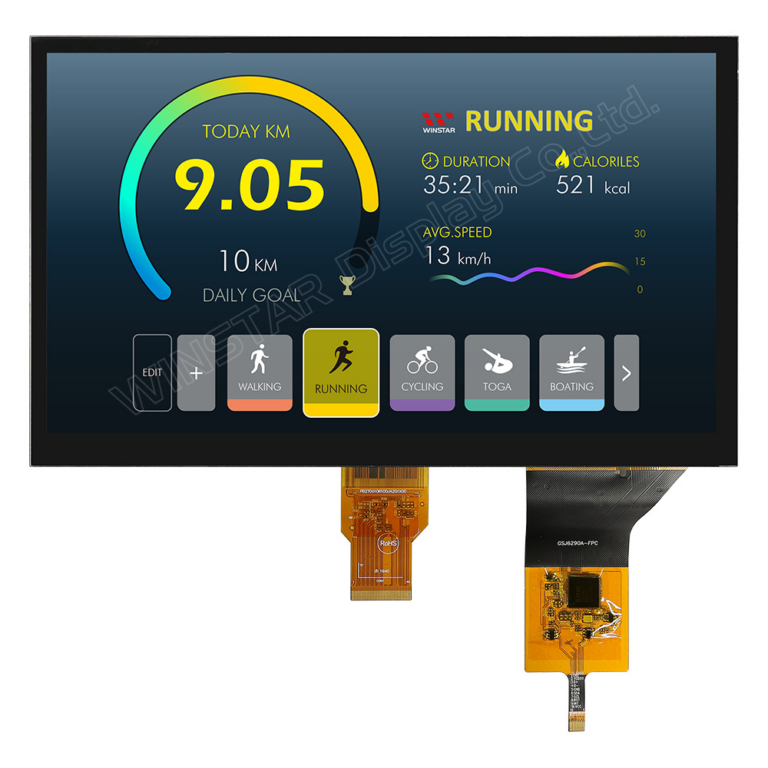

For many electronic products, the display is one of the most critical components of the user interface. While standard TFT LCD modules are widely available, many devices require specific features that off-the-shelf products cannot fully meet. In these cases, choosing a custom LCD module becomes the most practical solution.
However, customization does not always mean redesigning the entire display. In most projects, only certain elements need to be modified to match the product design, mechanical structure, or performance requirements. Understanding what should be customized and what can remain standard can significantly reduce both development time and cost.
Why Choose a Custom LCD Module?
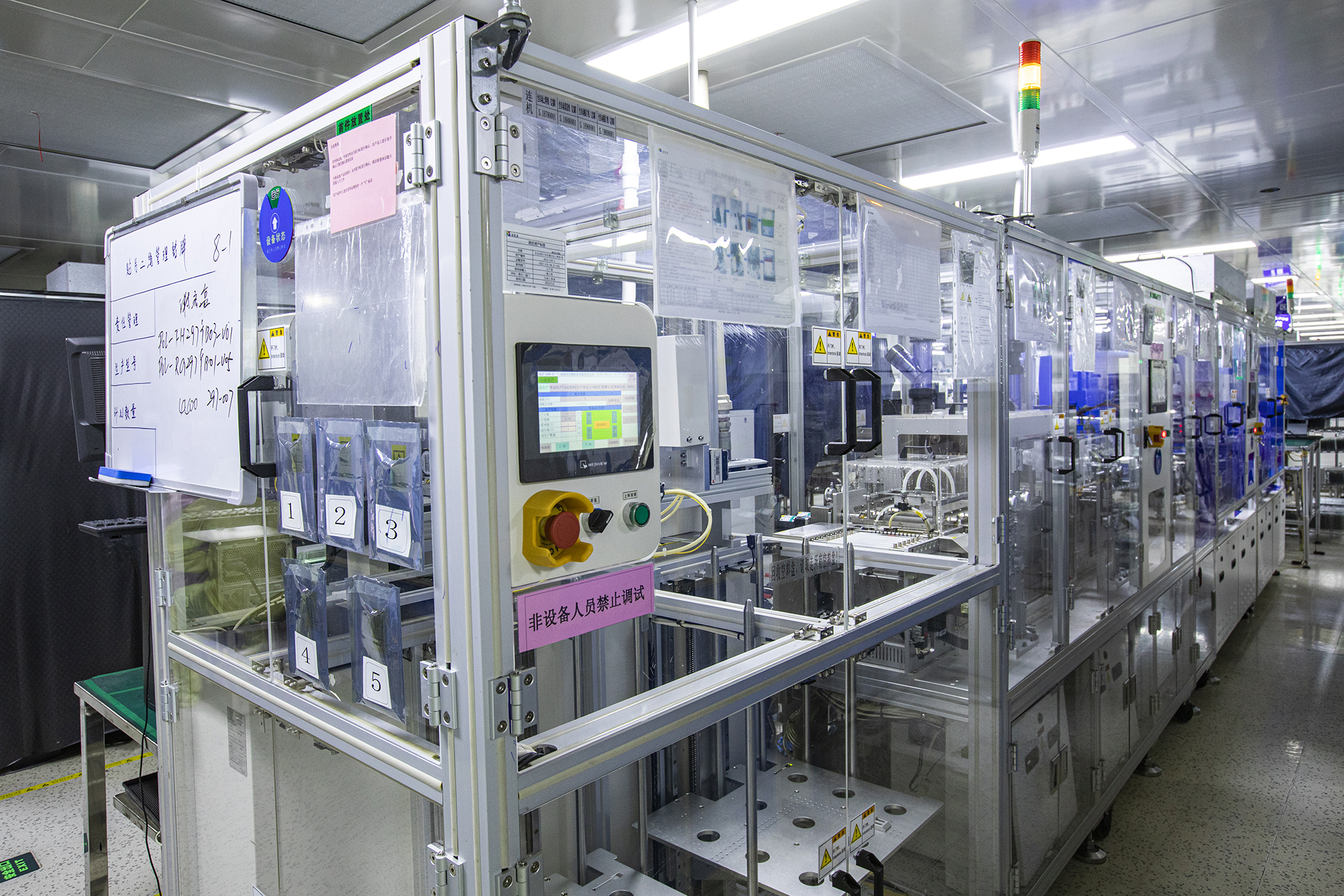
A custom LCD module is typically developed when standard products cannot meet the functional or structural requirements of a device.
Common Reasons for Customization
Several scenarios usually lead companies to customize their display modules:
Mechanical constraints – The display must fit a specific housing or front panel design.
Unique resolution or aspect ratio – For example, a device may require a resolution such as 480×640, 800×480, or 1024×600 rather than common formats.
Touch integration – Adding capacitive touch panels (CTP) or resistive touch depending on the application.
Interface compatibility – Matching the display with the mainboard interface such as RGB, MIPI, LVDS, or SPI.
Optical performance requirements – Higher brightness (e.g., 700–1000 nits) for outdoor equipment.
Industries that frequently require customized displays include medical devices, industrial control systems, handheld terminals, automotive electronics, and smart home products.
Key Areas of Custom LCD Module Customization
When discussing a custom LCD module, the customization typically focuses on several key aspects rather than a complete redesign.
1. Display Size and Resolution
The first parameter to define is the display size, which usually ranges from 0.96 inch to 15.6 inch for small and mid-size TFT modules.
Common customized resolutions include:
320×240 (QVGA)
480×272
800×480 (WVGA)
1280×800
If a product has strict UI layout requirements, adjusting the resolution can significantly improve usability.
2. Interface and Driver IC
Selecting the right interface ensures compatibility with the device’s processor or control board.
Typical interface options include:
SPI – suitable for small displays under 3.5 inches
RGB (Parallel) – widely used in industrial devices
MIPI DSI – common in high-resolution portable devices
LVDS – often used for displays above 10.1 inches
In some projects, the driver IC may also be customized to support specific timing requirements or system architecture.
3. Touch Panel Integration
Many devices require touch functionality. The two most common solutions are:
Capacitive Touch Panel (CTP) – supports multi-touch and better user experience
Resistive Touch Panel (RTP) – suitable for industrial environments or glove operation
Customization may include cover glass thickness (usually 0.7–1.1 mm), touch controller selection, and optical bonding.
4. Brightness and Optical Performance
For outdoor equipment such as kiosks or vehicle systems, brightness customization is often required.
Typical brightness levels:
Standard indoor devices: 250–350 nits
Industrial equipment: 500–700 nits
Outdoor applications: 1000 nits or higher
Additional enhancements can include anti-glare coating, optical bonding, and wide viewing angles using IPS panels.
How to Customize a Custom LCD Module Cost-Effectively
Not every project needs a fully customized display. Understanding where to customize can help control development costs.
Use Standard Components Whenever Possible
In many cases, using standard TFT panels while customizing only the surrounding module parts is the most economical option. For example:
Keep the LCD panel standard
Customize the FPC cable length or pinout
Modify the backlight brightness
Integrate a custom touch panel
This approach can reduce NRE (Non-Recurring Engineering) costs, which typically range from USD 500 to USD 5,000 depending on the complexity.
Choose Common Sizes
Displays in the following ranges usually have the best supply stability and pricing:
3.5 inch – 4.3 inch
5 inch – 7 inch
10.1 inch
Choosing a widely used size helps reduce both tooling cost and lead time, especially for small and medium production volumes.
Avoid Unnecessary Structural Changes
Completely new LCD glass or panel structures require new tooling, which may cost tens of thousands of dollars and extend development cycles to 3–6 months. Whenever possible, it is better to modify the module design rather than the LCD panel itself.
When Standard LCD Modules Are Enough
Despite the flexibility of customization, many applications can operate perfectly with standard TFT modules.
Products that often use off-the-shelf displays include:
IoT control panels
Smart home devices
Consumer electronics prototypes
Educational and development kits
Standard modules offer several advantages:
Lower cost
Faster availability
No NRE fees
Shorter project timelines
For early product development, many companies start with standard modules and move to custom LCD modules only when production volume increases.
Conclusion
Customizing a TFT LCD display module is often necessary when a device has specific mechanical, optical, or interface requirements. However, effective customization focuses only on the elements that truly need modification, such as the interface, touch panel, brightness, or FPC design.
By combining standard LCD panels with targeted module customization, companies can achieve the right balance between performance, cost, and development time.
If you are planning to develop a custom LCD module for your product, working with an experienced manufacturer can significantly simplify the process—from specification evaluation to sampling and mass production.
Looking for a reliable TFT LCD partner?
Our team specializes in 0.96″–15.6″ TFT LCD display modules, supporting custom interfaces, touch integration, and fast sample delivery. With over 20 years of experience in display manufacturing, we can help you find the most cost-effective solution for your project.
Contact us today to request specifications, discuss your requirements, or receive a customized display recommendation.